

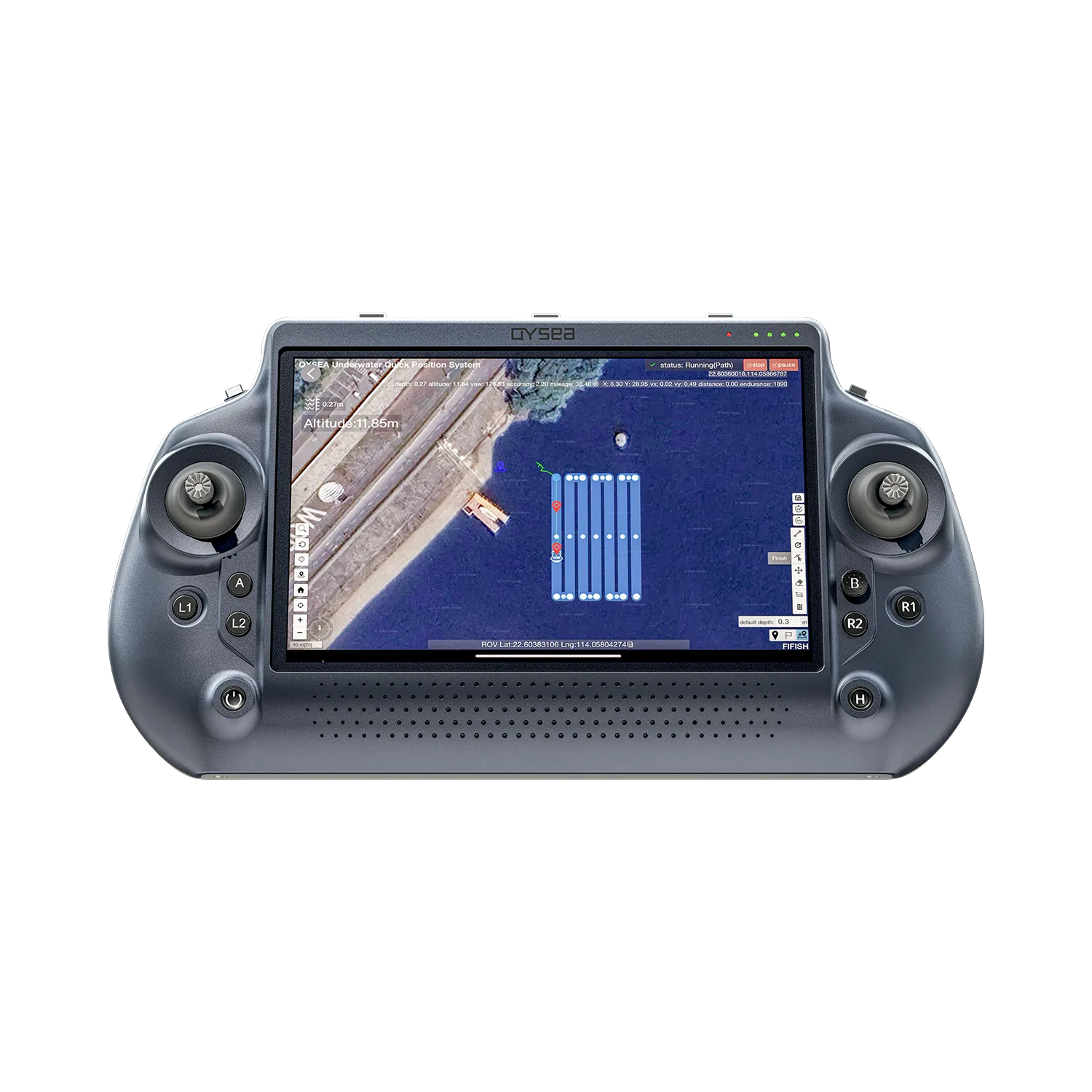
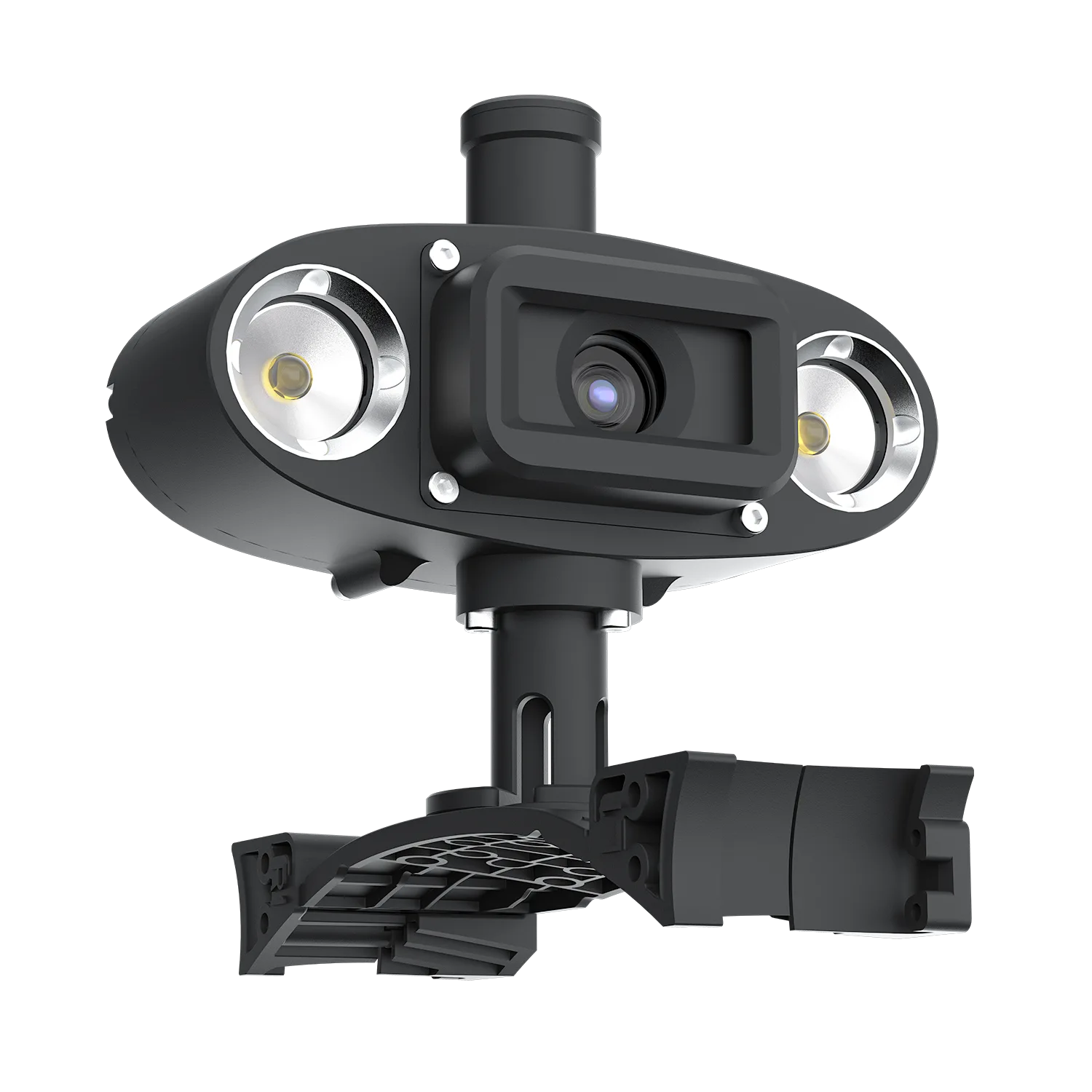
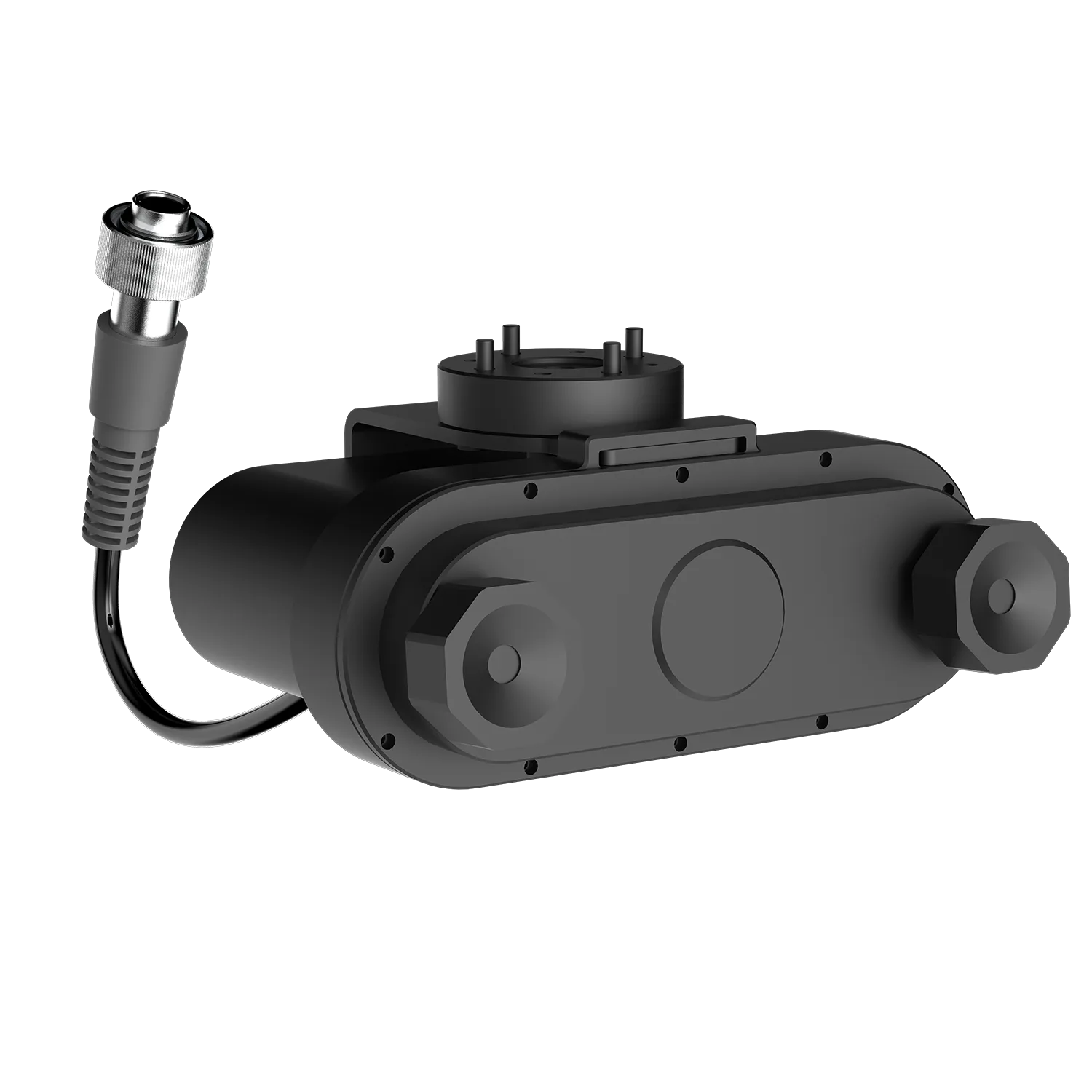
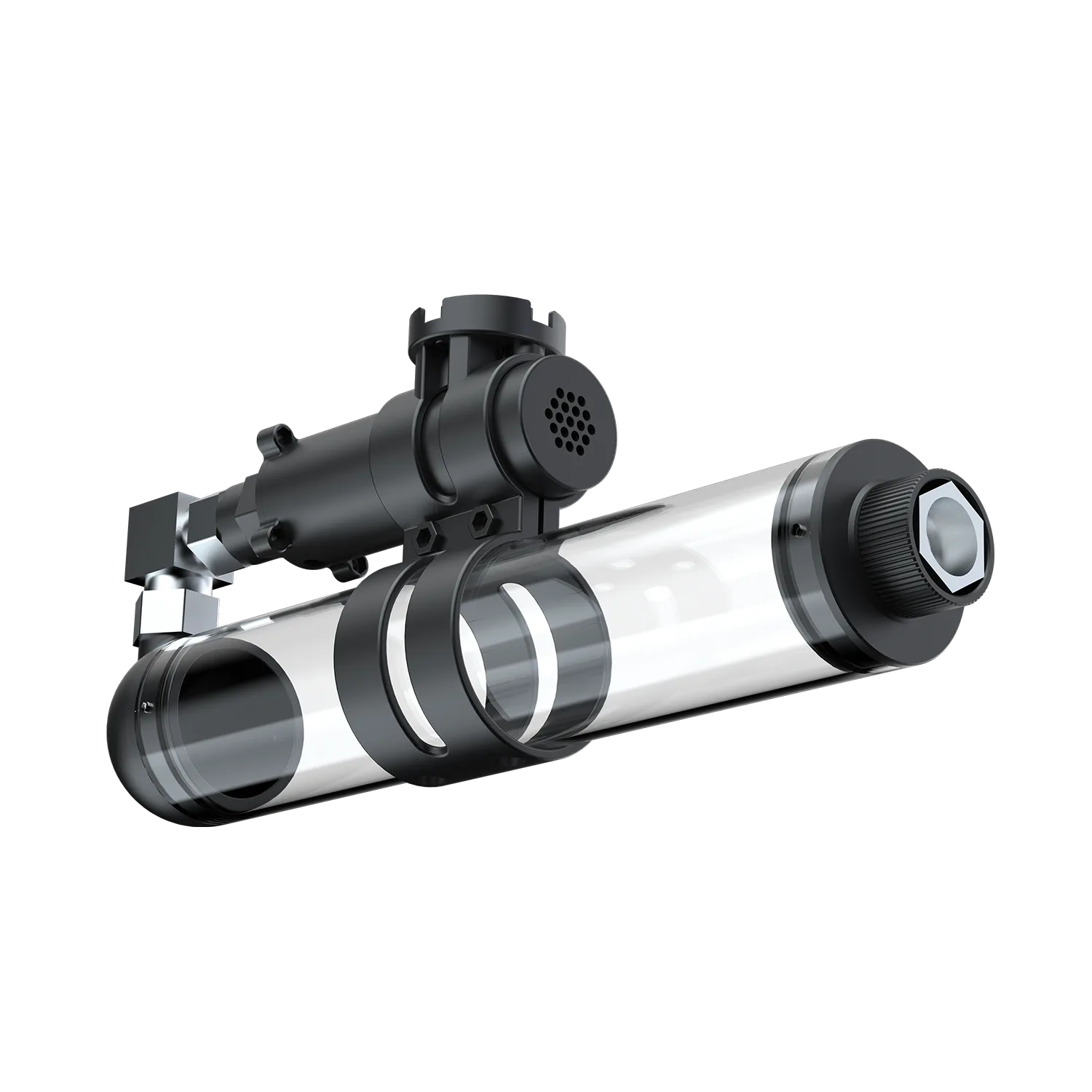
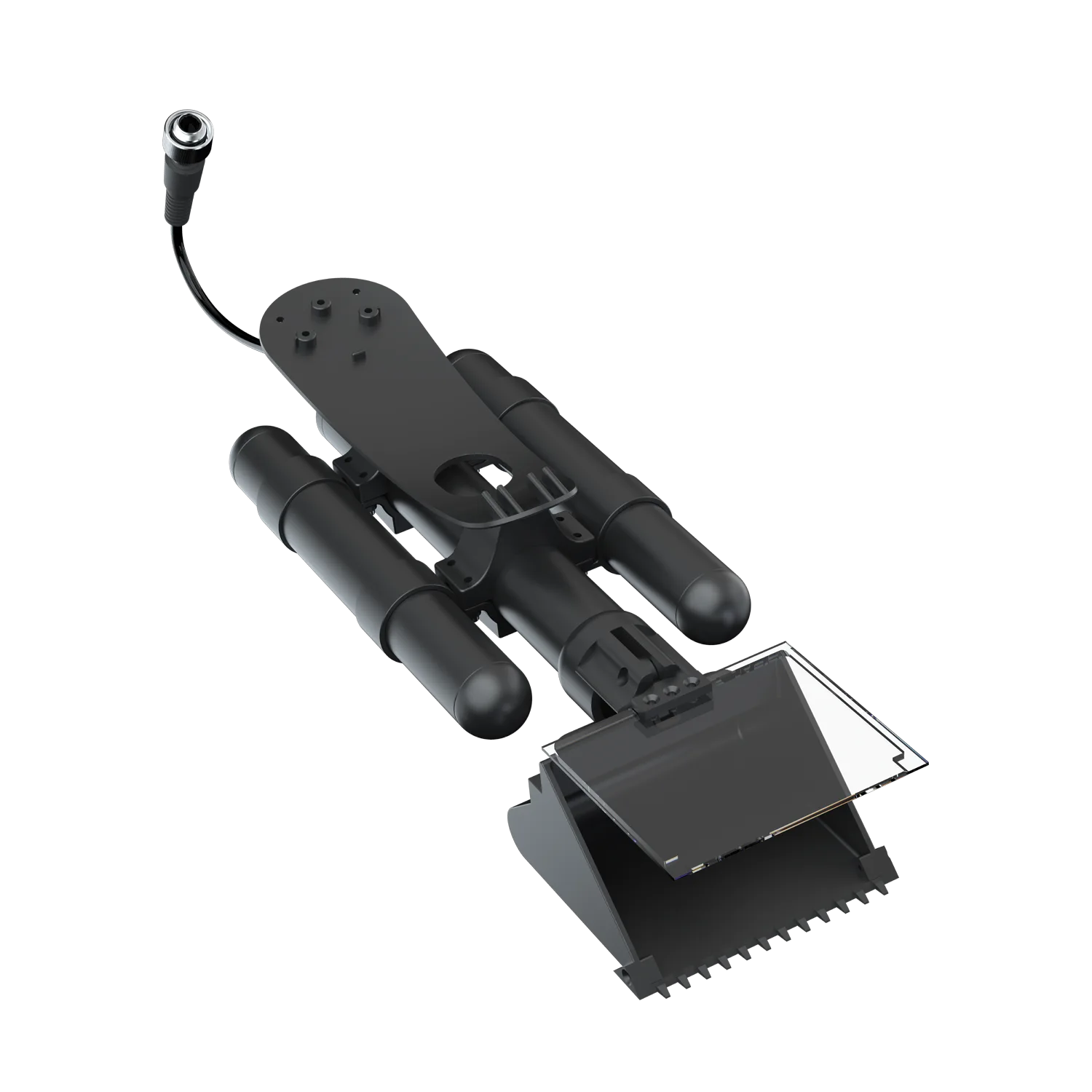
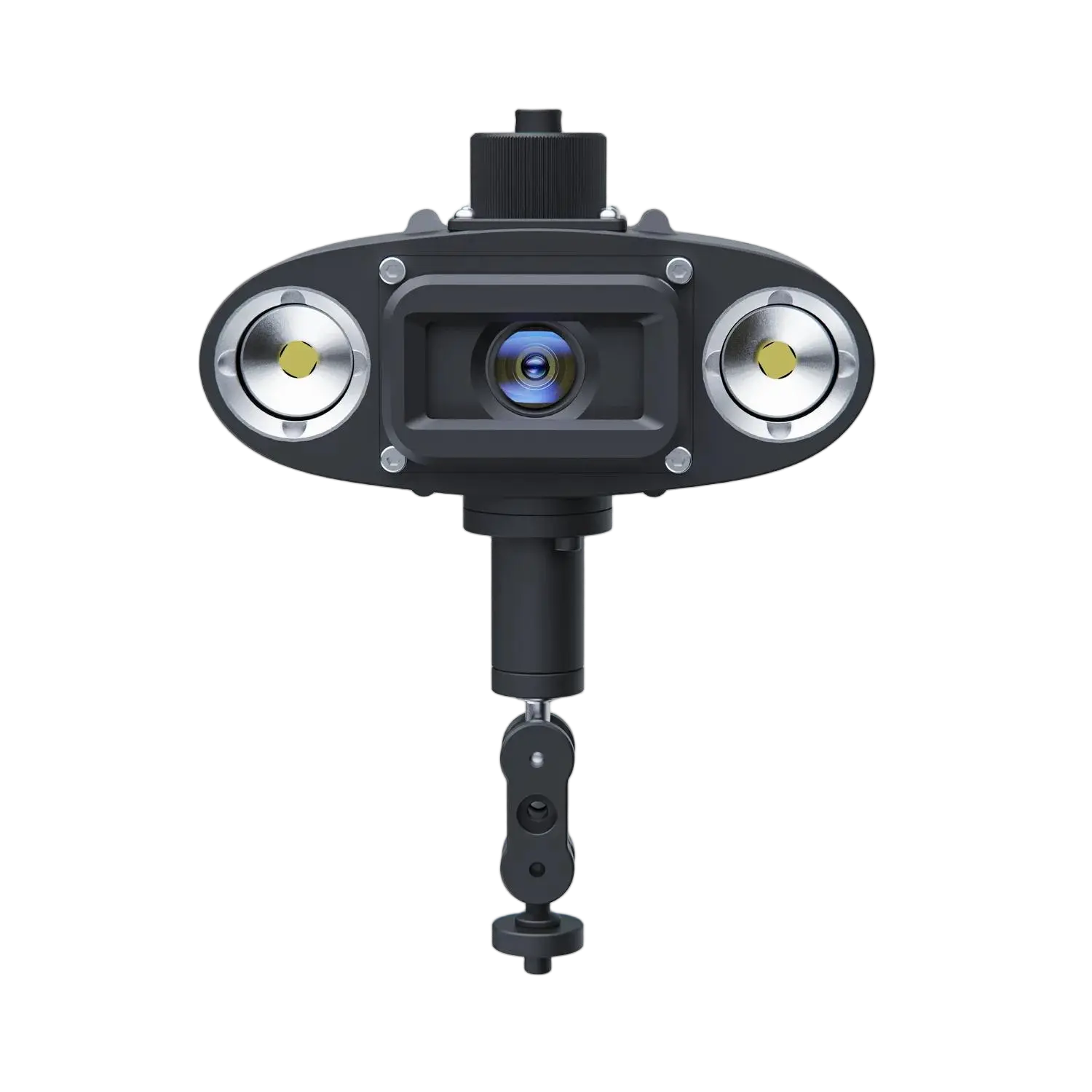


Underwater drones can be used for inspection, filming, search support, marine research, aquaculture observation, hull checks, and many other tasks where divers, larger systems, or repeated manual deployment may be inefficient, costly, or risky.
In simple terms: They help users see, document, and assess underwater environments with more flexibility and control.
For many buyers, the real question is not just what an underwater drone can do, but which kinds of jobs it is actually good at. Some tasks only need a compact visual platform with good image quality and easy handling. Others call for stronger stability, longer runtime, better workflow efficiency, or support for more advanced accessories.
This guide breaks down the most common underwater drone applications, explains what matters in each scenario, and helps you understand which type of platform may fit the work best.

What Is an Underwater Drone Used For?
An underwater drone, also called an underwater robot or compact ROV, is typically used to perform visual observation and task support below the surface. Depending on the platform and accessories, it may help with:
- underwater inspection
- ship hull and dock checks
- search and recovery support
- underwater filming and content creation
- aquaculture observation
- marine research and education
- light industrial assessment work
- recreational exploration
The best use cases usually involve one or more of these needs: seeing clearly underwater, reaching tighter spaces, reducing unnecessary diver exposure, improving documentation quality, or repeating visual checks more efficiently.
Common Underwater Drone Applications at a Glance
| Use Case | What the Drone Helps With | What Usually Matters Most | Good Starting Point |
|---|---|---|---|
| Underwater inspection | Close visual checks of structures, surfaces, and confined areas | Stable control, clear imaging, lighting | V-EVO for light inspection, E-GO for more advanced workflows |
| Hull and dock checks | Checking ship hulls, propellers, pilings, and moorings | Maneuverability, proximity control, visual coverage | V6 EXPERT or E-GO |
| Search and recovery support | Locating objects, assessing conditions, documenting findings | Controlled movement, visibility tools, accessory flexibility | V6 EXPERT or E-GO |
| Underwater filming | Capturing footage in lakes, pools, reefs, and nearshore waters | Image quality, smooth movement, portability | V-EVO |
| Aquaculture observation | Checking nets, cages, fish behavior, and infrastructure | Easy deployment, runtime, stable visuals | V6 EXPERT or E-GO |
| Marine research & education | Observation, documentation, repeatable fieldwork, sampling support | Modularity, workflow efficiency, accessory support | V6 EXPERT, E-GO |
| Light industrial assessment | Routine visual checks in tanks, reservoirs, pipelines, and confined structures | Reliability, lighting, control in tighter spaces | E-GO |
| Recreational exploration | Exploring underwater environments for learning or enjoyment | Ease of use, portability, camera quality | V-EVO |
1. Underwater Inspection
One of the most common uses for an underwater drone is inspection. This may include checking underwater structures, hard-to-reach surfaces, confined spaces, walls, intakes, tanks, pipes, bridge piers, seawalls, or other submerged assets.
In many of these situations, the first requirement is not heavy intervention. It is clear visual access, controlled movement, and reliable documentation. An underwater drone helps by giving operators a close visual view of the target area without sending a diver immediately. It can support early-stage assessment, routine checks, condition recording, and faster decision-making before a larger intervention is planned.
For this kind of work, the most important features are usually:
- stable movement near structures
- strong lighting for darker environments
- clear camera output for documentation
- controllability in tighter spaces
- accessory support for more advanced workflows
If the inspection task is routine, task-focused, and likely to expand over time, a more professional platform usually makes more sense than a simple observation tool. For this type of work, E-GO is often the more suitable starting point because it is better aligned with inspection efficiency, broader accessory support, and more mature field workflows.
2. Ship Hull and Dock Checks
Underwater drones are also widely used for ship hull, dock, and mooring inspection. Typical tasks include checking hull condition, looking for damage or fouling, inspecting propellers and rudders, reviewing dock structures, and examining areas around pilings, ropes, chains, or underwater hardware.
This is a practical use case because many of these tasks require controlled close-range navigation around vertical and irregular surfaces. Operators often need to hold position near the inspection target, move precisely around edges, and record visuals that can be reviewed later.
What matters most here is usually not raw speed. It is:
- precise maneuverability
- confidence when operating close to structures
- stable visuals for condition review
- enough lighting for shaded or low-visibility areas
- good workflow efficiency for repeated checks
For lighter or entry-level field tasks, V6 EXPERT can be a practical starting point. For teams that need stronger inspection efficiency, modularity, and a more scalable workflow, E-GO is usually the better long-term fit.
3. Search and Recovery Support
Another important application is underwater search and recovery support. This may involve locating lost objects, checking underwater conditions before a recovery attempt, searching target zones with visual confirmation, or assisting teams in understanding the scene before divers or other equipment move in.
It is important to describe this use case accurately. An underwater drone is not a universal replacement for a full search and rescue system. What it does well is help teams search visually, assess conditions, narrow down areas of interest, and improve situational awareness.
This can be especially useful when operators need to:
- inspect submerged areas safely before human entry
- look for objects in a defined zone
- document the underwater scene
- support follow-up operations with better visibility
Depending on water clarity and workflow complexity, accessory support may become important. In more advanced scenarios, users may need navigation tools, sonar, retrieval accessories, or measurement support in addition to a camera. For users approaching this as a broader utility workflow, V6 EXPERT can make sense as a practical working platform. If the task requires a more expandable and professional setup, E-GO is usually the more capable direction.
4. Underwater Filming and Content Creation
Underwater drones are also popular for filming, photography, and content creation. This includes shooting footage in pools, lakes, reefs, shallow coastal environments, resorts, marine tourism settings, and creator-led production work.
Compared with heavier industrial systems, compact underwater drones are often much easier to deploy, transport, and operate for this kind of use. For filming, the priority is usually a combination of:
- image quality
- smooth motion
- easy setup
- portability
- user-friendly operation
This is one of the clearest cases where a smaller platform can be the right answer. A large or highly specialized inspection system may offer more workflow depth, but it can also introduce unnecessary complexity for users whose main priority is visual content.
That is why many creators, resorts, educators, and light commercial users prefer a compact underwater drone that is easy to carry and quick to launch. For these use cases, V-EVO is often the most natural starting point. It can also make sense for lighter inspection tasks where portability, visual clarity, and easier deployment matter more than a heavier-duty professional workflow.
5. Aquaculture Observation
Aquaculture is another strong use case for underwater drones. Operators may use them to observe cages and nets, check fish behavior, inspect underwater sections of farm infrastructure, review mooring conditions, or document underwater conditions more efficiently during routine operations.
The advantage here is not only seeing underwater. It is being able to do so more regularly, with less friction, and with clearer records than occasional manual checks alone. For aquaculture users, the most relevant priorities often include:
- easy deployment for frequent use
- stable visuals near nets and structures
- enough runtime for practical field sessions
- simple operation for repeated day-to-day tasks
- the option to scale up if workflows become more demanding
If the priority is straightforward operational support with stronger task capability than an entry-level platform, V6 EXPERT is often a reasonable place to begin. If the workflow is more inspection-oriented or likely to expand, E-GO may be the better fit.
6. Marine Research and Education
Underwater drones are increasingly used in marine research, education, and academic fieldwork. They can help document marine environments, observe habitats, support non-invasive underwater study, capture teaching material, and improve field access for teams that do not want every observation task to depend on diving operations.
In research settings, a drone can be useful because it brings repeatability and documentation into everyday work. It can help teams revisit the same site, record comparable footage, demonstrate underwater conditions to a wider audience, and support project-based observation with less logistical burden.
What matters most in this context often includes:
- documentation quality
- repeatable operation
- portability for field deployment
- accessory compatibility for specific research needs
- a platform that matches the team’s actual technical depth
For lighter research, outreach, and education work, a platform that is easy to carry and operate may be enough. For more demanding technical fieldwork, broader accessory support and a more mature workflow become more important. In many cases, teams compare V6 EXPERT and E-GO depending on how advanced the work is.
7. Light Industrial and Confined-Space Assessment
Underwater drones can also be useful in light industrial assessment work, especially where teams need a visual first look inside underwater or partially submerged structures. Examples may include water tanks, reservoirs, intakes, confined underwater spaces, smaller utility structures, and other environments where access is limited and a quick visual review can save time.
The main value here is speed and access. Instead of preparing for a heavier operation immediately, teams can use an underwater drone to check visibility, confirm general conditions, identify obvious anomalies, and decide what should happen next. For these tasks, operators usually care about:
- reliable visuals in darker environments
- maneuverability in tighter spaces
- practical deployment workflow
- enough control to inspect surfaces and corners closely
In this type of workflow, a more inspection-oriented platform is usually the better match. E-GO is often more suitable here than a filming-first or recreational-first platform.
8. Recreational Exploration and Learning
Not every underwater drone application is industrial. Many people use underwater drones for exploration, travel, learning, and personal discovery. They may want to explore local lakes, reefs, harbors, coastal waters, or dive sites in a more visual and interactive way.
For these users, the appeal is simple: underwater drones open a view that most people otherwise do not get to experience easily. In this category, the most important qualities are usually:
- ease of use
- portability
- clear live view
- enjoyable camera performance
- low setup friction
This use case should not be dismissed. It introduces many new users to the category and often becomes the starting point for deeper filming, education, or light inspection interest later on. For this type of experience, V-EVO is often the most accessible fit.
What Features Matter Most by Use Case?
Different applications call for different priorities, but a few features come up again and again.
Camera clarity
If the task involves documentation, reporting, content creation, or visual review, image quality matters immediately.
Lighting
Many underwater environments lose detail quickly without enough light. Inspection and confined-space work especially depend on usable illumination.
Maneuverability
Close-range work near structures, nets, hulls, or tighter spaces depends on precise movement.
Stability
In practical operations, it is not enough to reach the target. The drone also needs to stay controlled near the target long enough to do useful work.
Runtime and workflow efficiency
Frequent deployment, longer sessions, or repeated checks place more value on battery practicality and operating efficiency.
Accessory support
Some jobs remain visual-only. Others expand into measurement, retrieval, sampling, or more advanced inspection workflows. That is where accessory compatibility becomes much more important.
Do You Need a Compact Underwater Drone or a More Advanced ROV?
This is one of the most important buying questions.
A compact underwater drone is often the right choice when the main priorities are portability, fast deployment, filming, observation, and lighter visual tasks.
A more advanced professional ROV platform makes more sense when the work depends on stronger inspection efficiency, broader task support, all-day field workflow, or expansion into navigation, measurement, or other accessories. A larger commercial system may be necessary when the mission involves heavy intervention, highly demanding environmental conditions, or a workflow that exceeds what a portable platform is designed to handle.
If your application is already moving into heavier-duty professional work, it may also be worth looking beyond the online store range and reviewing more advanced systems on the QYSEA official website. This is especially relevant for offshore applications such as oil and gas inspection, offshore structure checks, and wind farm foundation or pile inspection, where workflow demands, operating conditions, and inspection expectations can be much higher. For users evaluating stronger inspection capability, larger-scale workflows, or more demanding offshore operations, FIFISH W6 NAVI and FIFISH X1 may be relevant next-step options to compare.
The correct choice depends less on marketing labels and more on the actual job:
- How often will the system be used?
- Is the job mainly visual, or task-oriented?
- Does the work need simple observation, or repeatable professional workflow?
- Will accessories matter later?
- Is portability a major factor?
If those questions are leading you toward a more advanced class of system, especially for offshore applications in sectors like oil and gas or wind farm inspection, visit the QYSEA official website to explore FIFISH W6 NAVI and FIFISH X1 in more detail.
Which QYSEA Platform May Fit the Job?
A simple way to narrow it down is to match the platform to the work style.
Choose V-EVO if:
- the priority is filming, light inspection, exploration, and easy deployment
- portability matters a lot
- the user wants a more approachable platform for visual tasks, content creation, and lighter inspection work
Choose V6 EXPERT if:
- the work is moving beyond observation alone
- the user needs broader utility capability for field tasks
- the workflow includes more regular operational use, not just casual exploration
Choose E-GO if:
- inspection efficiency matters more than casual portability
- the job may expand into more professional workflows
- accessory compatibility, modularity, and stronger task support are important
If the goal is filming, basic observation, or lighter inspection work, buying too much system can create unnecessary complexity. If the goal is regular inspection work with broader workflow demands, buying too little system can create friction very quickly.
Where to Go Next
If this guide matches the kind of work you are planning, the next step is usually to compare platforms by mission type rather than by specs alone.
- Interested in underwater filming, light inspection, exploration, and creator-friendly portability? Start with V-EVO.
- Looking for broader field utility and a more work-oriented platform? Explore V6 EXPERT.
- Need a platform better suited to professional inspection workflows? Compare the E-GO series.
Final Thoughts
So, what can underwater drones be used for?
They can be used for a surprisingly wide range of real-world jobs: visual inspection, hull checks, search support, filming, aquaculture observation, marine research, confined-space assessment, and recreational exploration.
But the better question is this: which underwater drone is suitable for the job you actually need to do?
That is where platform type, accessory support, workflow depth, and ease of deployment start to matter. If you are comparing options, focus on the mission first. The best underwater drone is not simply the one with the longest feature list. It is the one that fits the task, the operating environment, and the level of workflow your team truly needs.
Frequently Asked Questions
What is an underwater drone used for?
An underwater drone is mainly used for underwater observation, documentation, inspection support, filming, and other visual tasks below the surface. Depending on the platform, it may also support workflows such as search operations, aquaculture checks, research observation, and light industrial assessment.
Can underwater drones be used for inspection?
Yes. Underwater drones are commonly used for visual inspection of structures, hulls, docks, tanks, pipes, and other submerged assets. They are especially useful when teams need a close visual review before sending divers or planning a larger intervention.
Are underwater drones useful for filming?
Yes. Many underwater drones are well suited to filming and content creation because they combine underwater mobility, live viewing, and camera performance in a portable platform. For this use case, portability and smooth control are often just as important as image quality.
Can an underwater drone replace a diver?
Not in every situation. An underwater drone can reduce unnecessary diver exposure and help with visual assessment, documentation, and early-stage review. However, some jobs still require divers or larger commercial systems, especially when physical intervention or demanding conditions are involved.
Which QYSEA underwater drone is best for filming, exploration, and light inspection?
For users whose main priorities are portability, visual content, easier deployment, and lighter inspection capability, V-EVO is often the most natural starting point.
Which QYSEA platform is better for utility work and field tasks?
If the work is moving beyond observation alone and starting to involve broader utility workflows, V6 EXPERT is often a better fit.
Which QYSEA platform is better for professional inspection workflows?
For users who need stronger inspection efficiency, better scalability, and more professional workflow support, E-GO is often the better direction.
What should I look for in an underwater drone for professional work?
For professional work, look beyond camera specs alone. Evaluate control stability, lighting, workflow efficiency, accessory support, portability, runtime, and how well the system matches the actual task requirements.


Leave a comment
This site is protected by hCaptcha and the hCaptcha Privacy Policy and Terms of Service apply.