

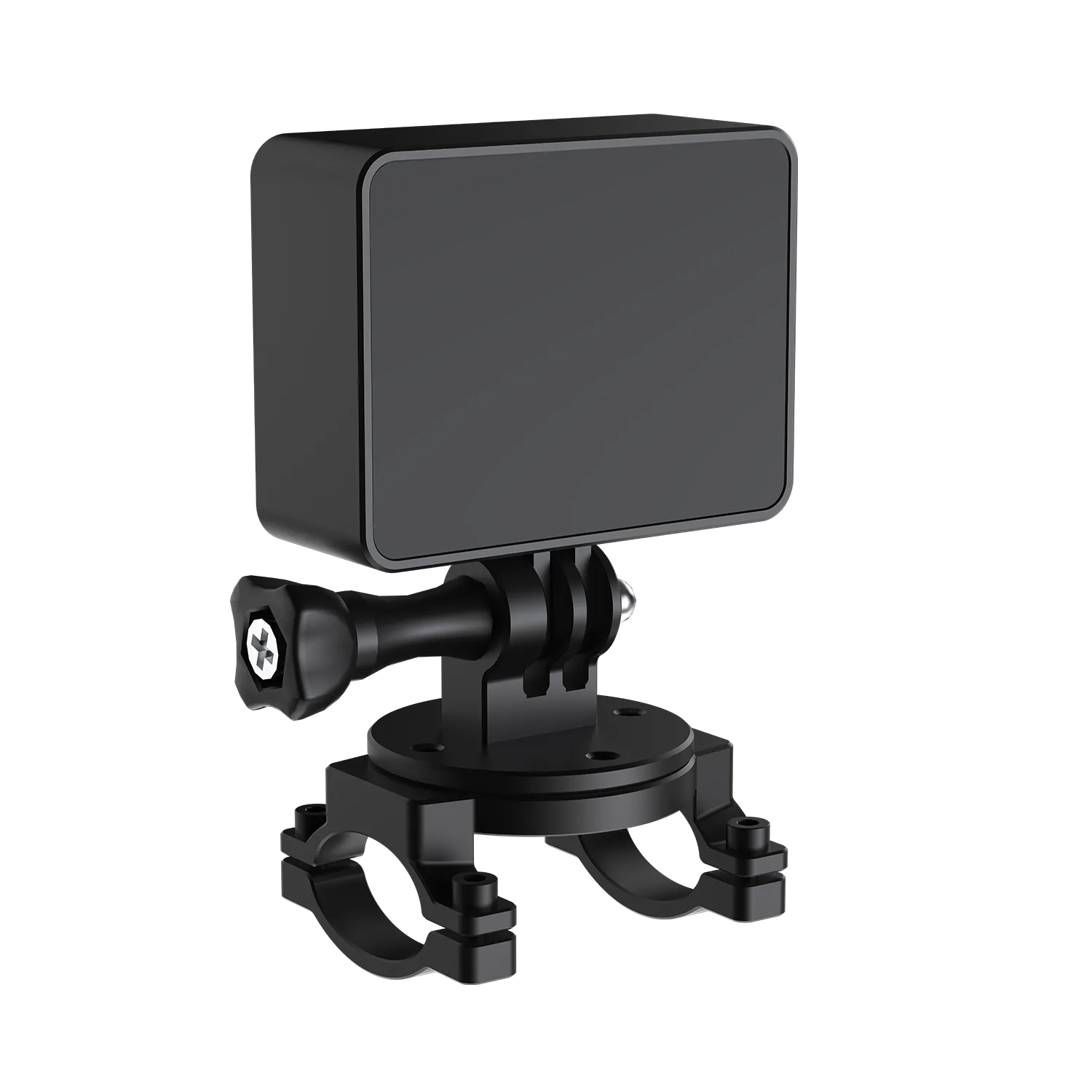
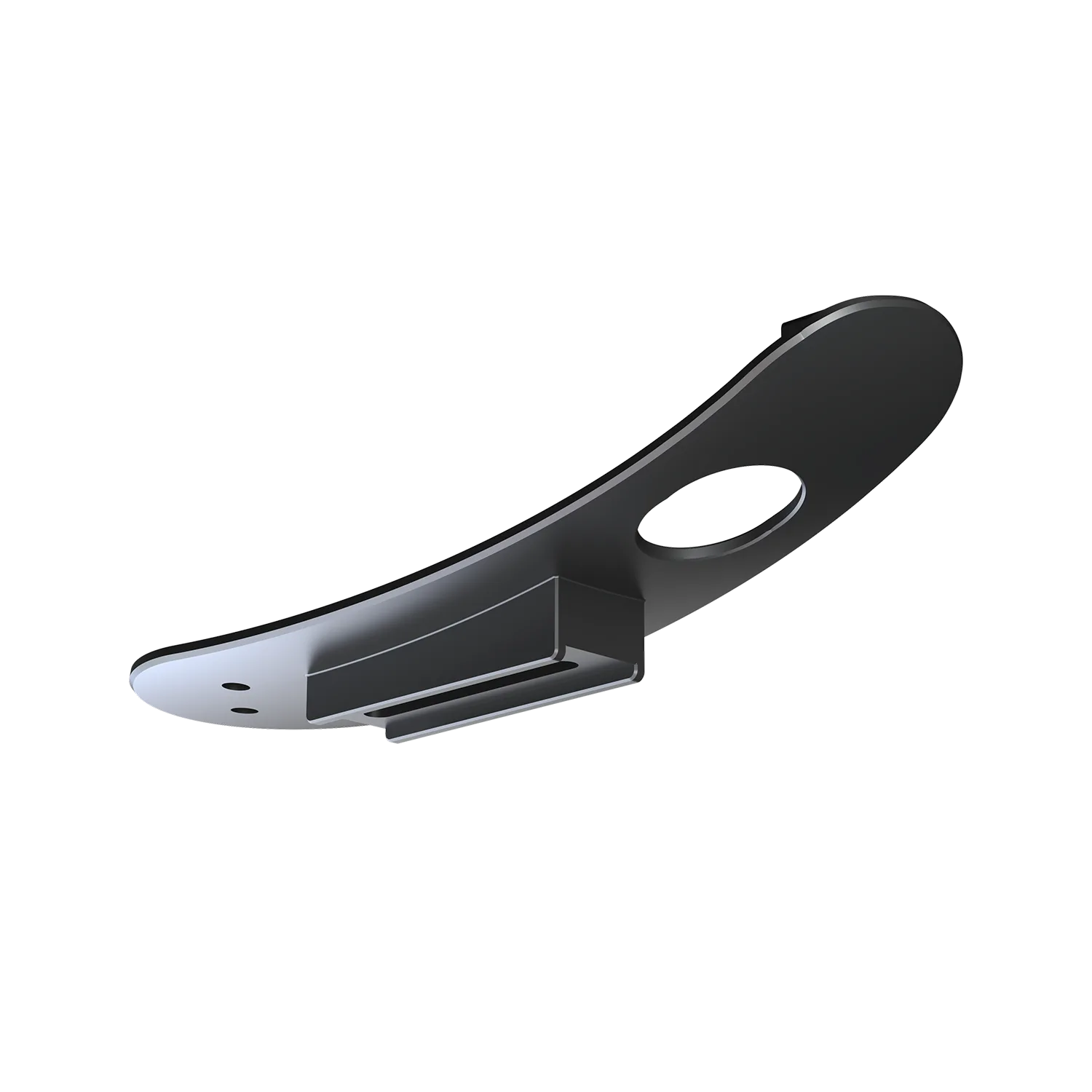
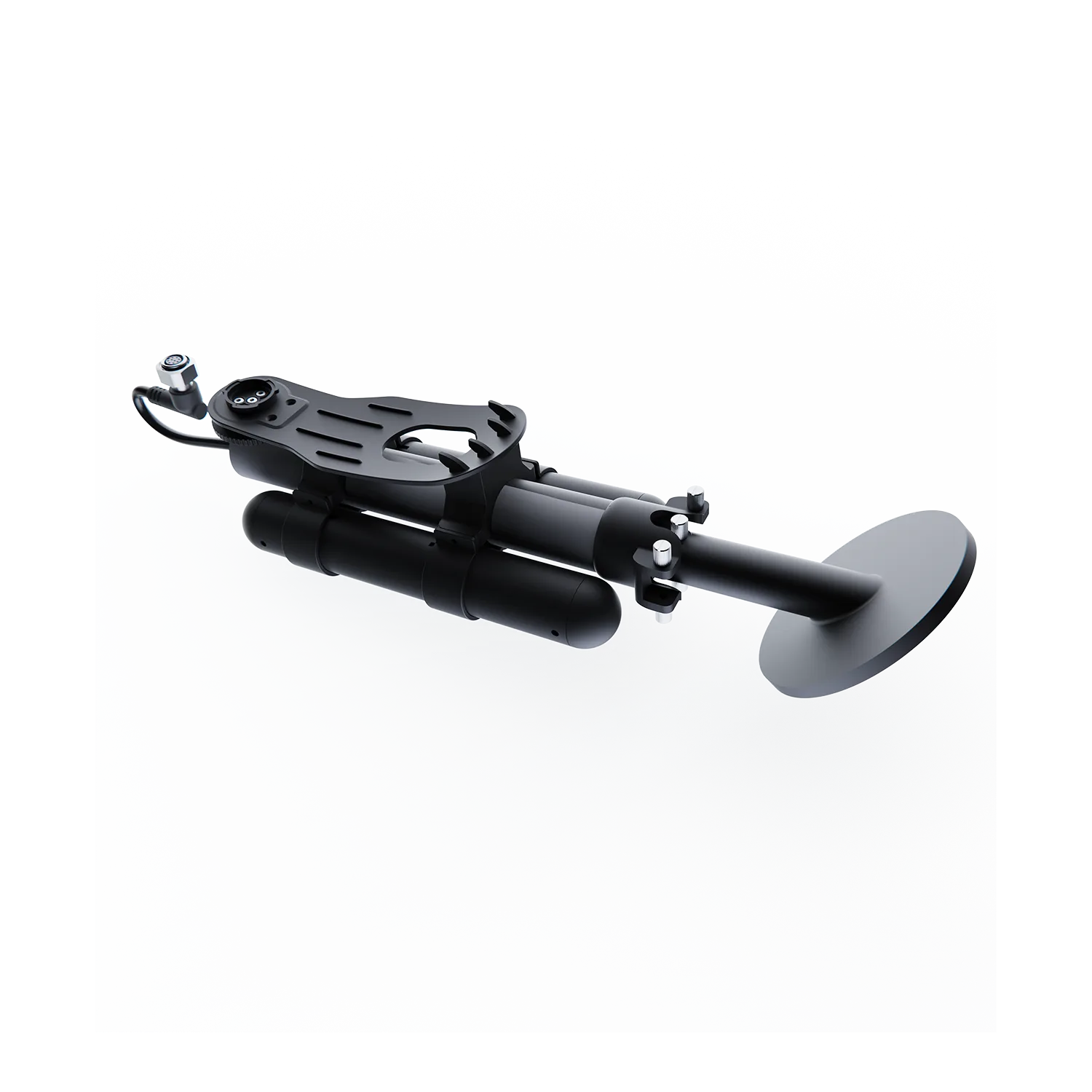
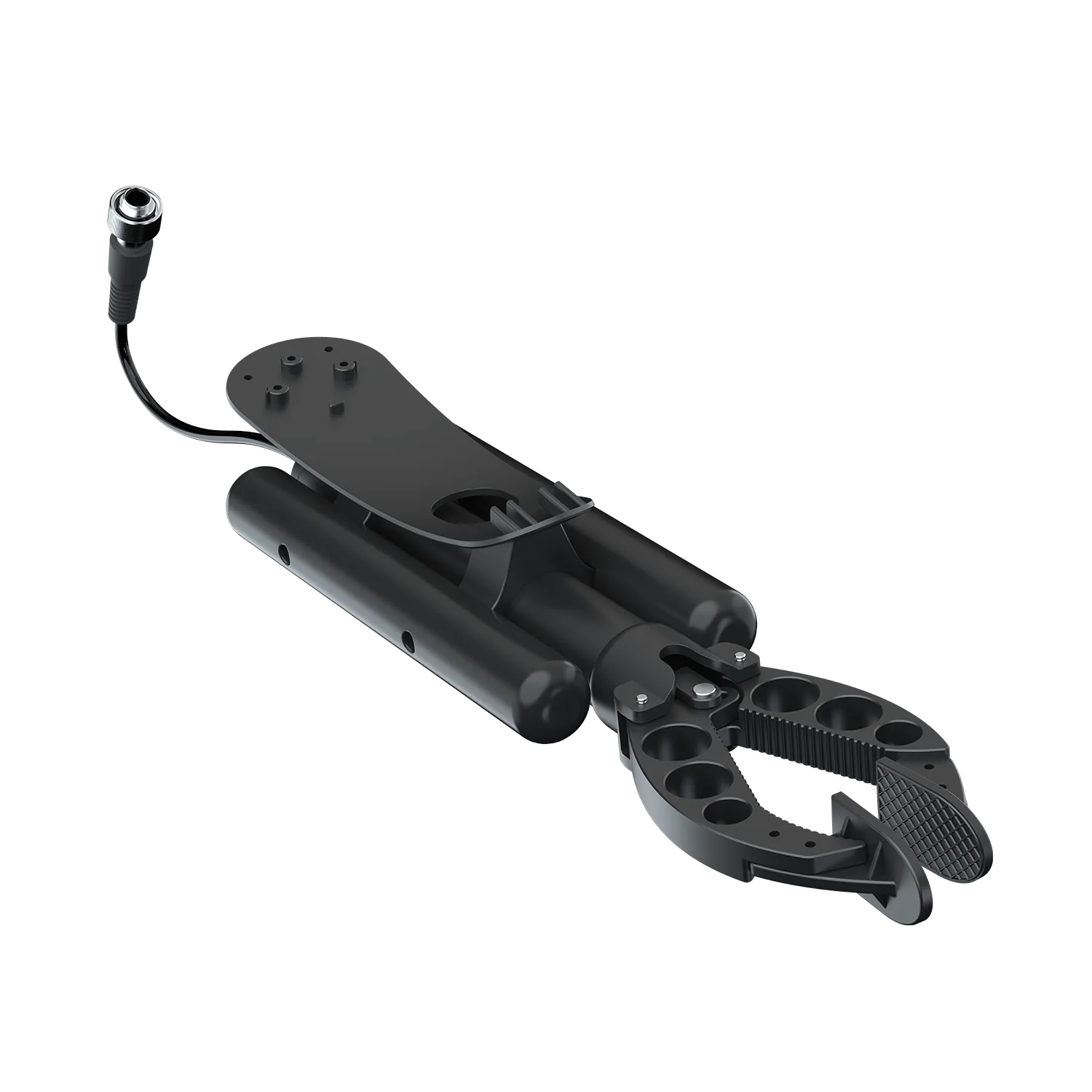
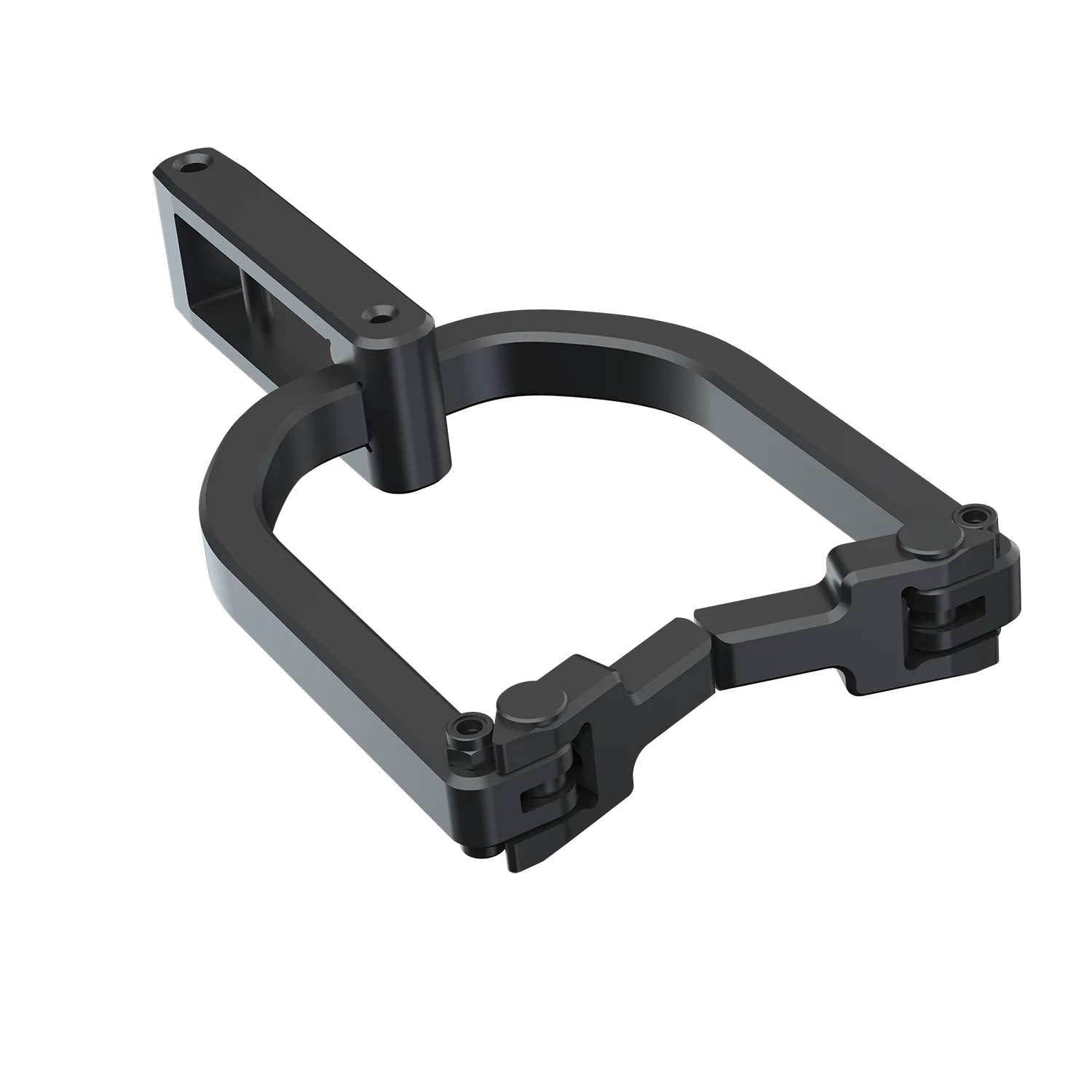
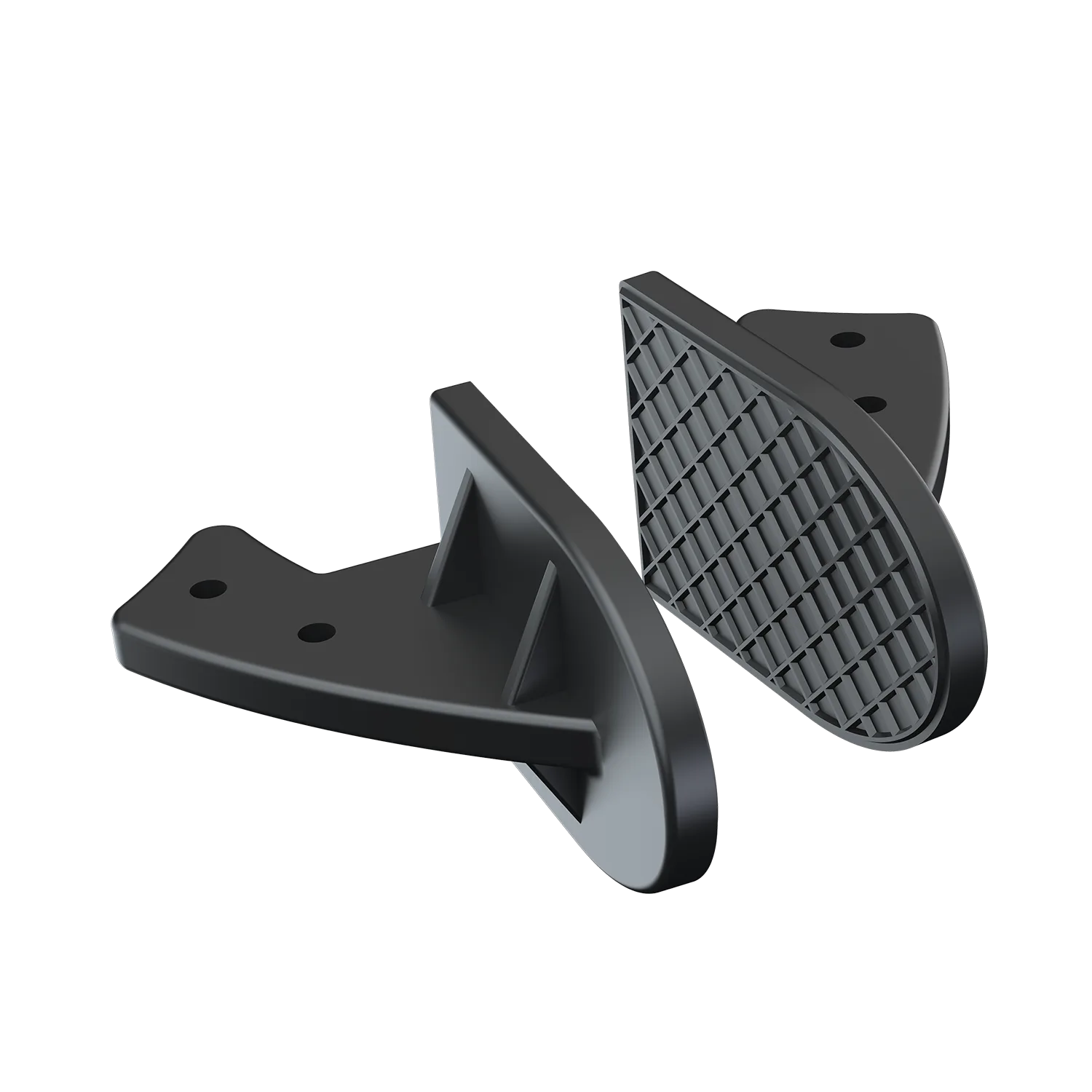
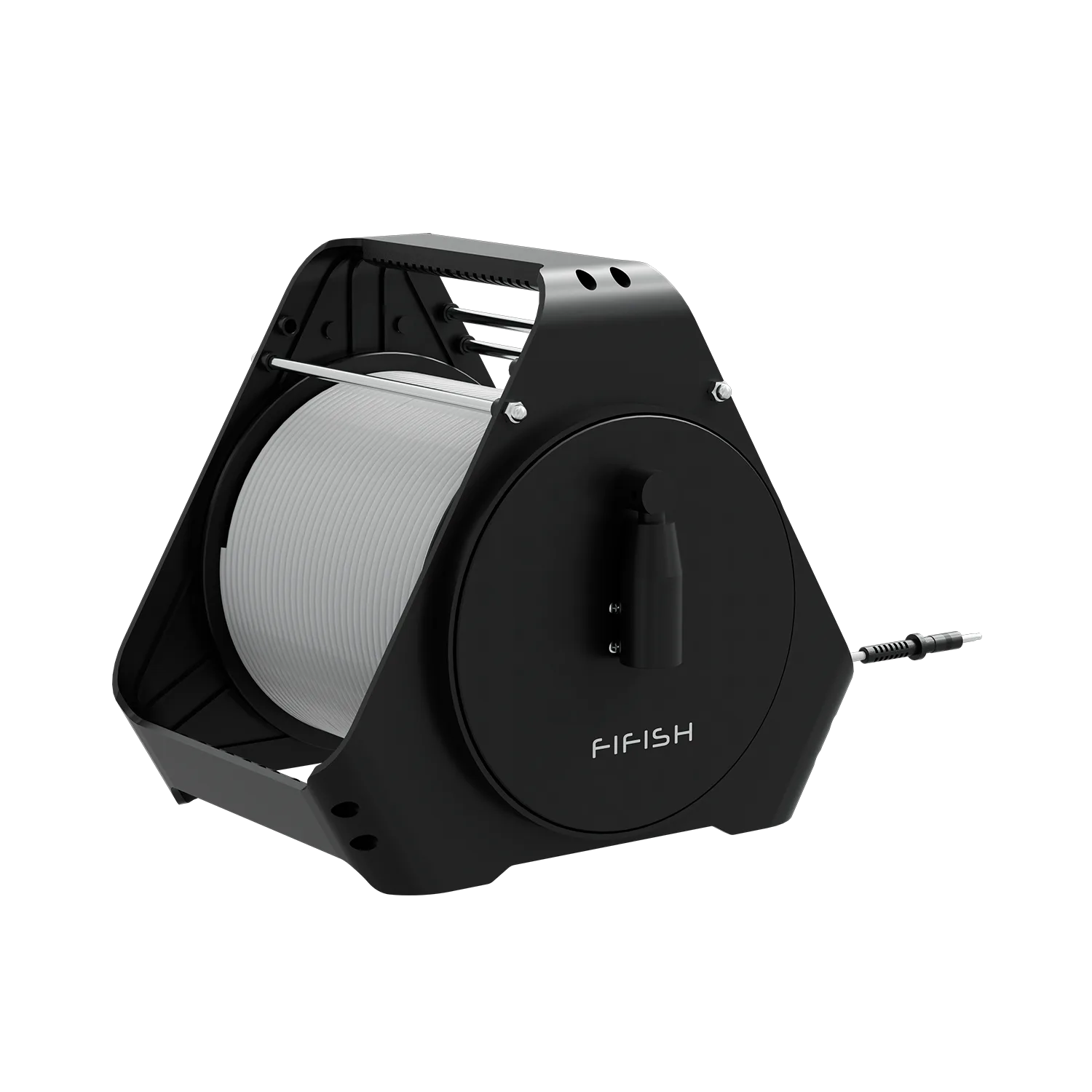
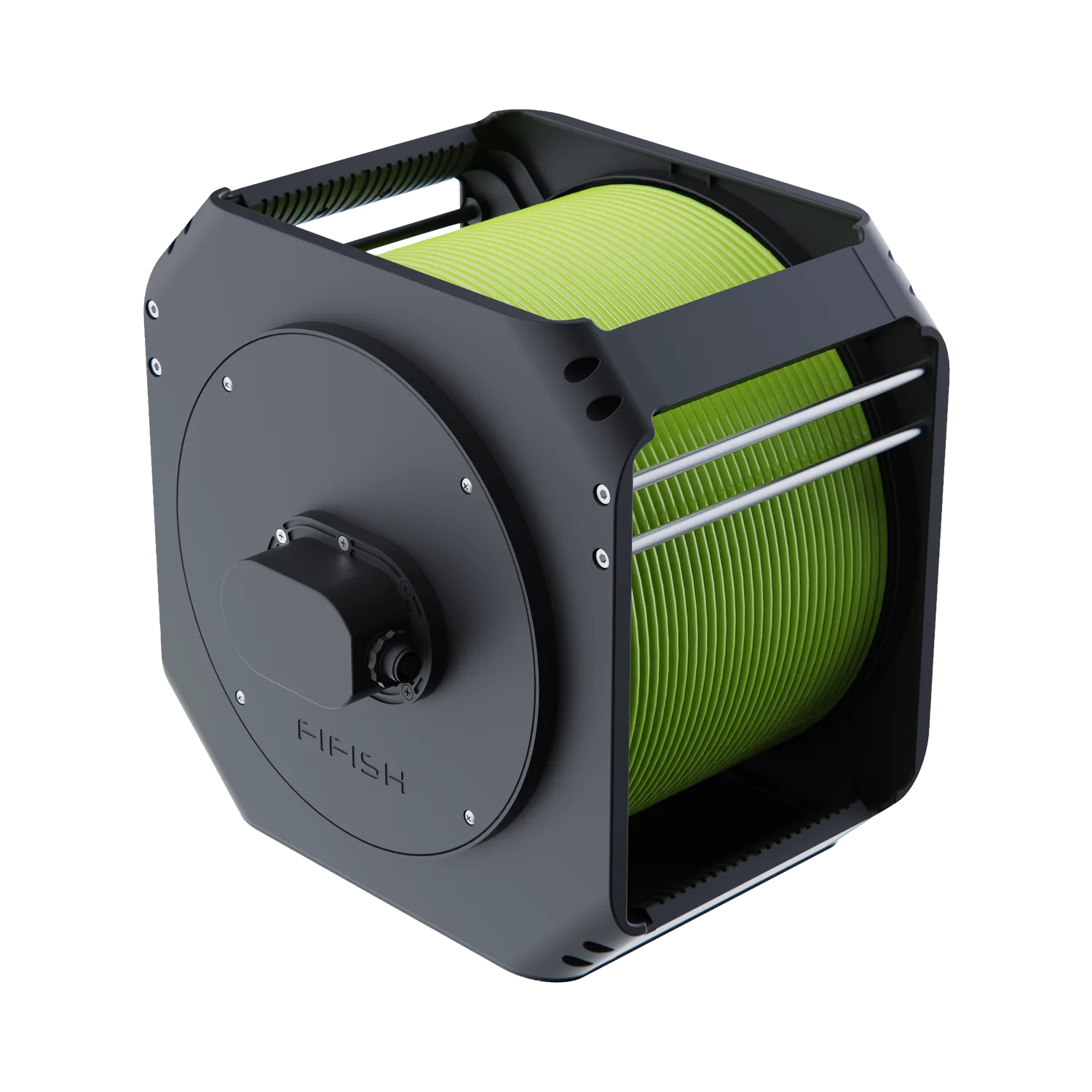
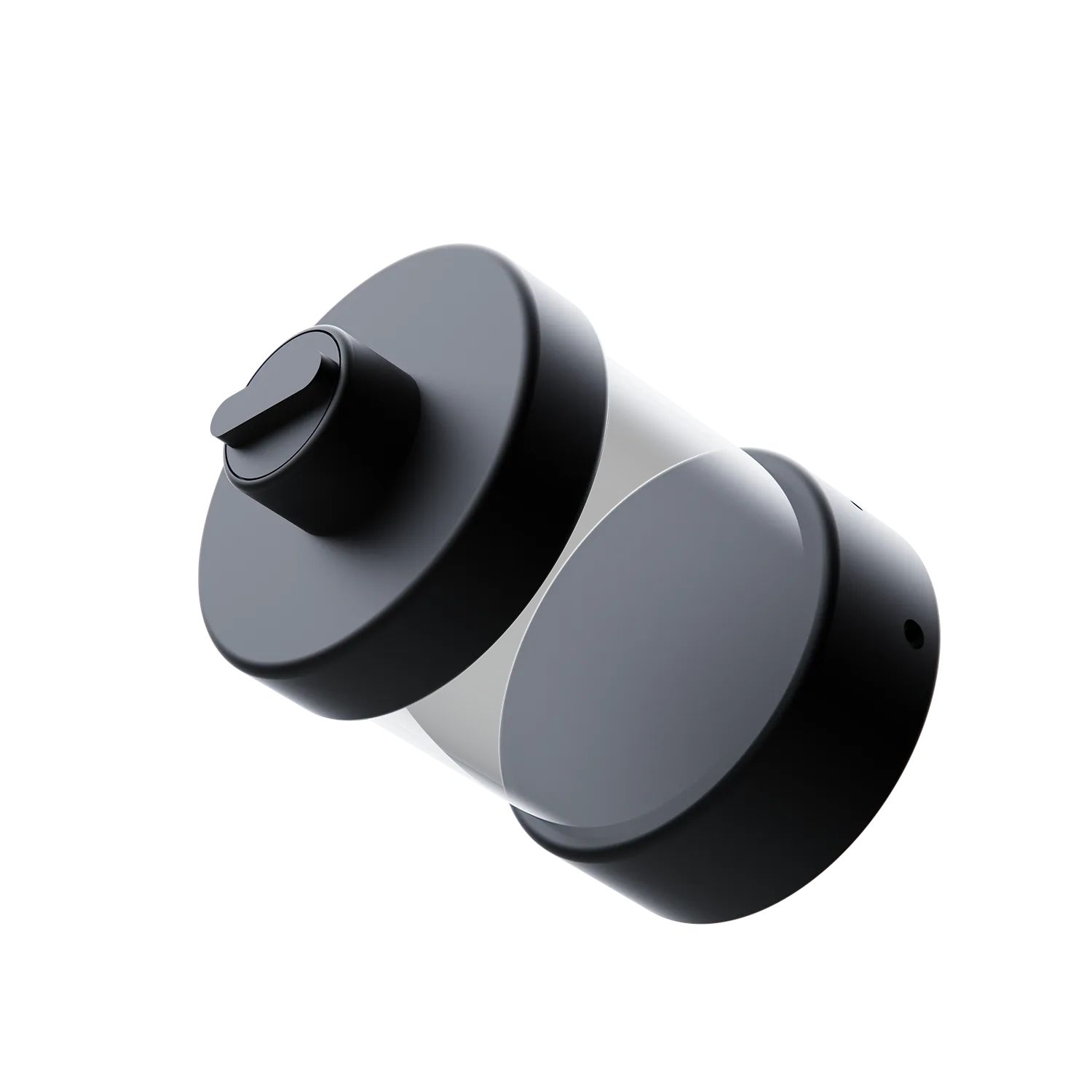
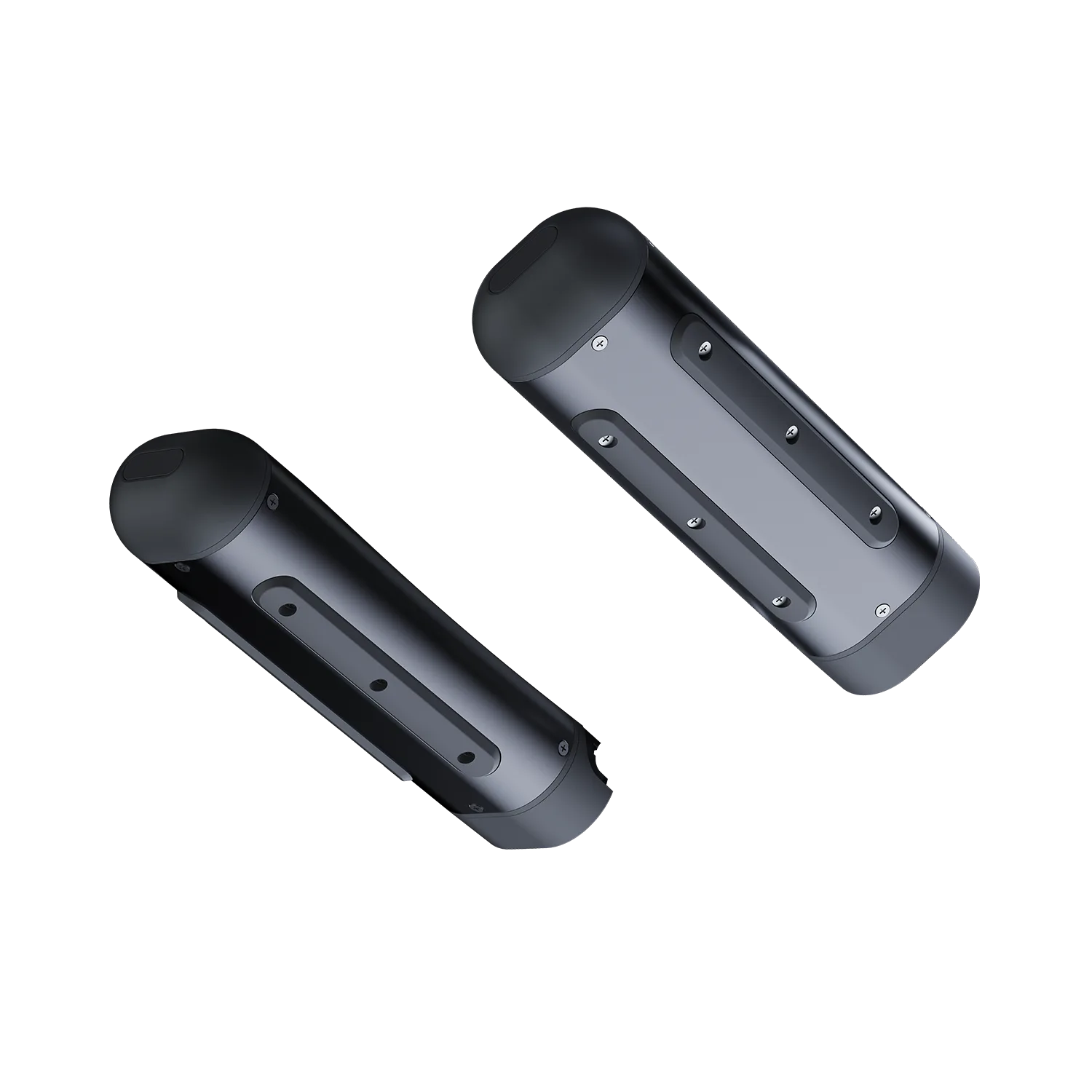
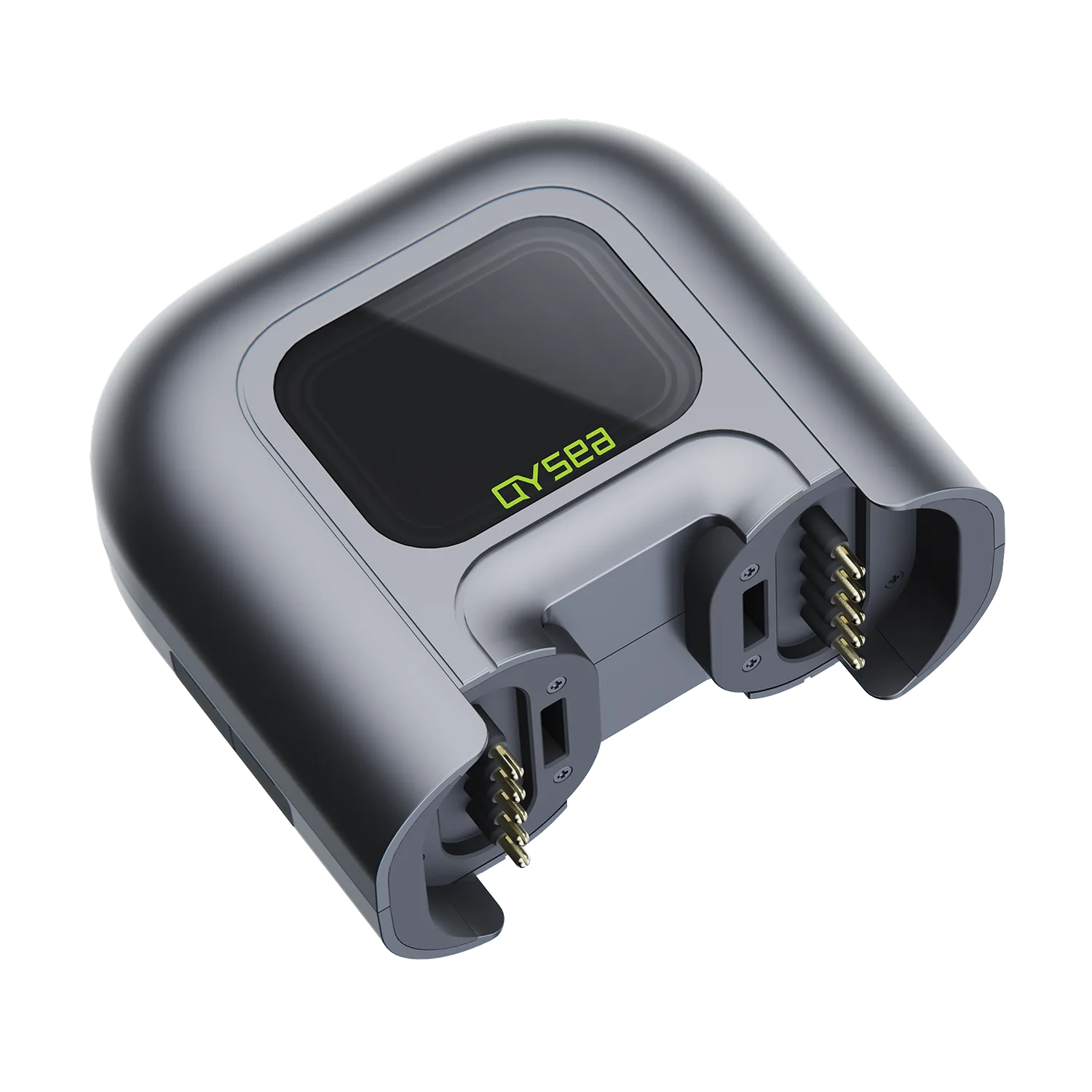


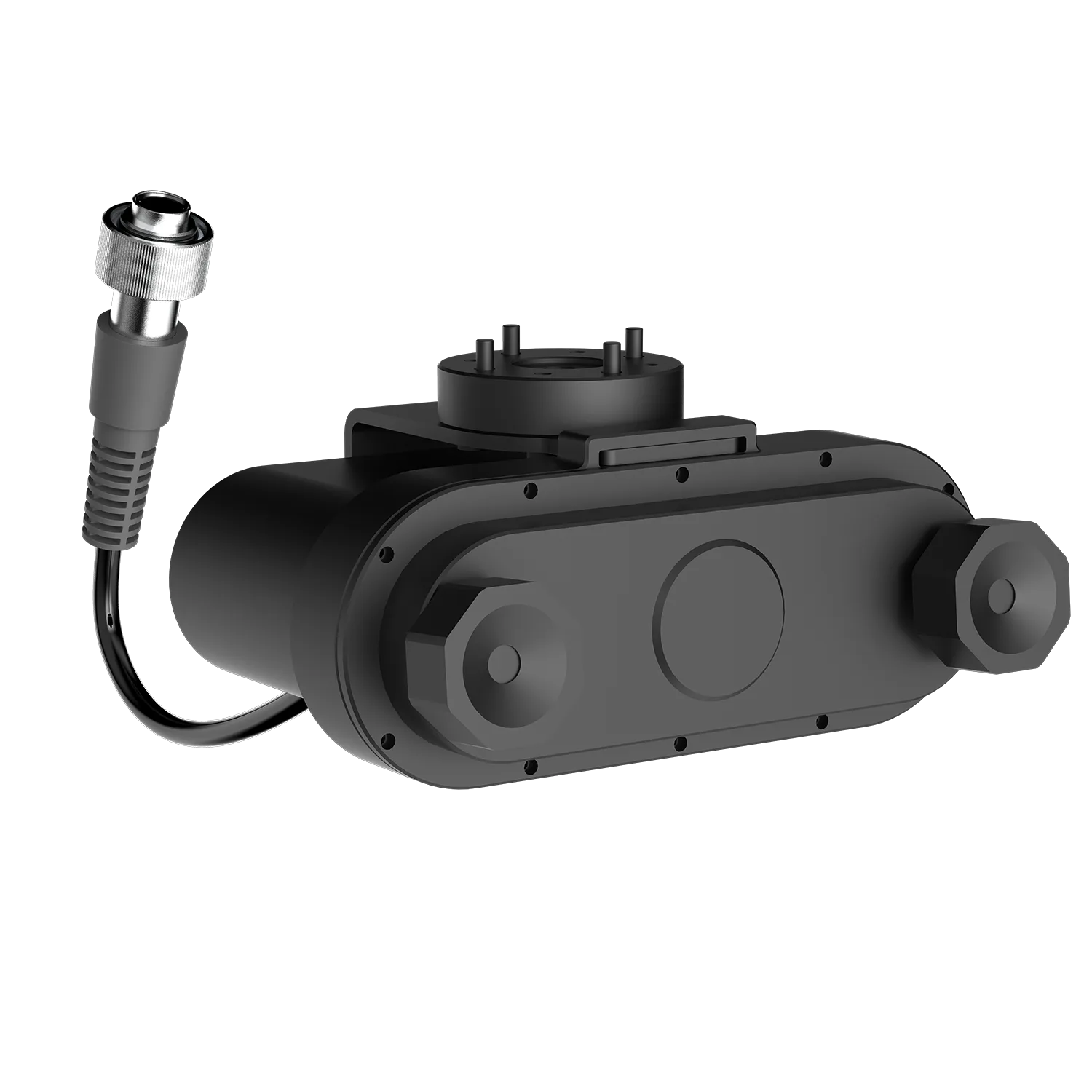
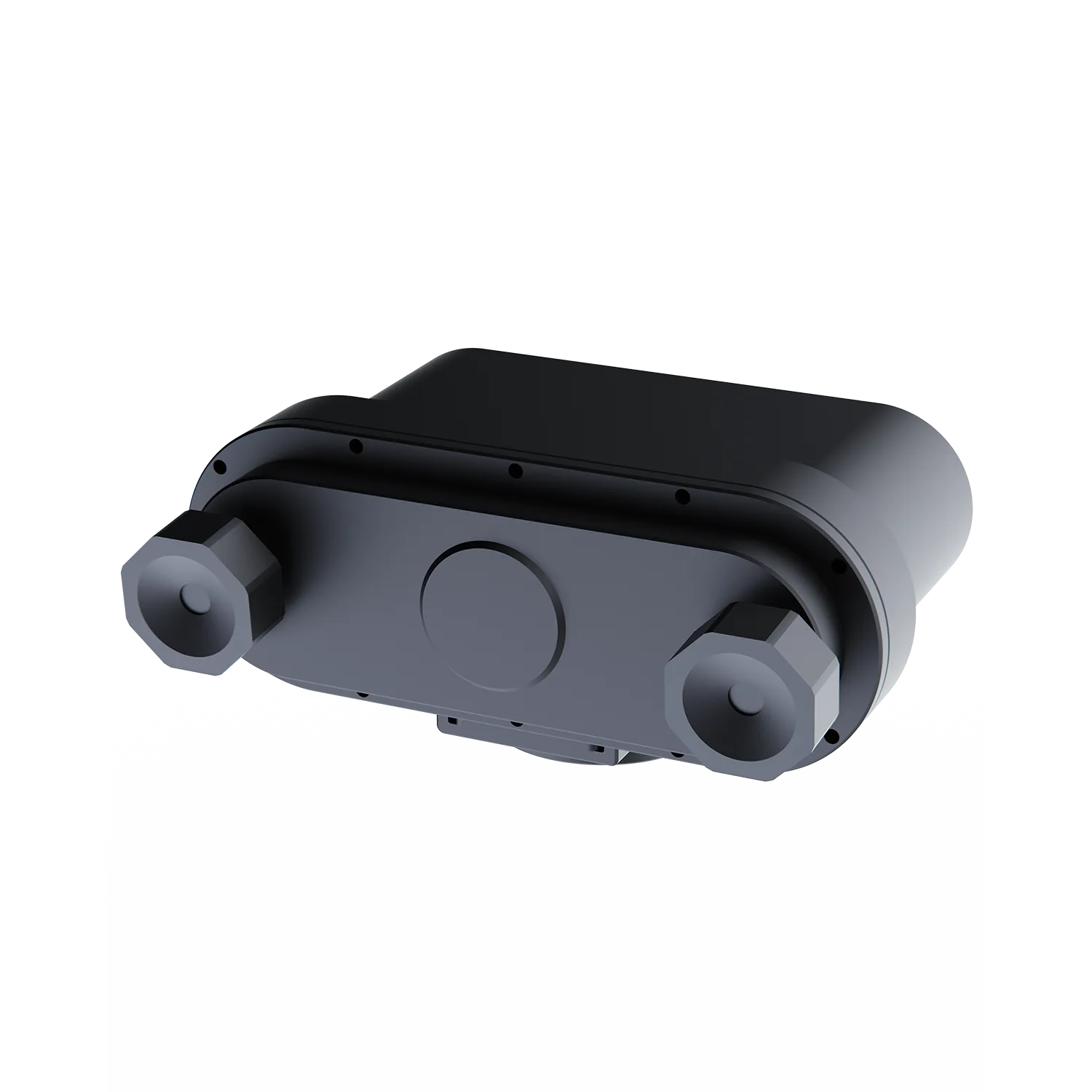
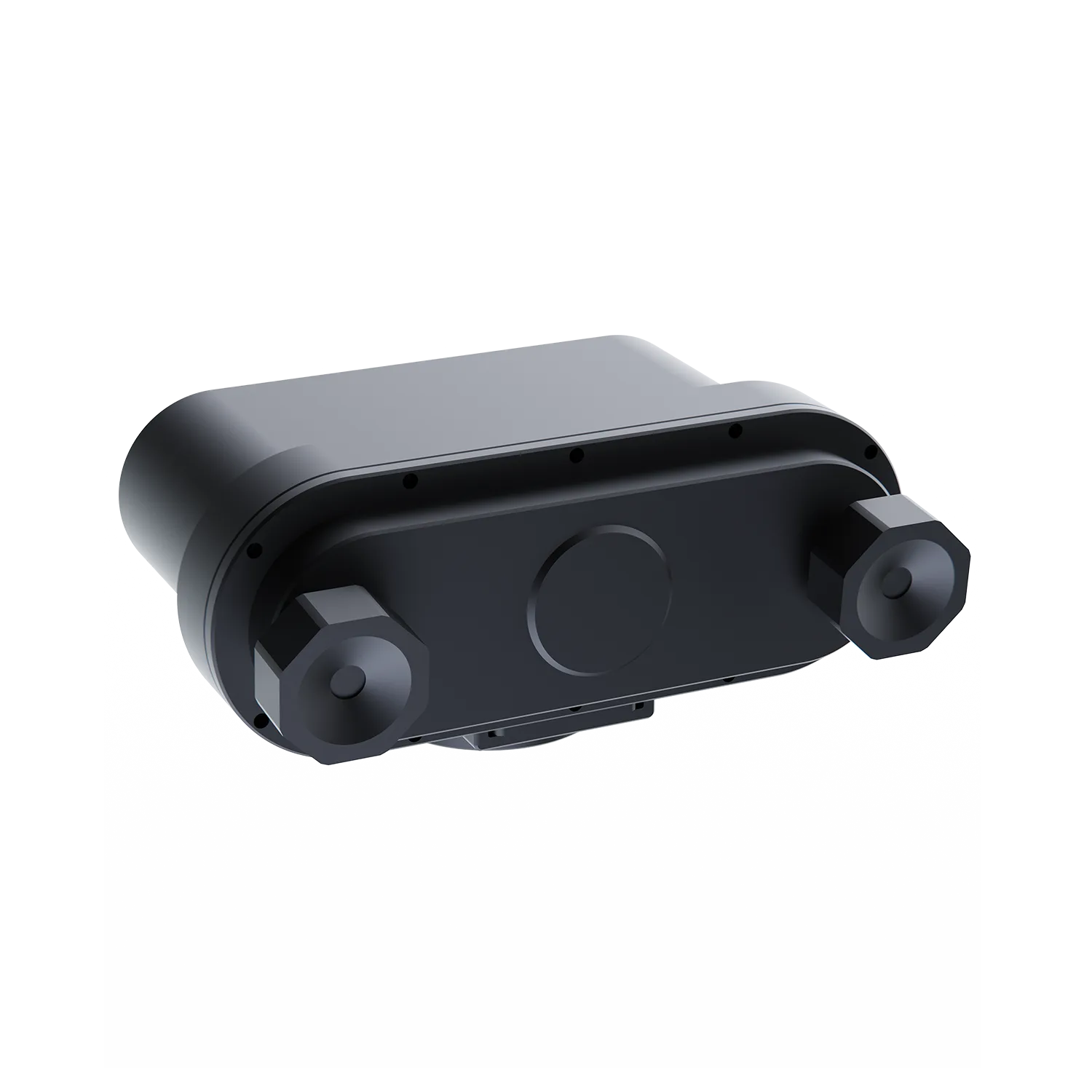
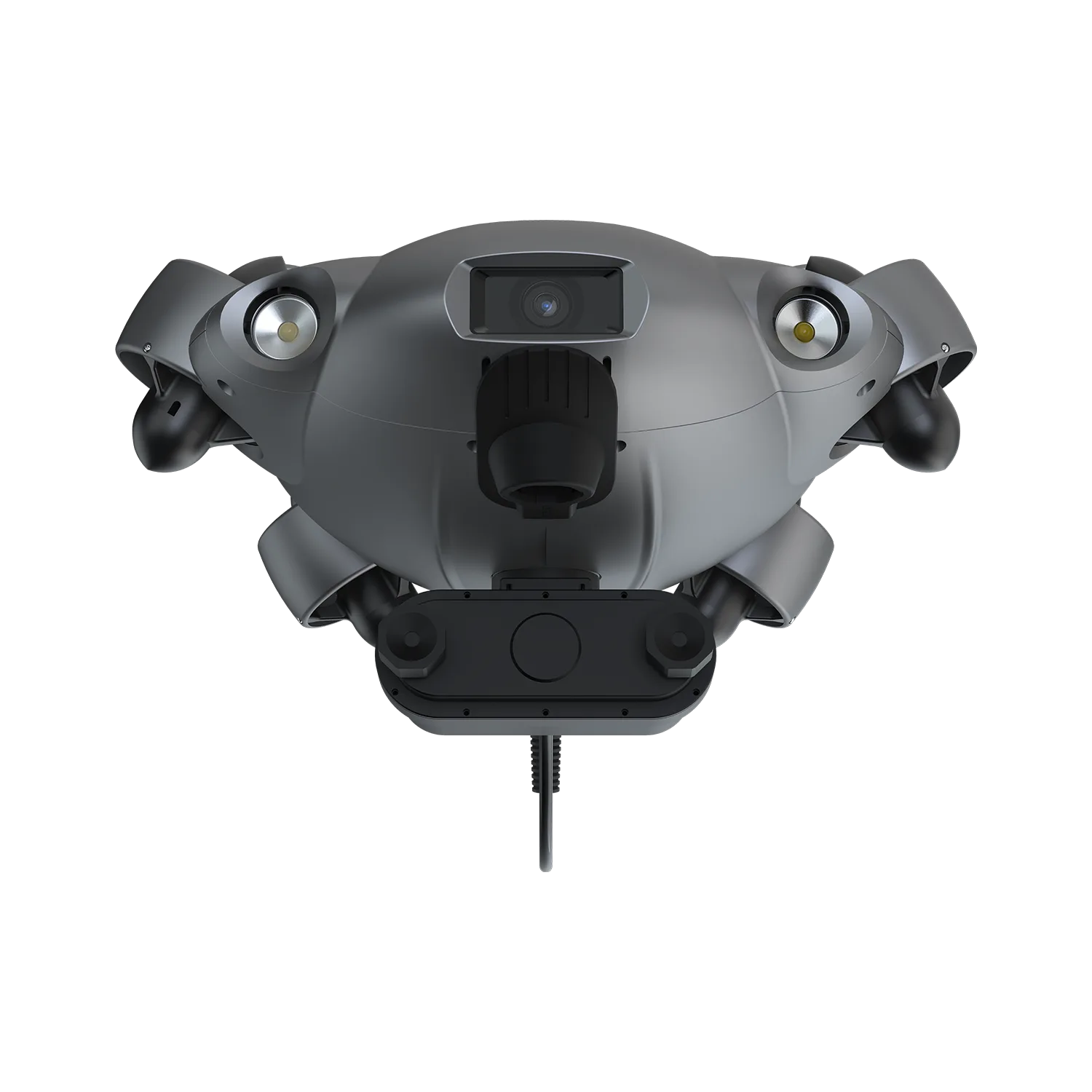
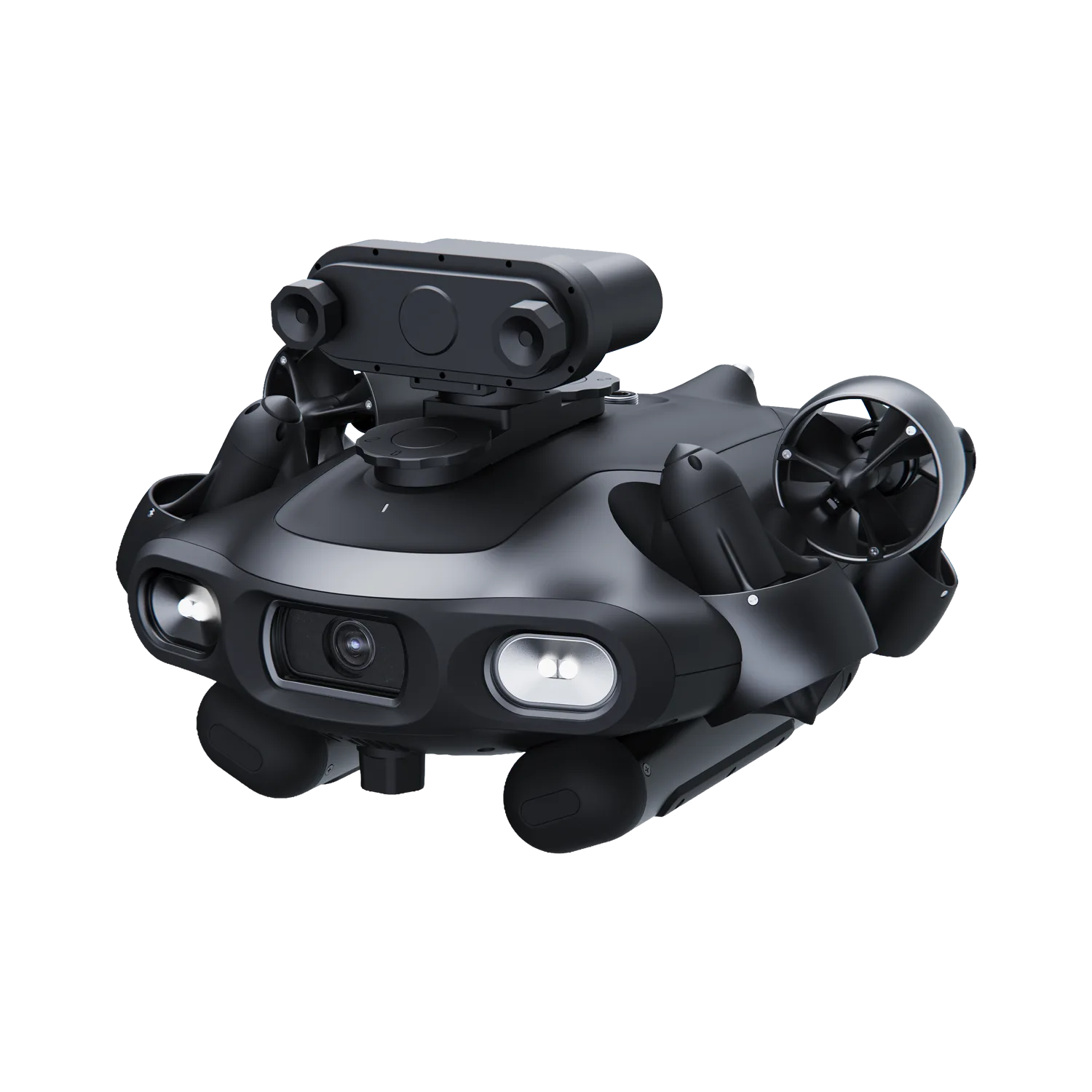
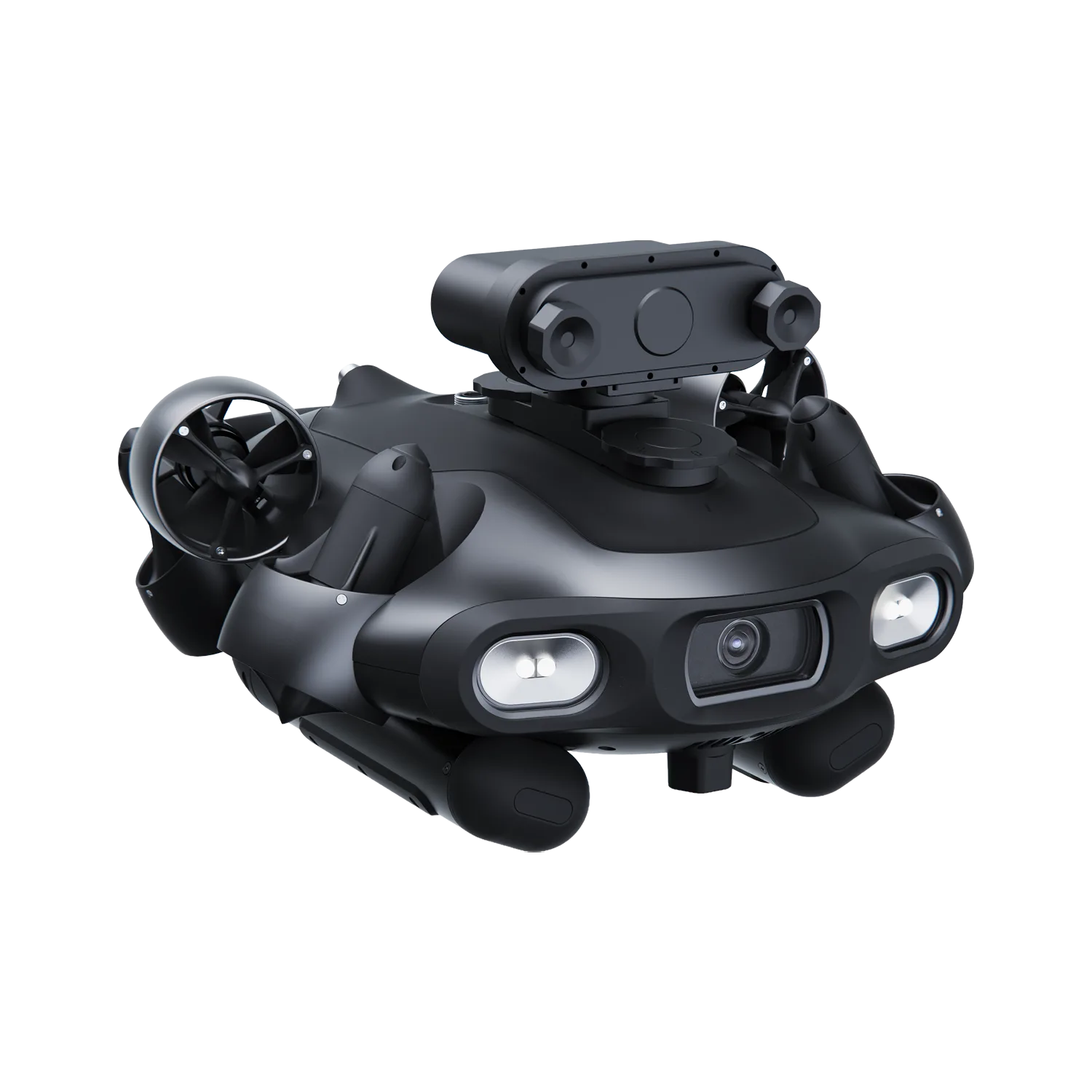
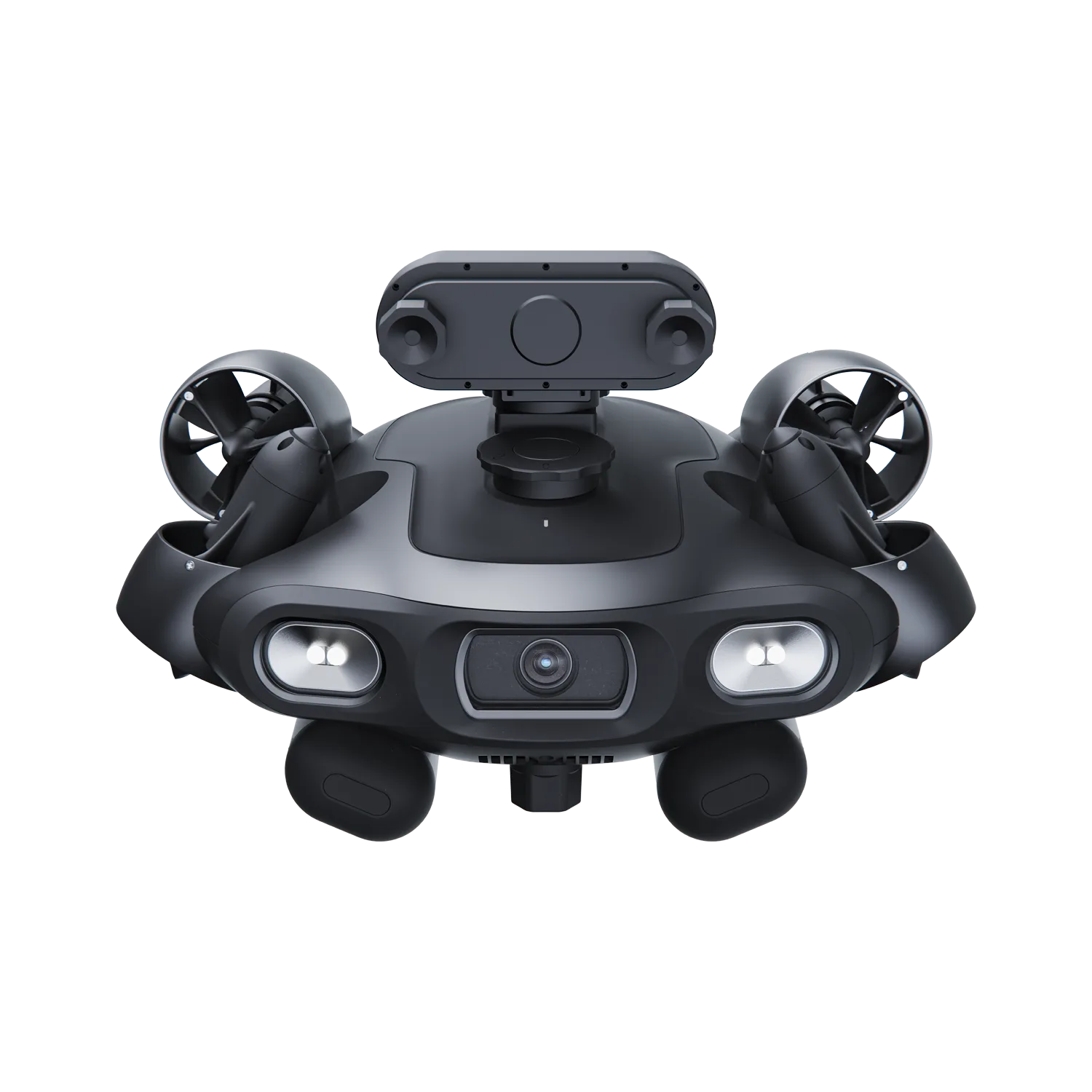
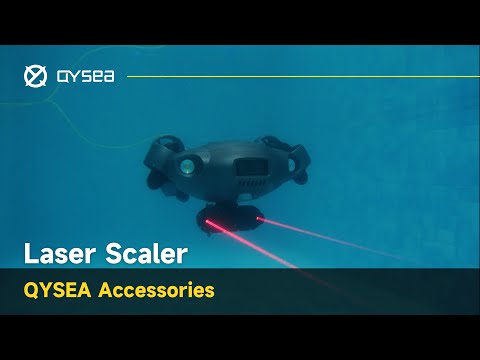
Underwater Laser Scaler for ROVs
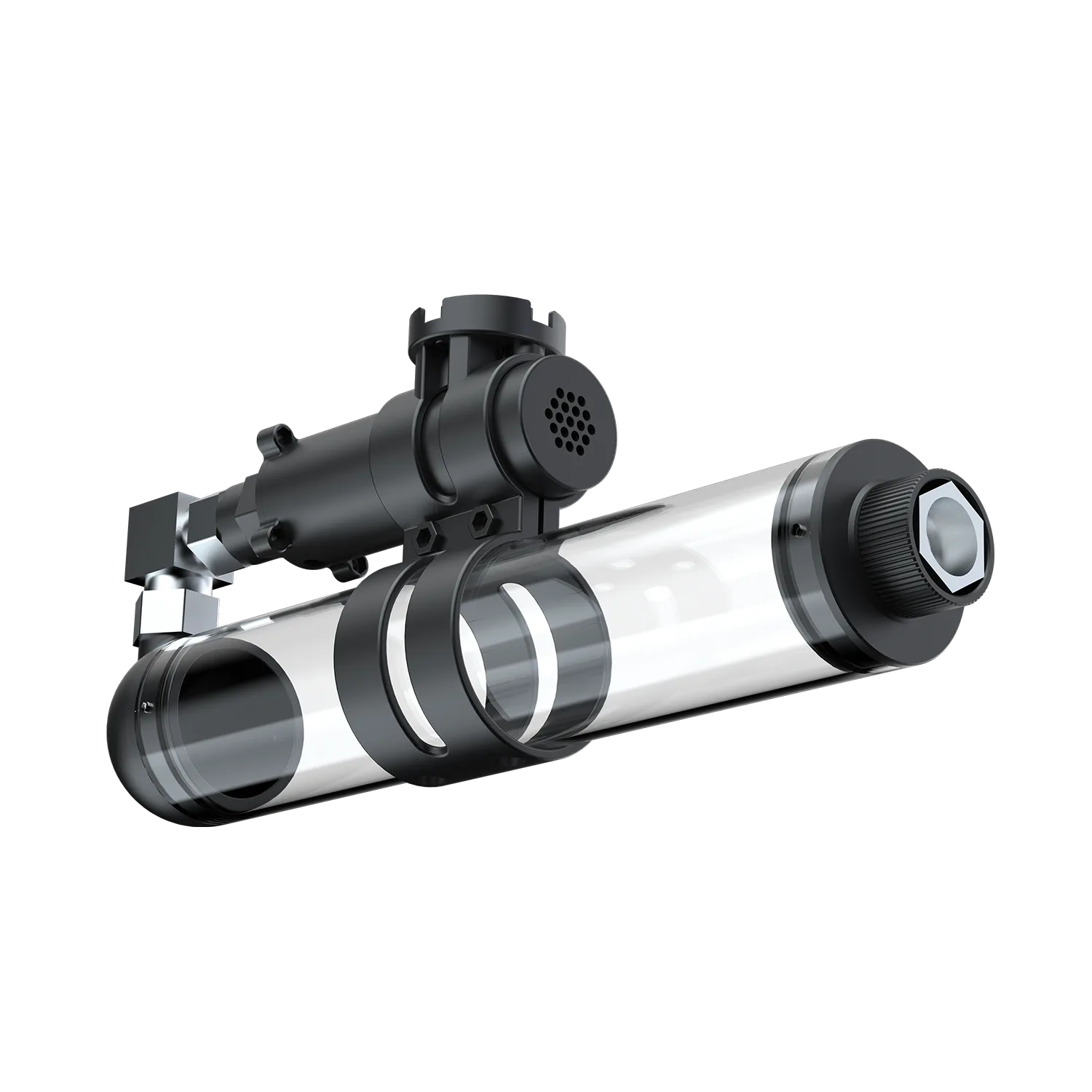
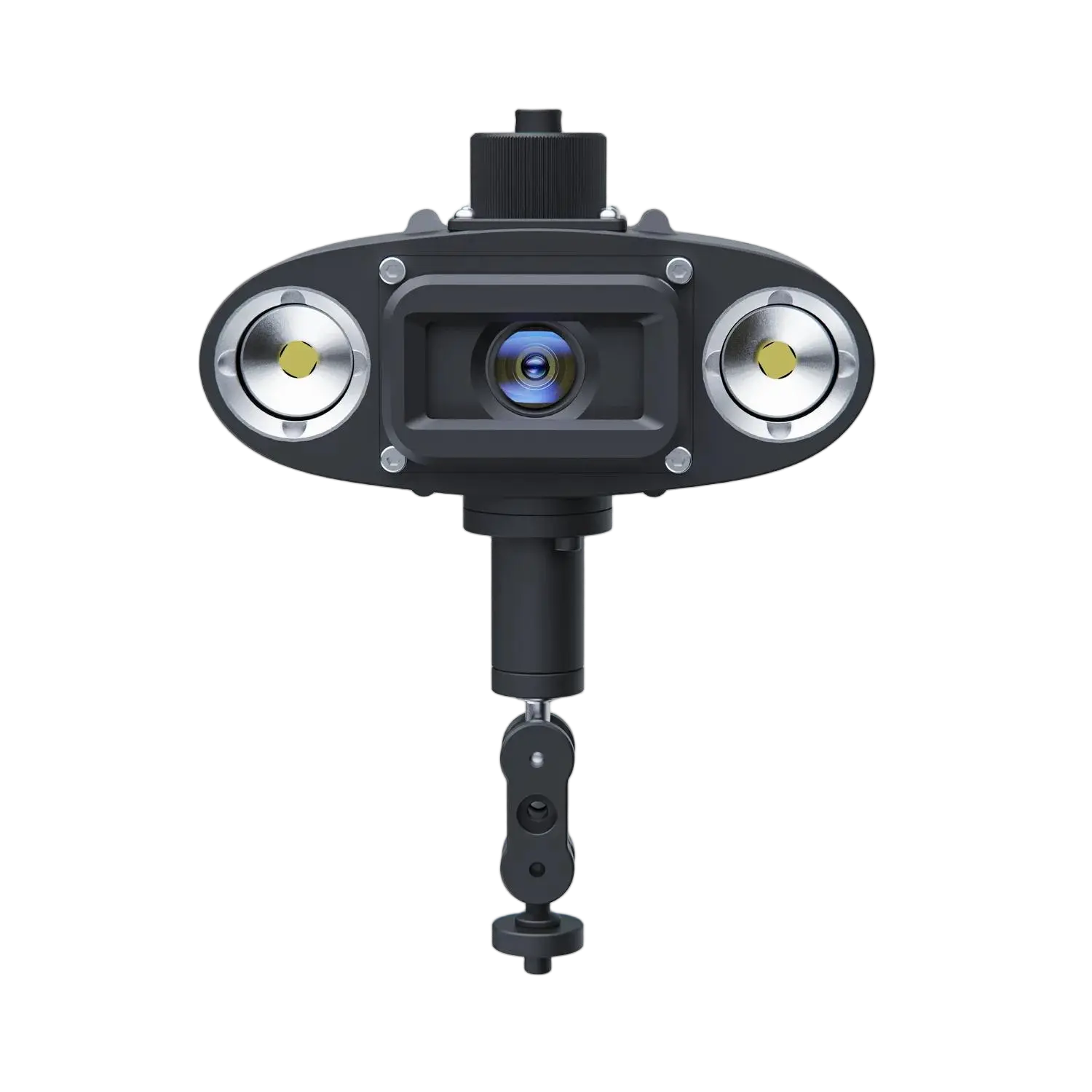
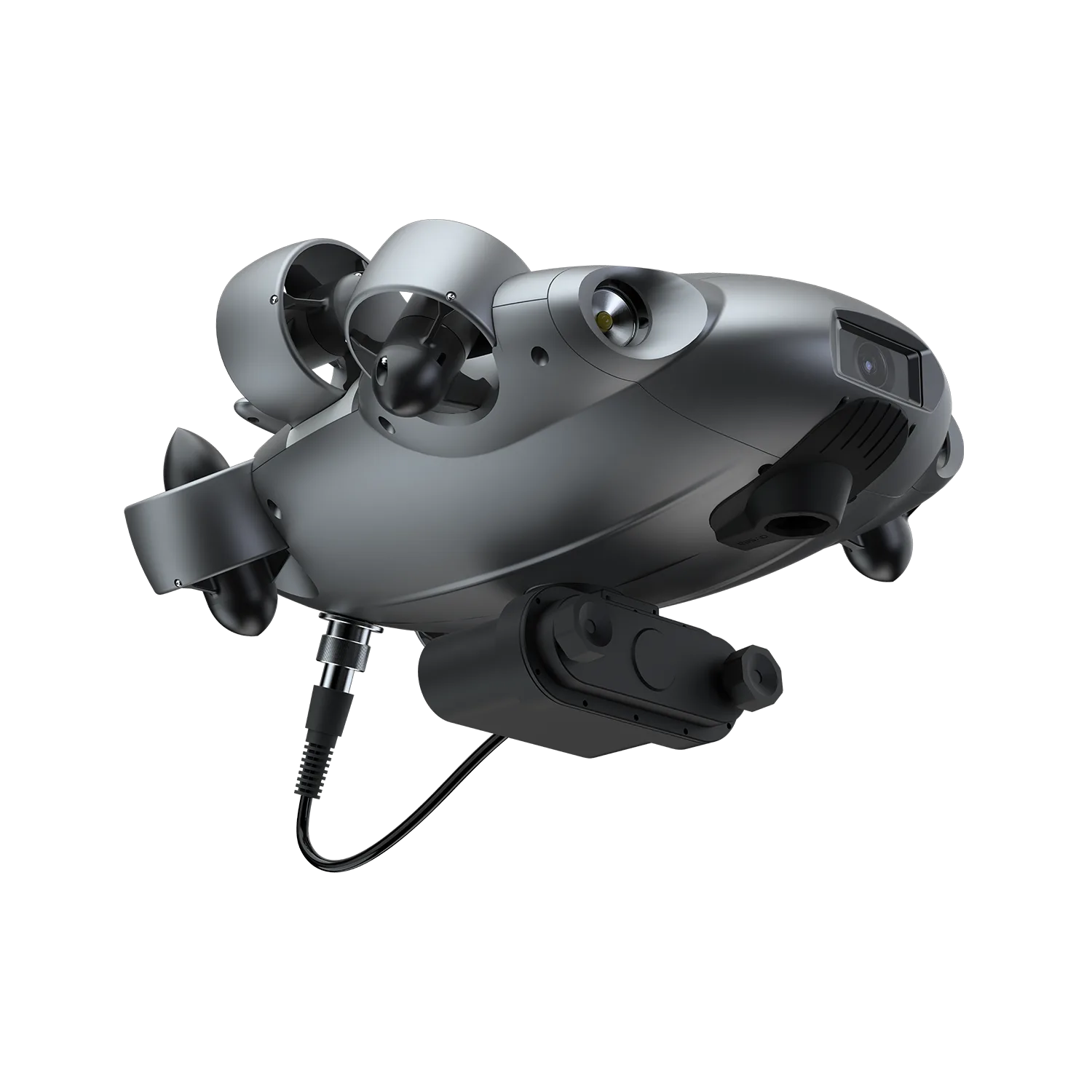
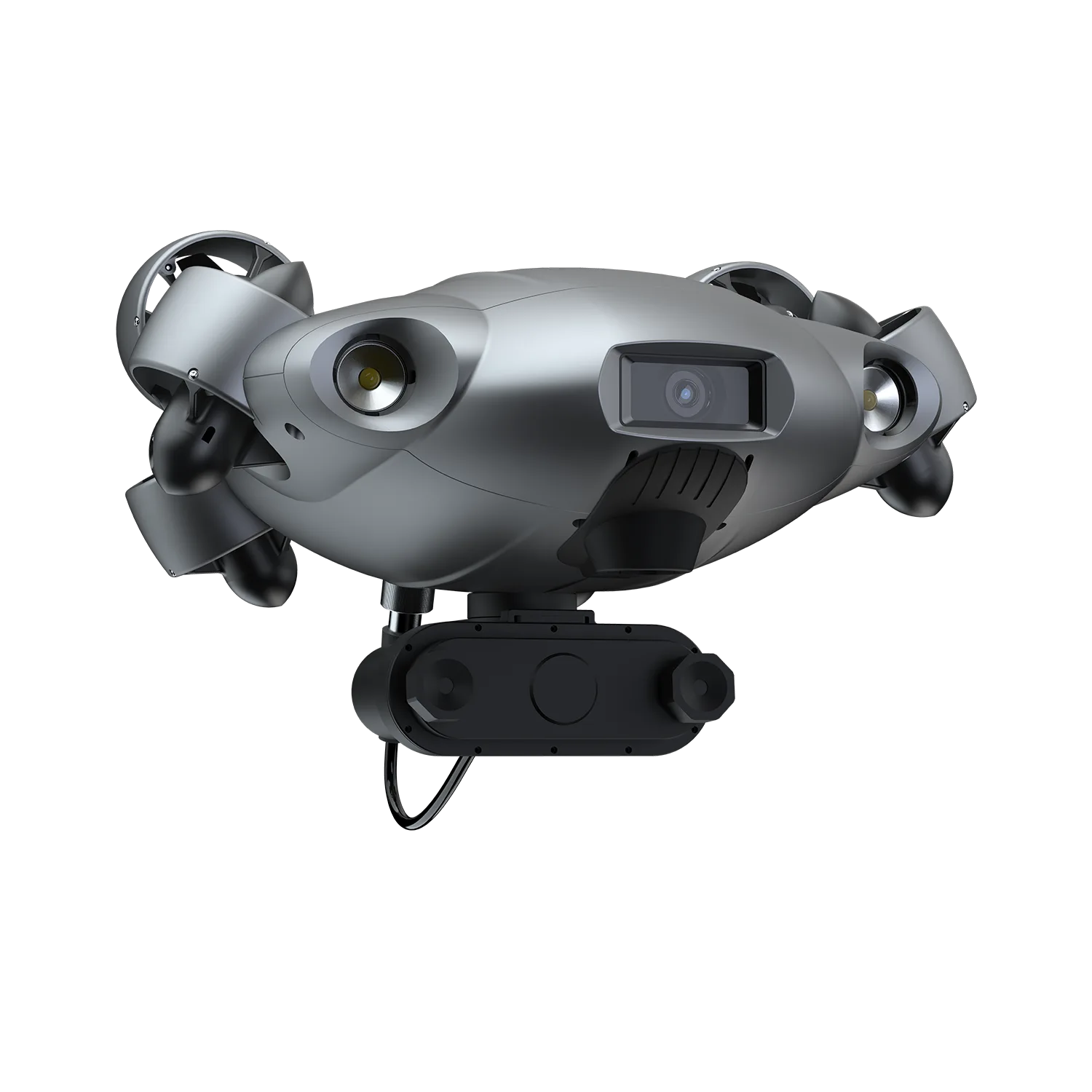
Add a reliable visual scale reference to underwater inspections and measurements. The Laser Scaler projects two fixed laser points at a known distance, helping divers, engineers, and ROV operators capture clearer size references during observation, inspection, and documentation tasks. It serves as the foundational accessory for the QY-MT Underwater Measurement System, providing the optical reference required for more advanced measurement workflows such as length, perimeter, and area analysis.
See More
Compatible ROV Models
V6 EXPERT, E-GO
Key Features:
- Foundational Optical Reference for QY-MT: The Laser Scaler projects two fixed laser points 10 cm apart, creating the physical reference required for QY-MT measurement workflows.
- Supports Measurement of Complex Shapes: Within a QY-MT workflow, the Laser Scaler helps enable area and perimeter evaluation of irregular underwater targets.
- Supports Real-Time and Offline Workflows: When used with QY-MT, the Laser Scaler supports both real-time topside review and offline analysis of recorded footage.
- Structured Reporting Workflow: In a QY-MT workflow, measurement results can be organized into structured PDF/Excel reports with images and parameters.
- Compatible with Multiple Measurement Tools: As the optical reference accessory for QY-MT, the Laser Scaler supports workflows involving linear, polyline, and area-based measurement tools.
*QY-MT system available for separate purchase or free trial. Laser Scaler serves as the foundational accessory for QY-MT measurement workflows.
See More
Frequently Bought Together:
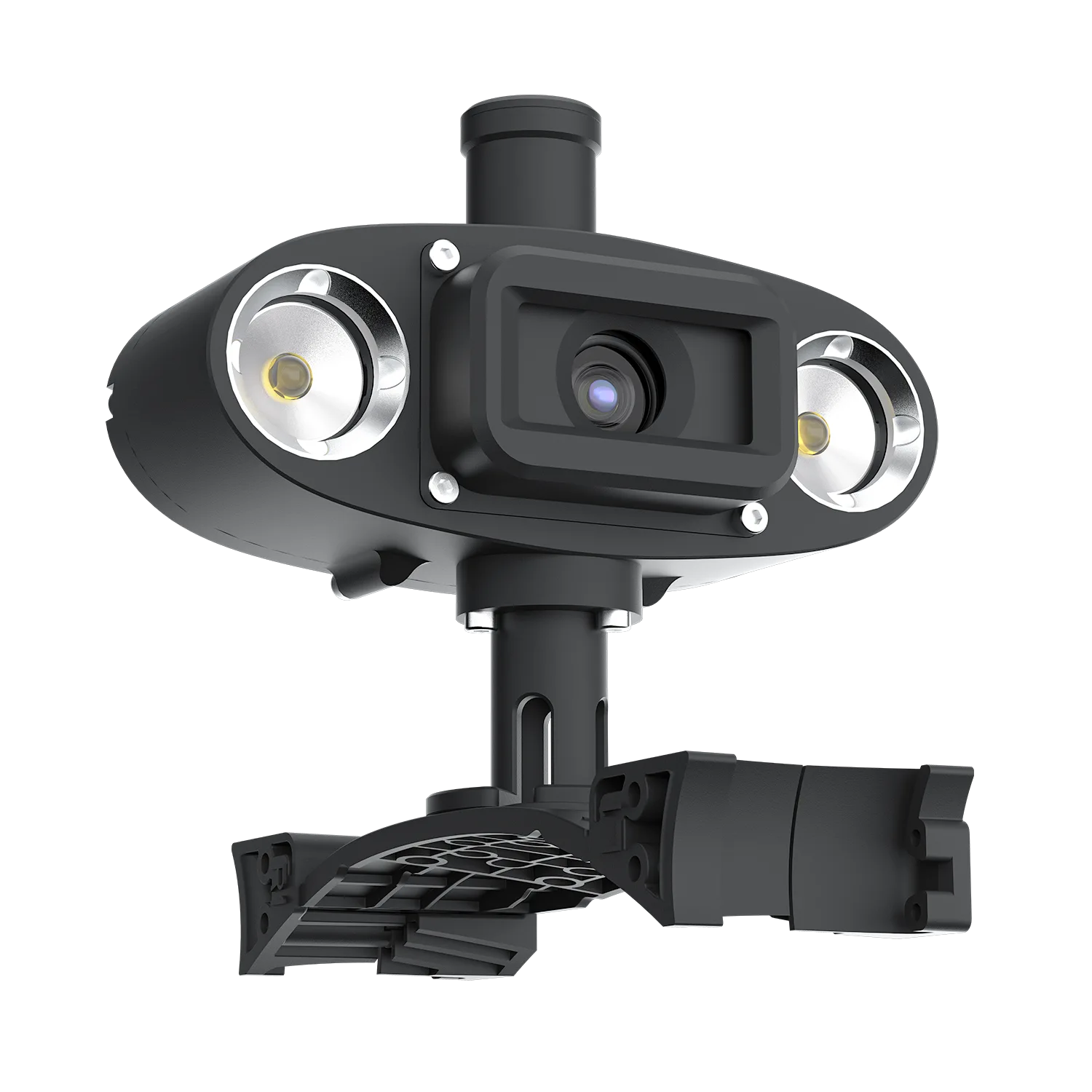
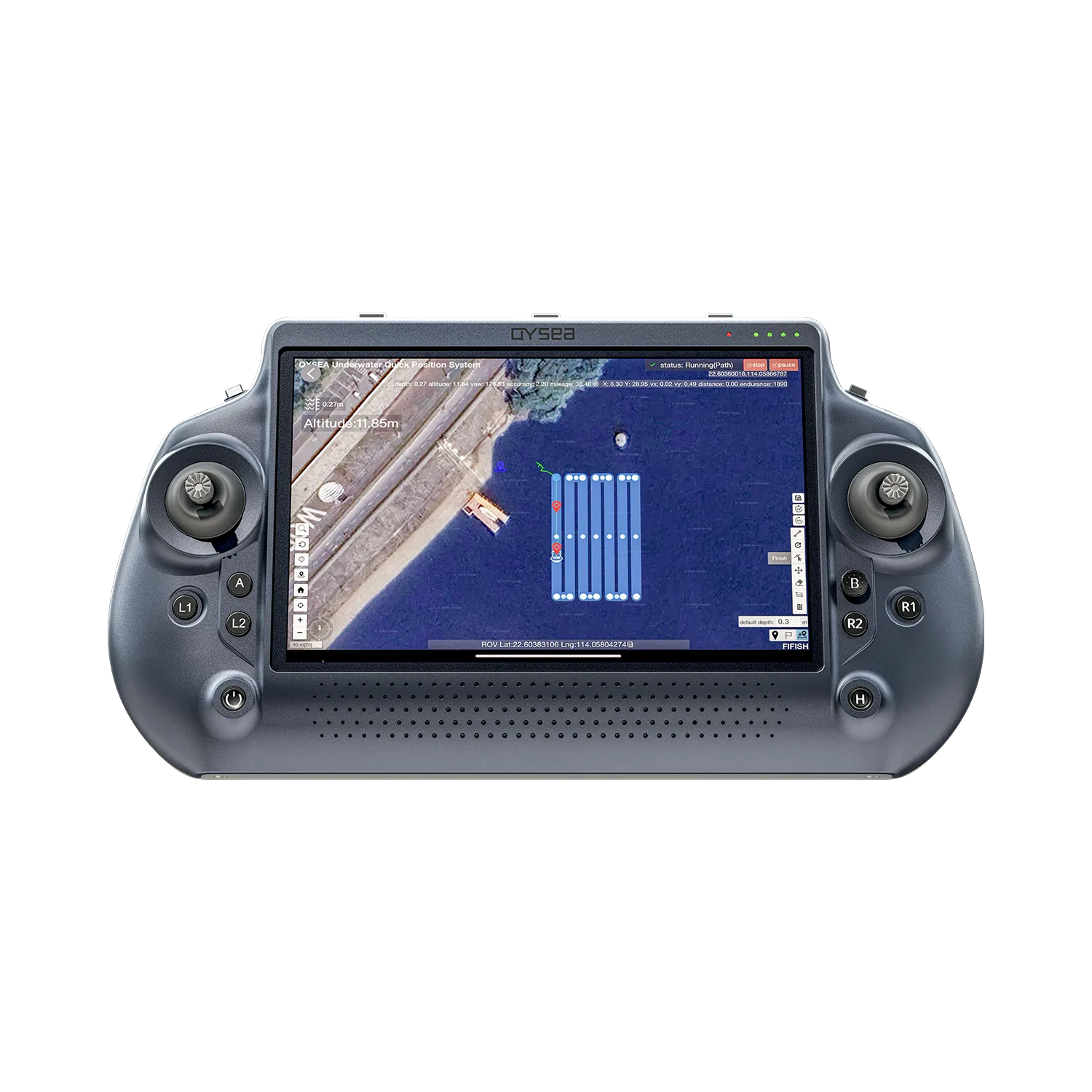


Underwater Laser Scaler for ROVs
Sale price$499.00

The QY-MT underwater measurement system is available for separate purchase or free trial.
Specifications & In the Box
SpecificationsDepth Rating: 100 m (328 ft)
Laser Tube Type: Spot Laser
Wavelength: 650 nm (Red)
Scale Length: 10 cm (3.9 in)
Detection Distance: 0.4 m – 7 m (1.3 ft – 23 ft)
Working Temperature: -10°C – 60°C (14°F – 140°F)
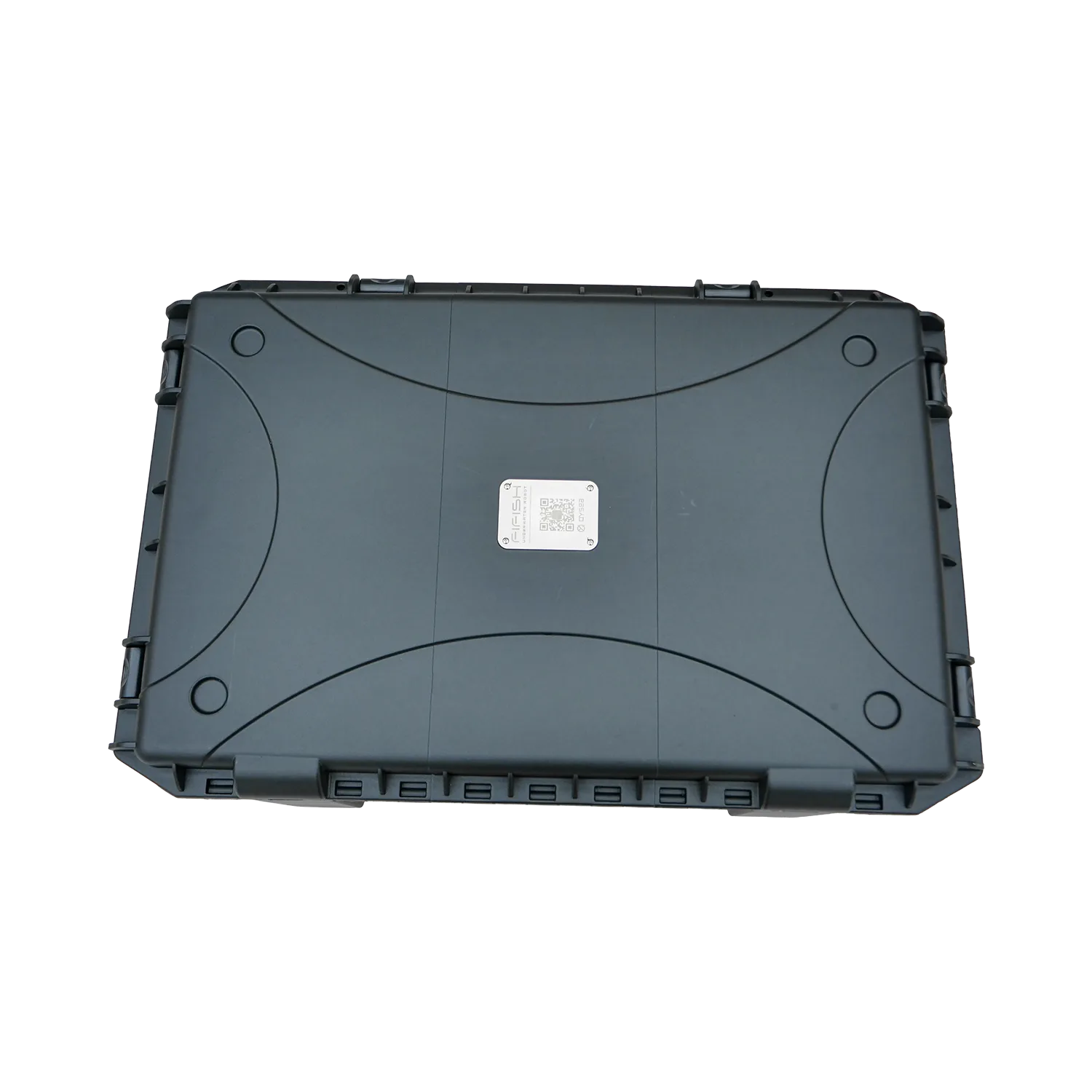
In the Box1 × Laser Scaler
1 × User Manual
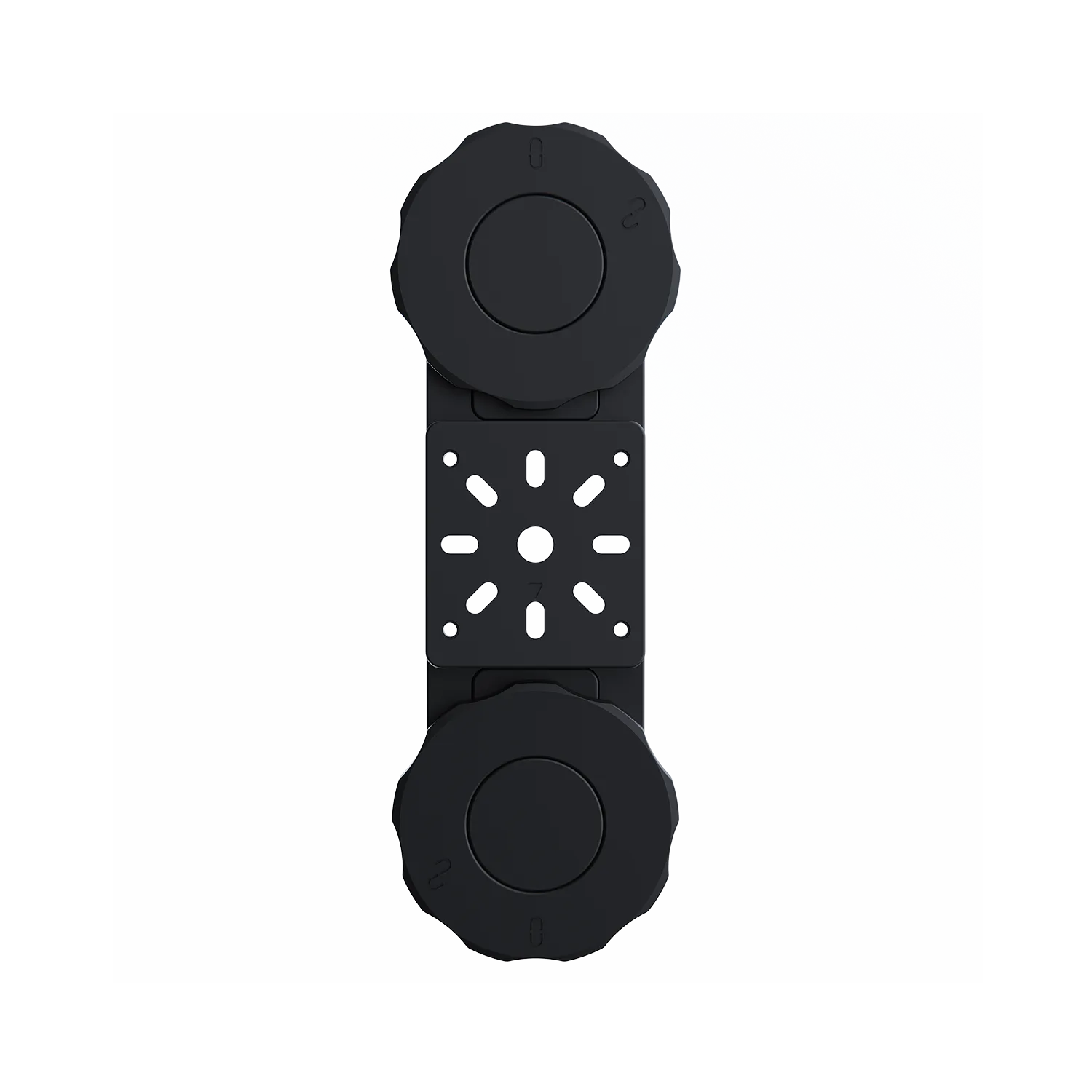
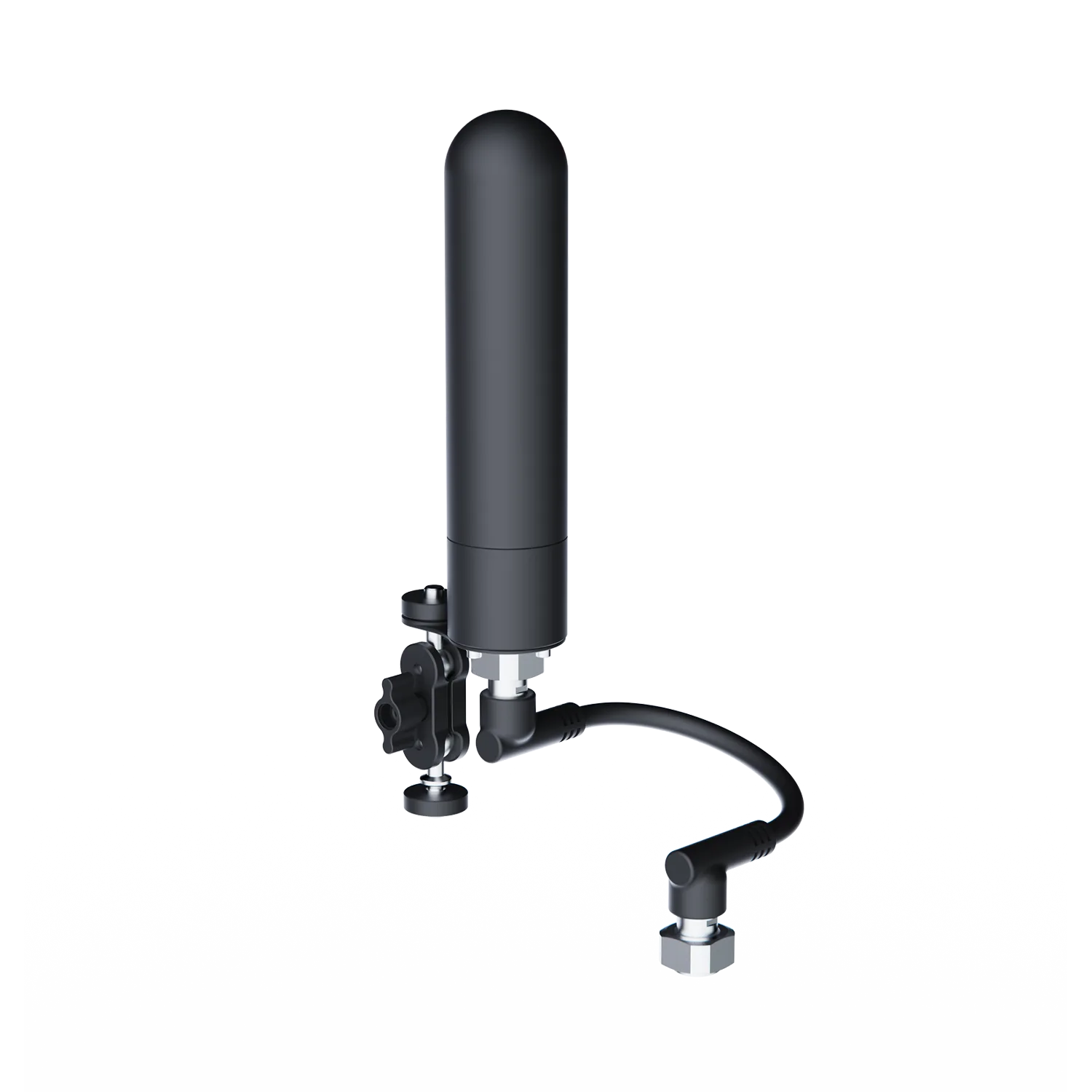
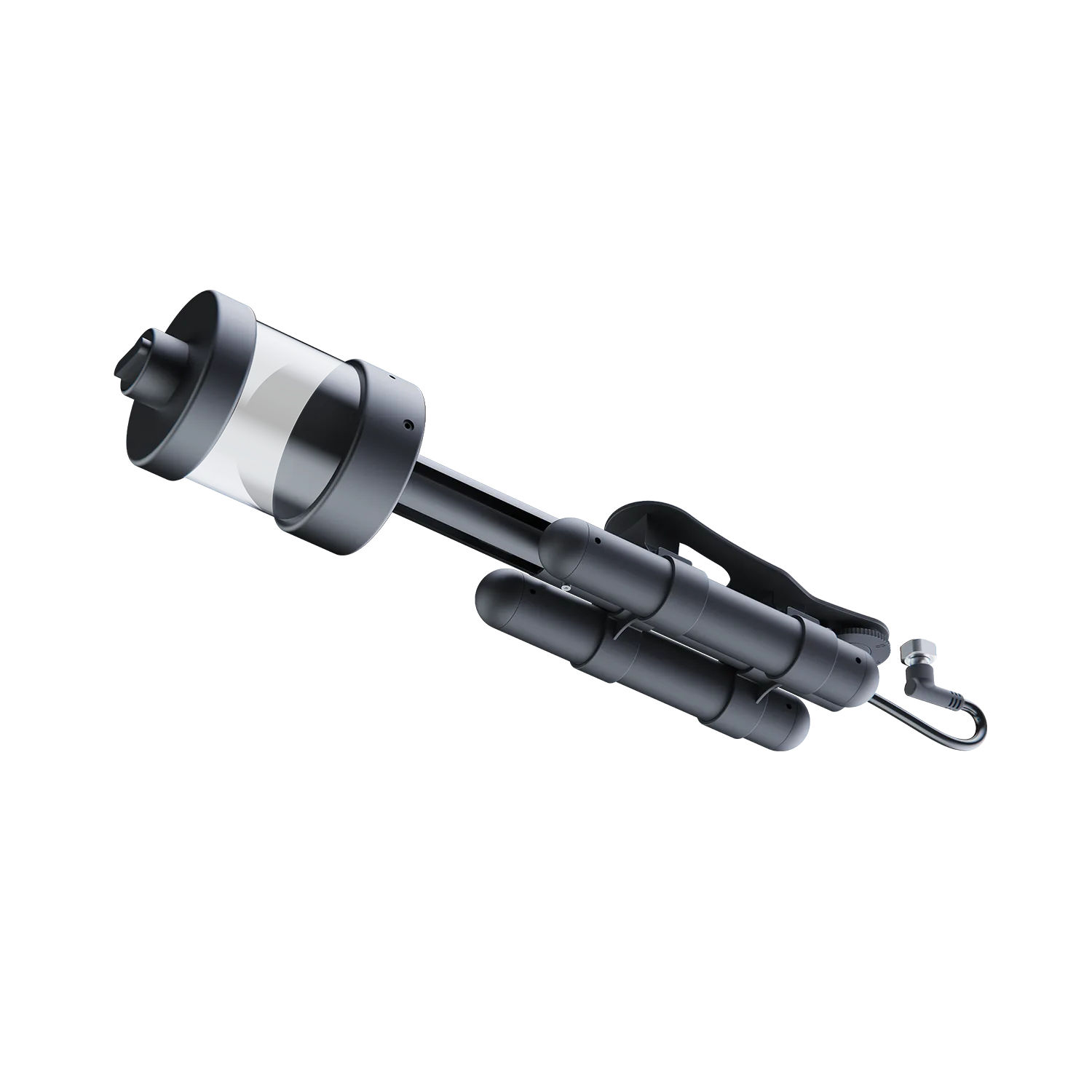
1 Set × Installation Kit (Screws, O-rings, & Tools)


Frequently Asked Questions
Have questions about our underwater ROVs or your order? We’re here to help!

Our customer support is available Monday to Friday: 9:00 a.m. – 6:00 p.m. (UTC+8).Average response time: Within 24 hours.
Is the QY-MT software required to use the Underwater Laser Scaler?
Hardware Function: No, the software is not strictly required for hardware operation. The Underwater Laser Scaler can be installed independently on the ROV to project two laser dots as a visual scaling reference.
Software Value: However, QY-MT (Measurement Software) is highly recommended as it is the key to digital measurement. With QY-MT, you can select on the live feed to automatically calculate length, perimeter, and area. Without it, you are limited to manual estimation based on the fixed 10cm gap.
How does the Laser Scaler work? How are measurements achieved?
Basic Principle: The Laser Scaler utilizes two parallel laser emitters to project two light dots onto the target surface at a fixed distance of 10 cm (100mm).
Calculation Logic: These two dots act as a "standard ruler" within the image. The QY-MT software uses image recognition algorithms to use this 10cm distance as a base reference, calculating the actual physical dimensions of any other selected points or shapes in the frame.
Can the Underwater Laser Scaler measure uneven or irregular underwater structures?
Yes. For irregular structures, the laser dots will project onto the surface contours.
Which FIFISH ROV models are compatible with the Underwater Laser Scaler?
It is compatible with the V6 EXPERT and E-GO series.
*Note: Because the connector interface of the V Series and E Series differ, please ensure you choose the right option for your respective model.
Can the Underwater Laser Scaler be used on third-party ROVs?
No. The Laser Scaler requires the Q-Interface for power and utilizes proprietary communication protocols controlled via the FIFISH system. It is not compatible with other ROV brands.
Could turbid water cause refraction and result in inaccurate measurements?
Principle Guarantee: Since the two laser beams are physically parallel, their refraction angles in water are identical. Therefore, the linear distance between the dots on the target surface remains a constant 10cm, regardless of water quality.
Environmental Limits: In extremely turbid water, the main challenge is visibility (the dots becoming blurry or obscured), not a change in the reference distance.
Our customer support is available Monday to Friday: 9:00 a.m. – 6:00 p.m. (UTC+8).Average response time: Within 24 hours.