

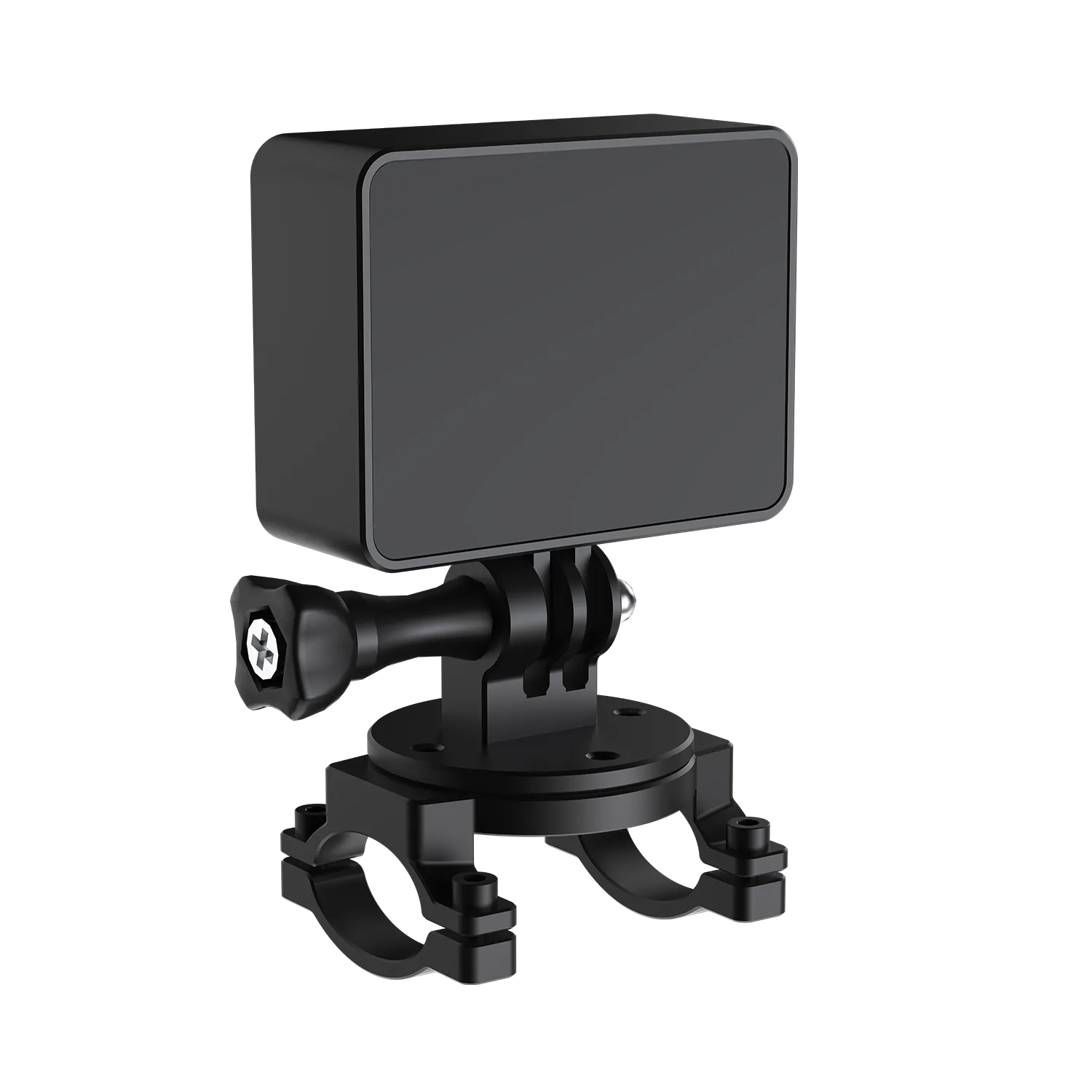
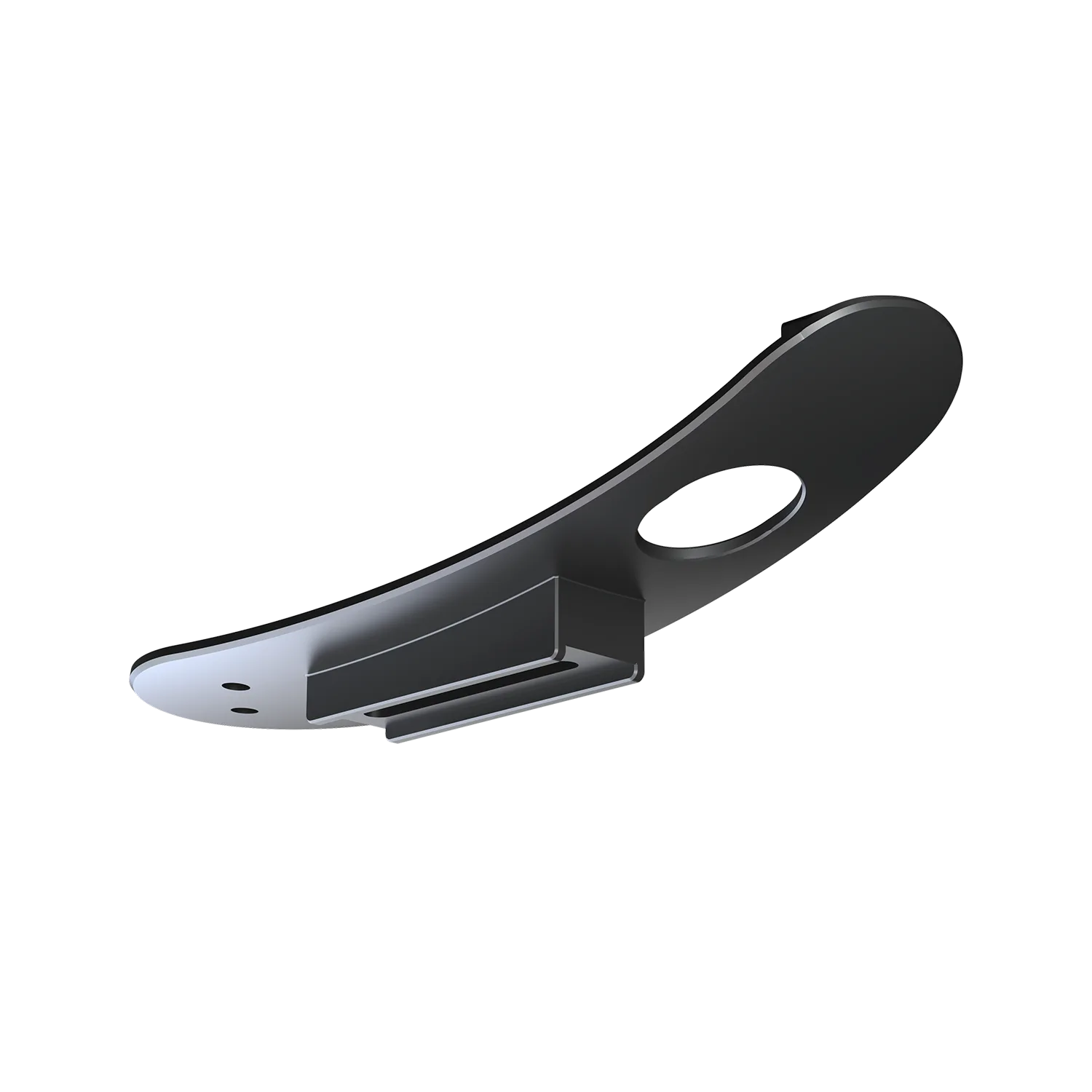
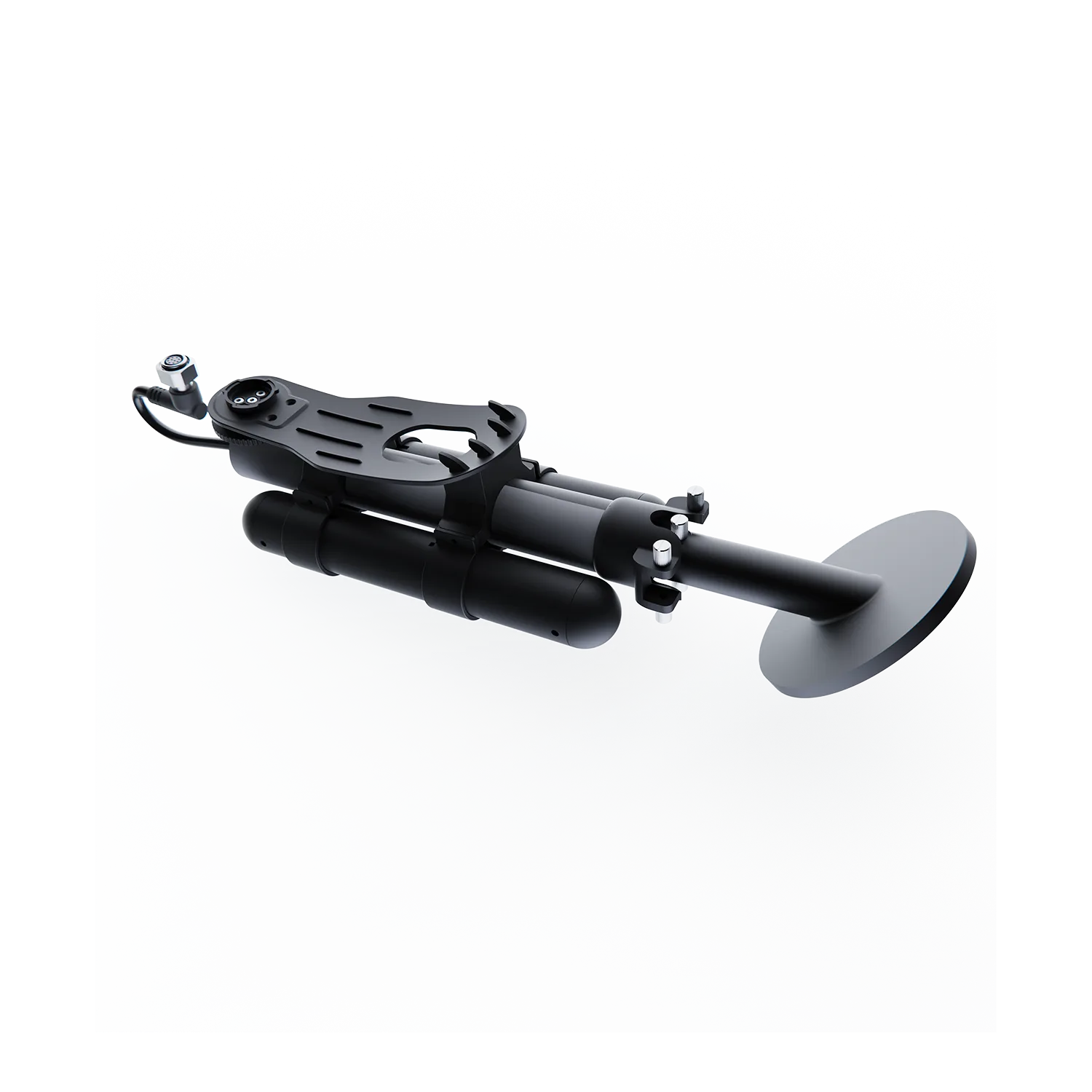
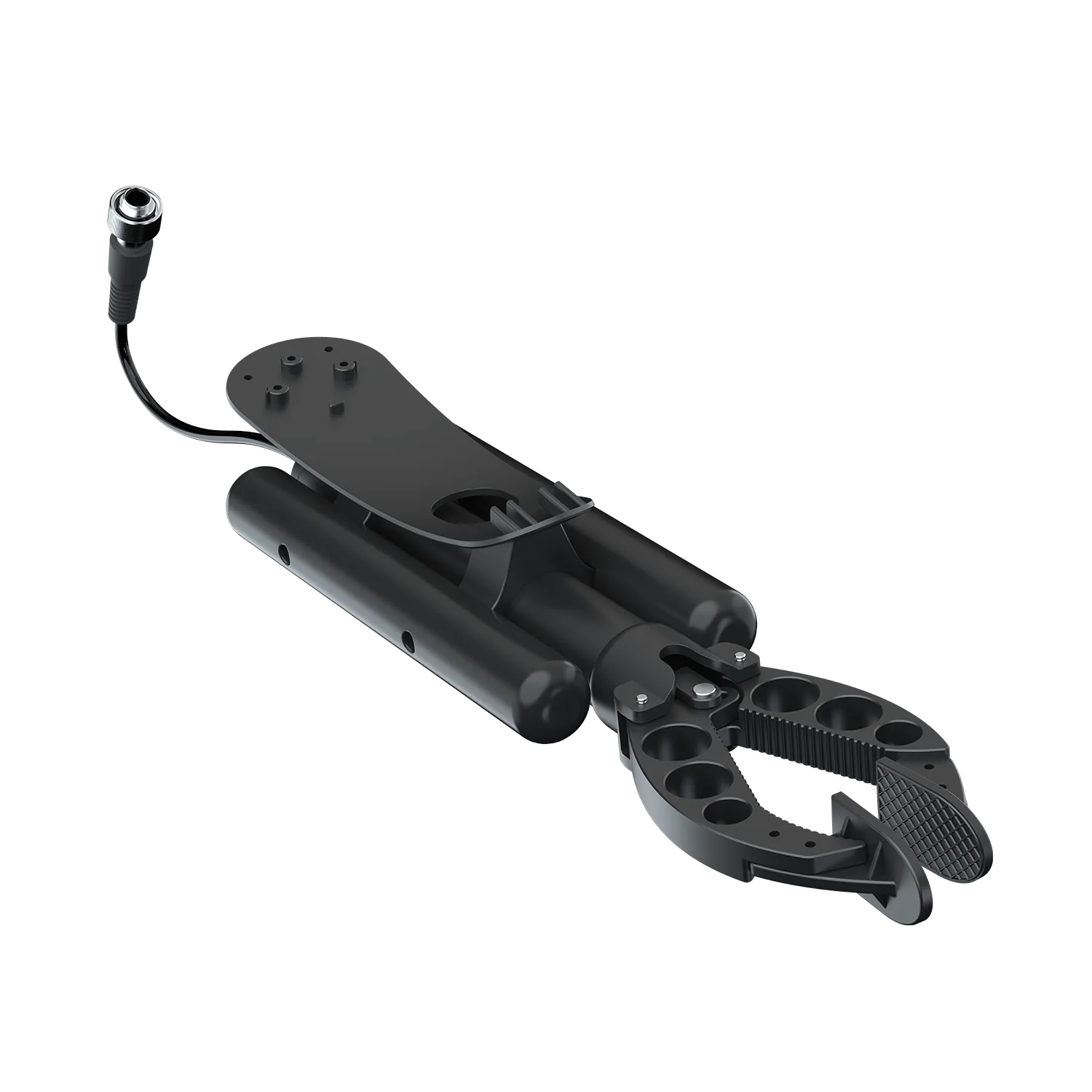
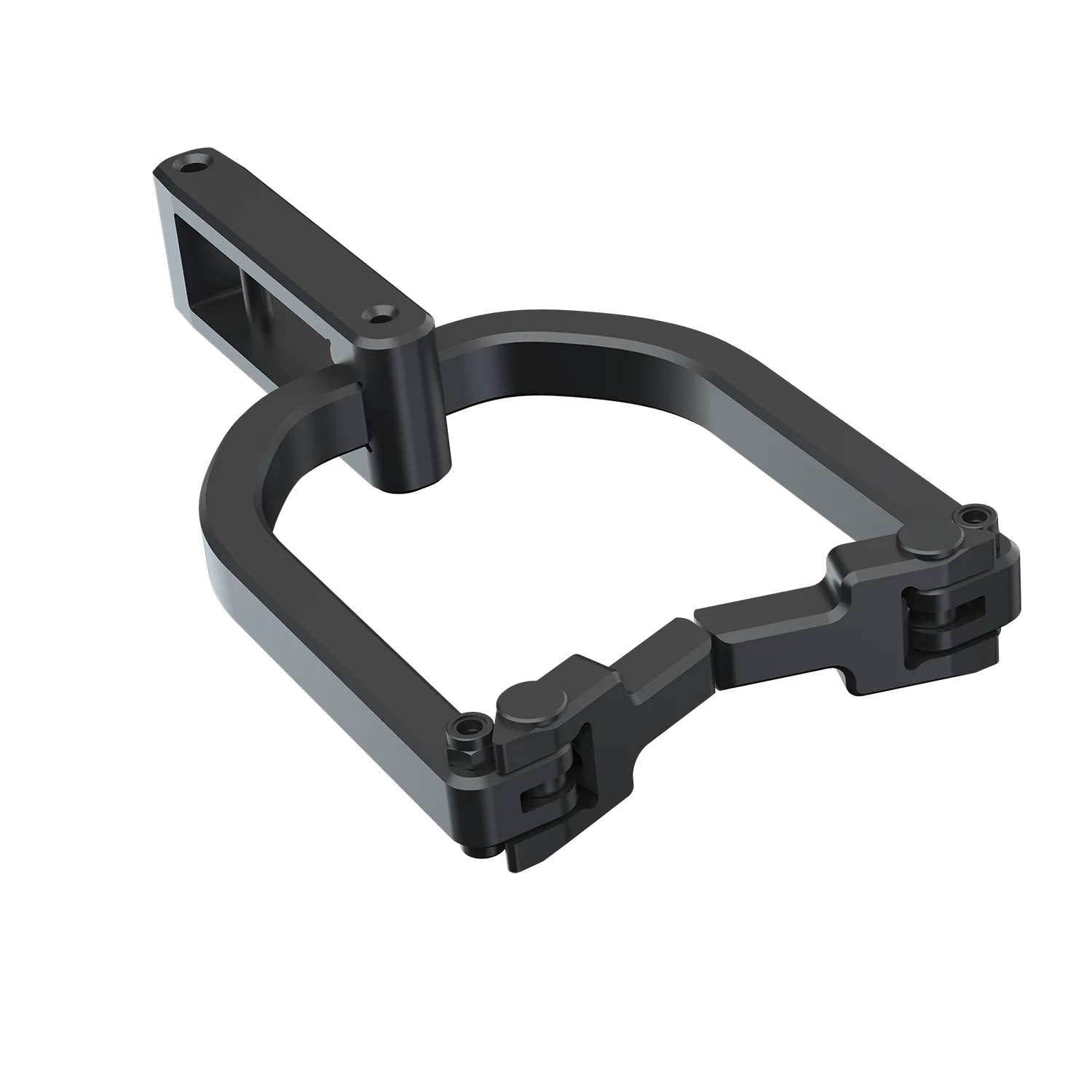
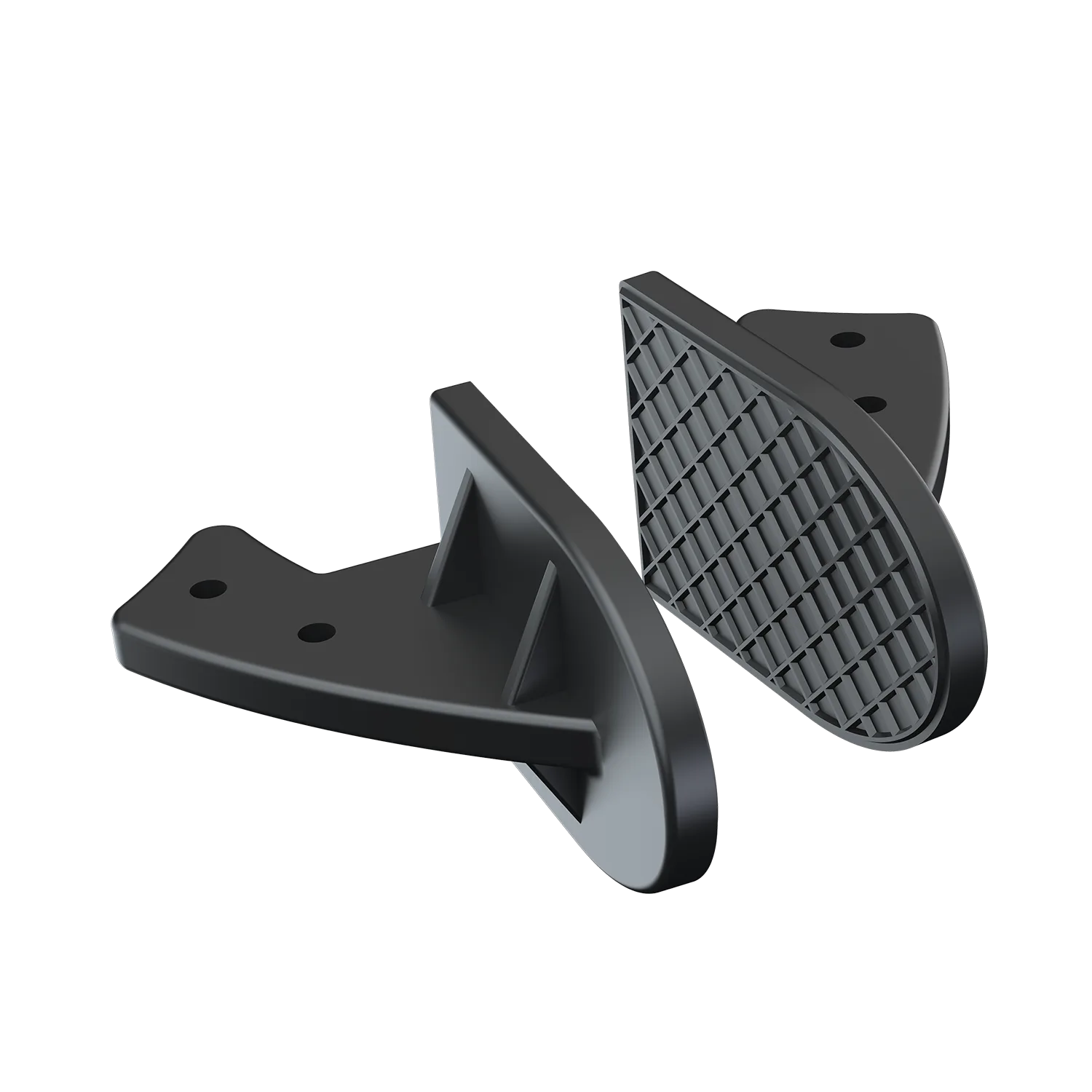
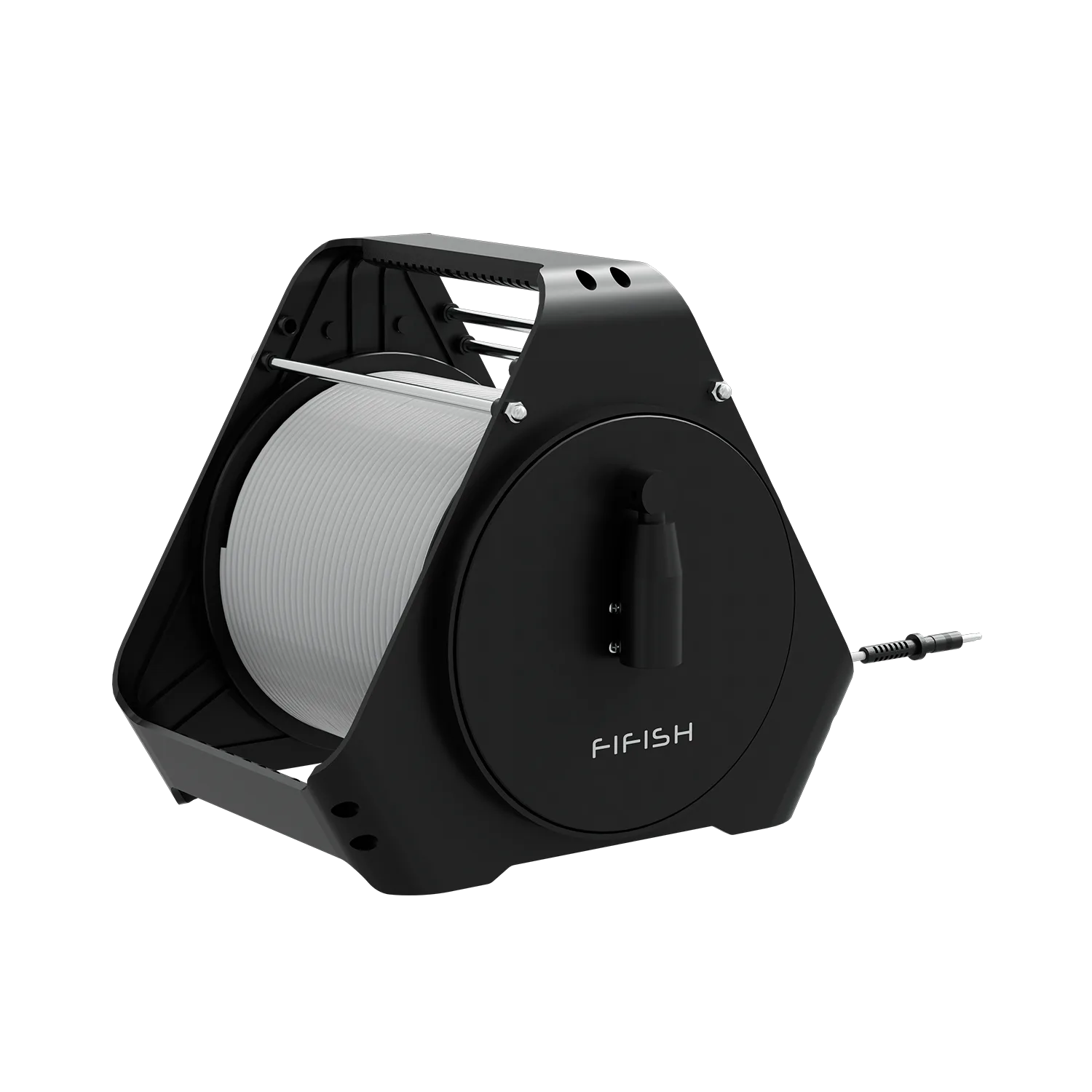
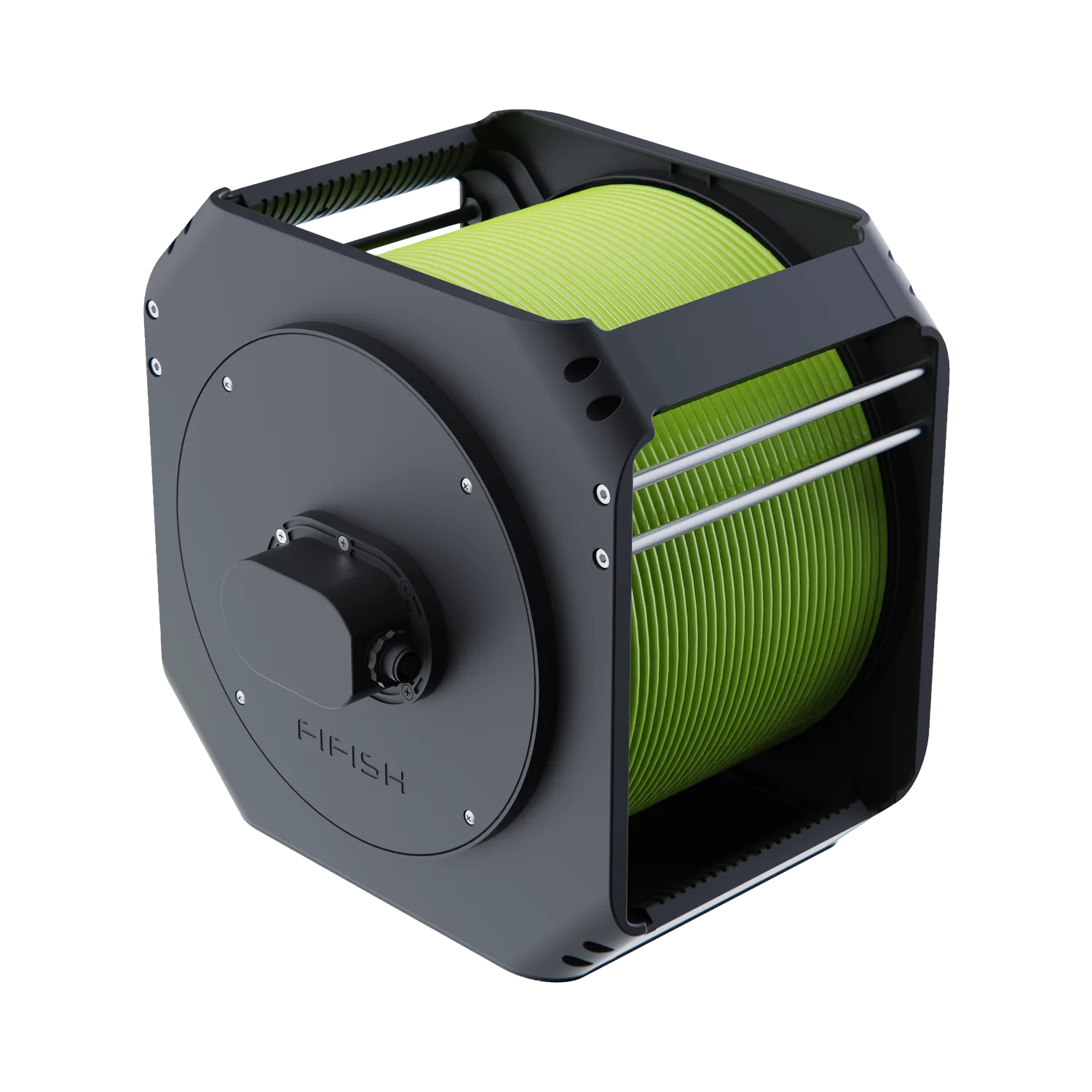
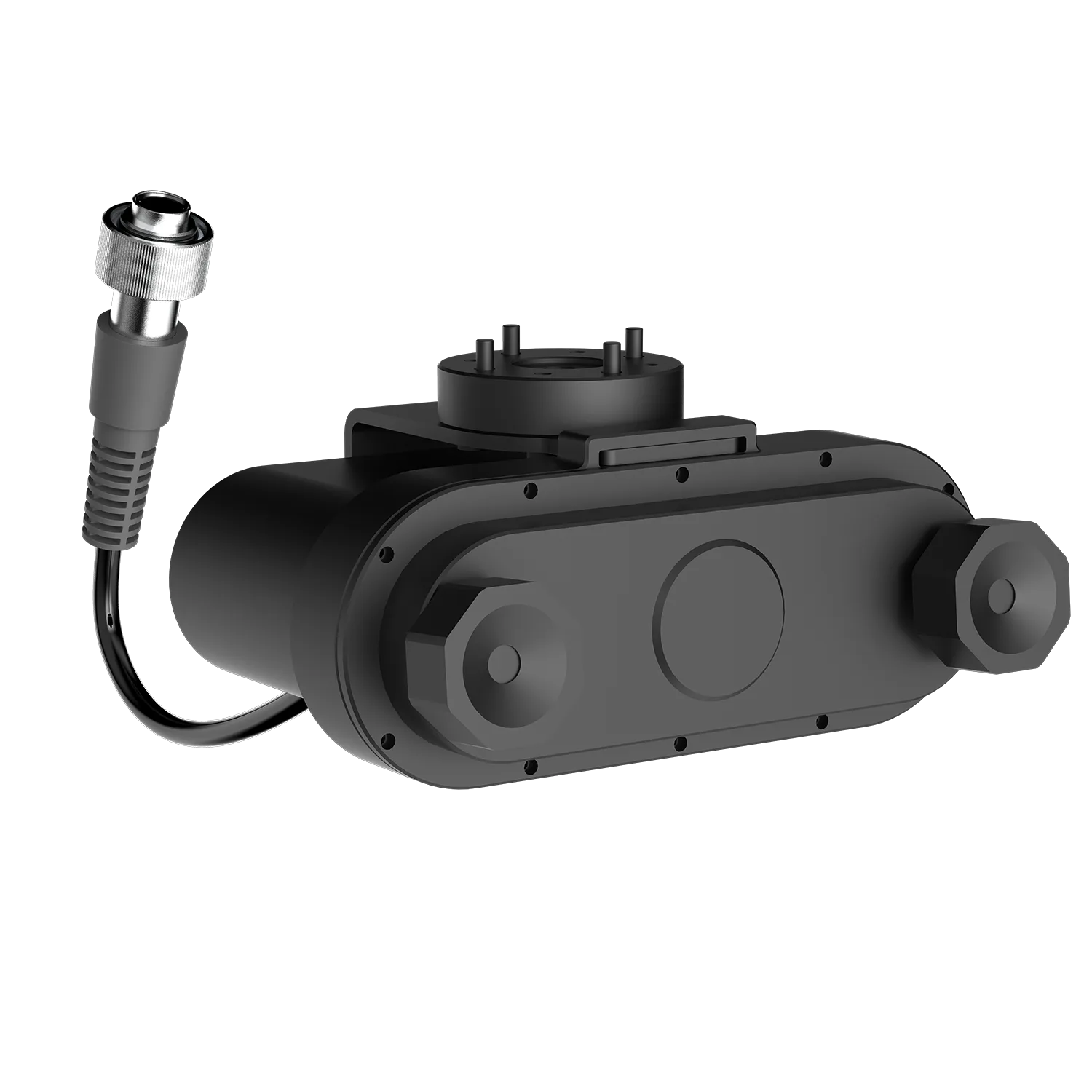
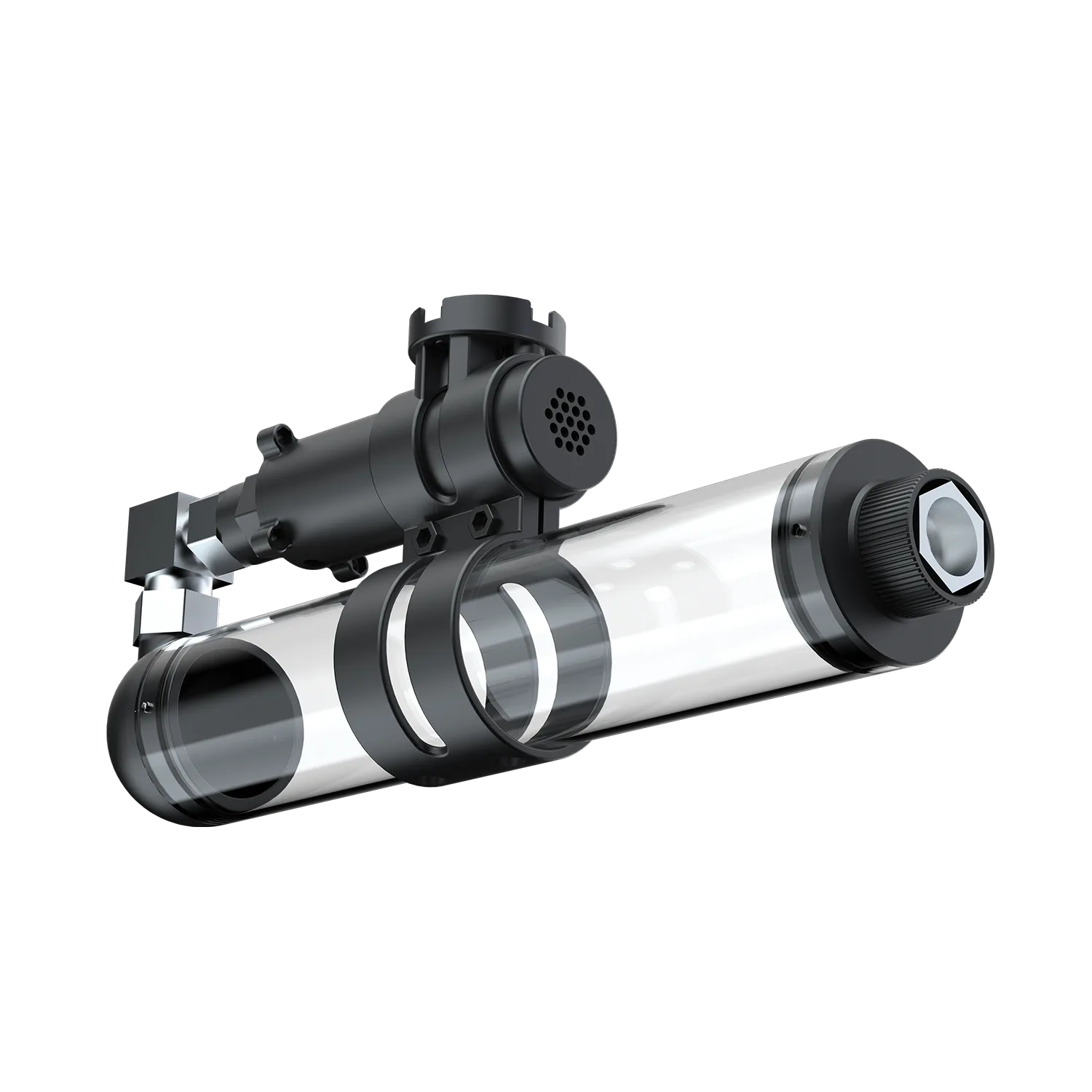
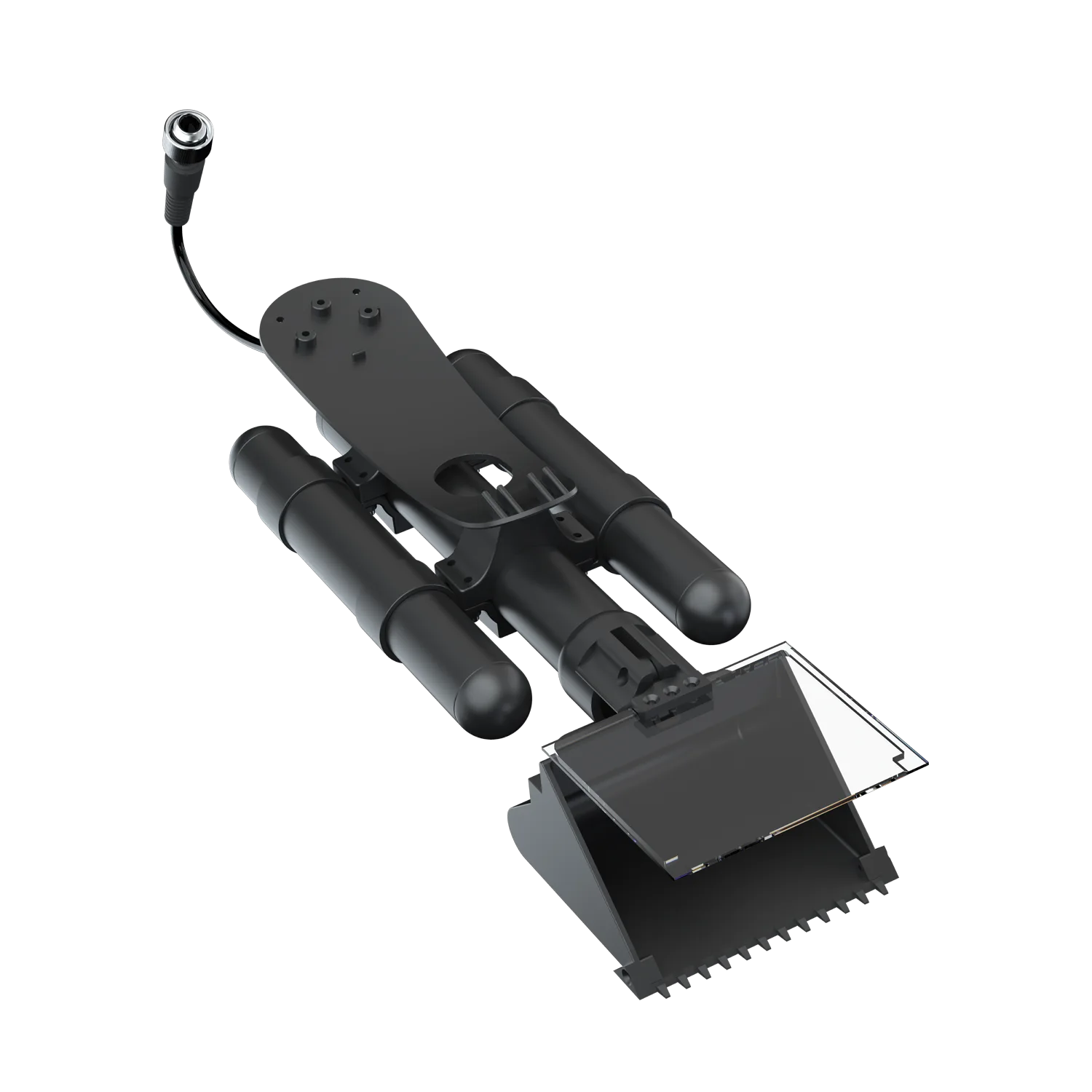
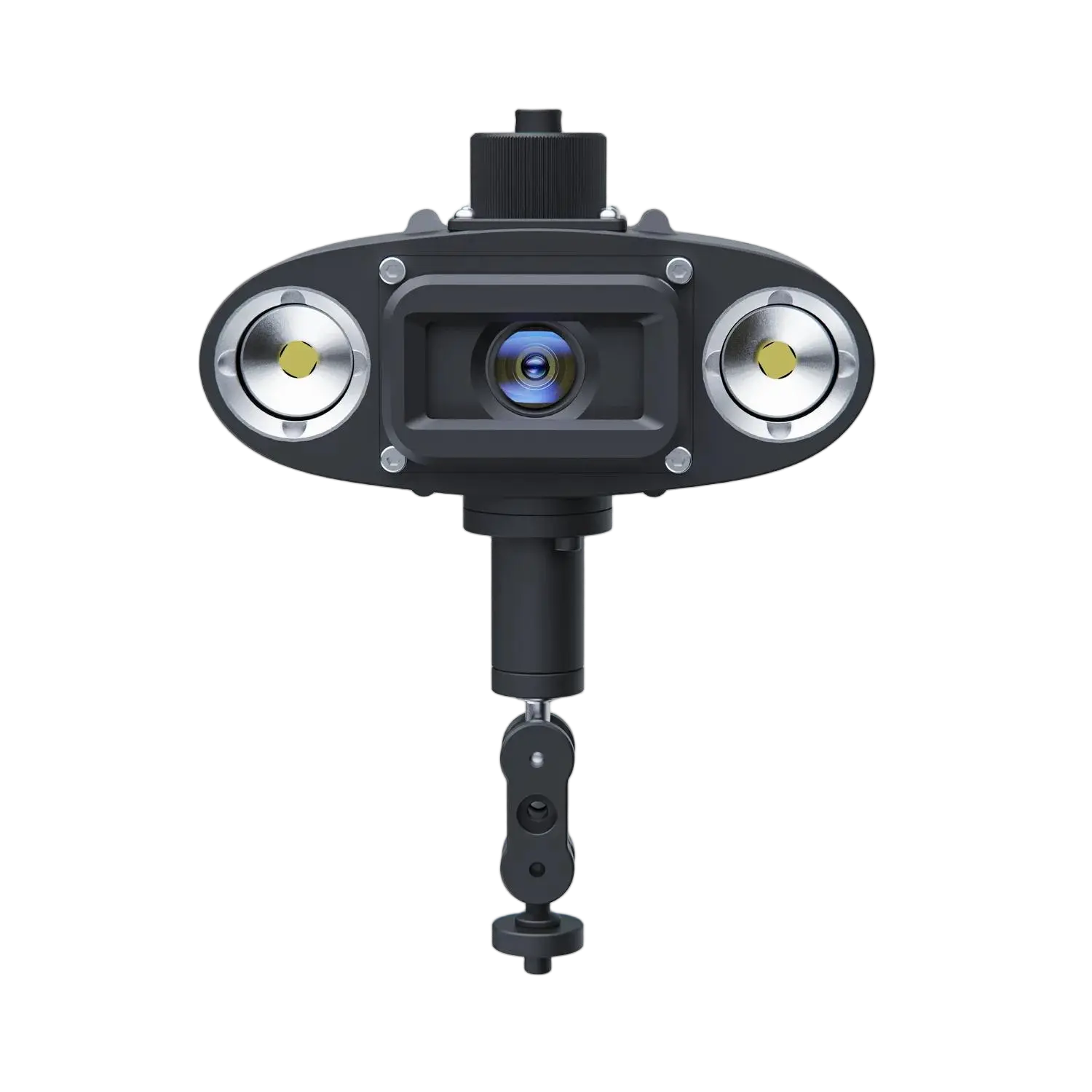
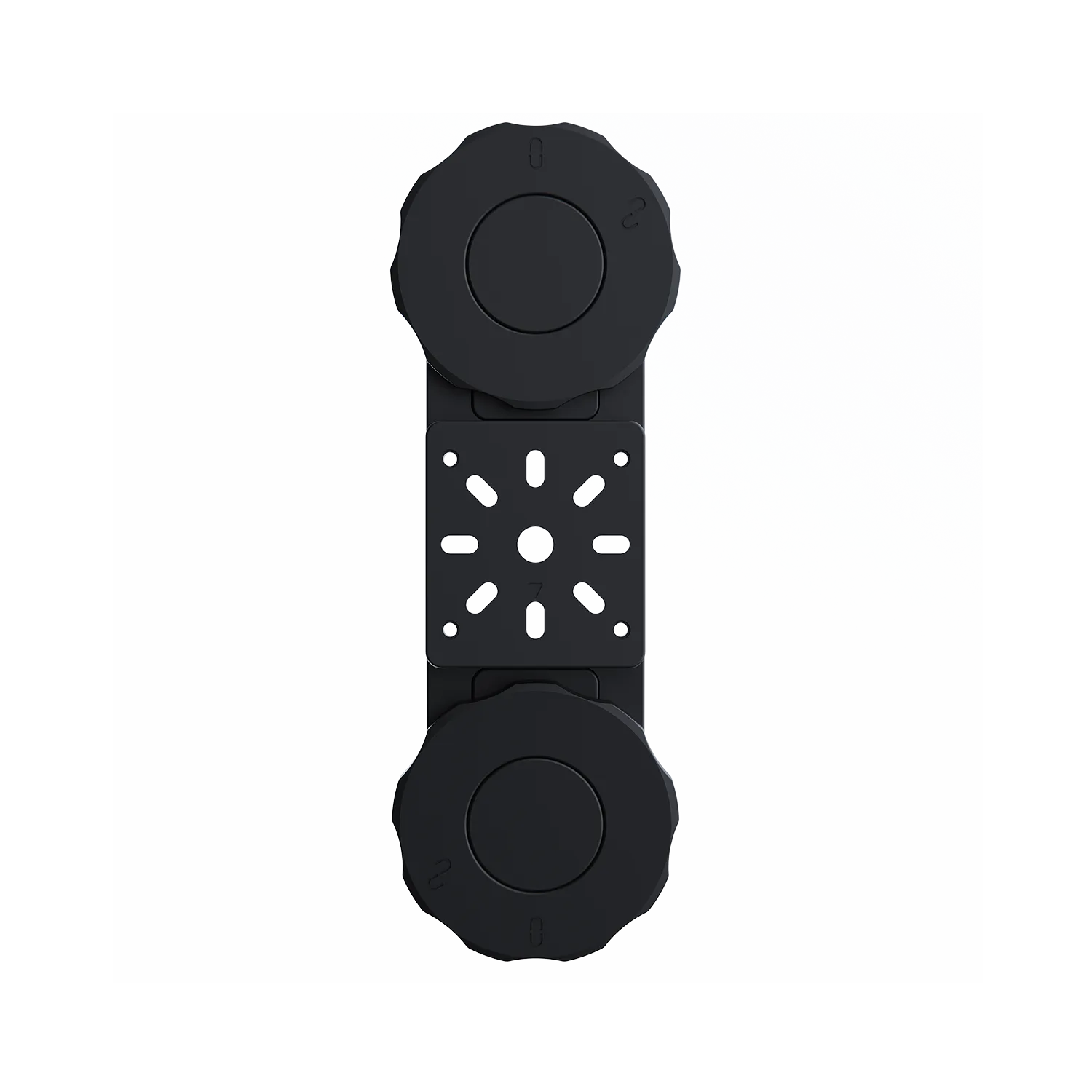
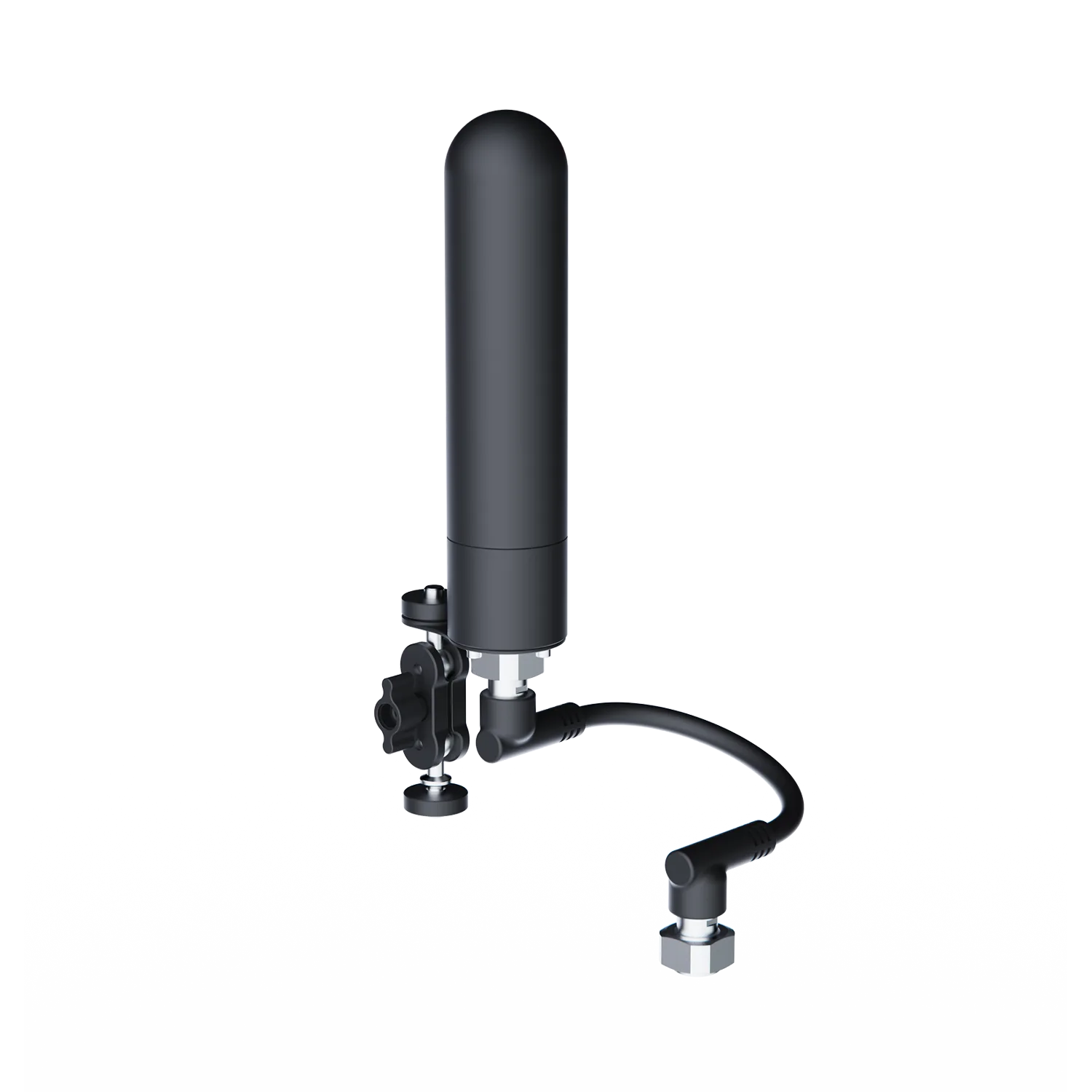
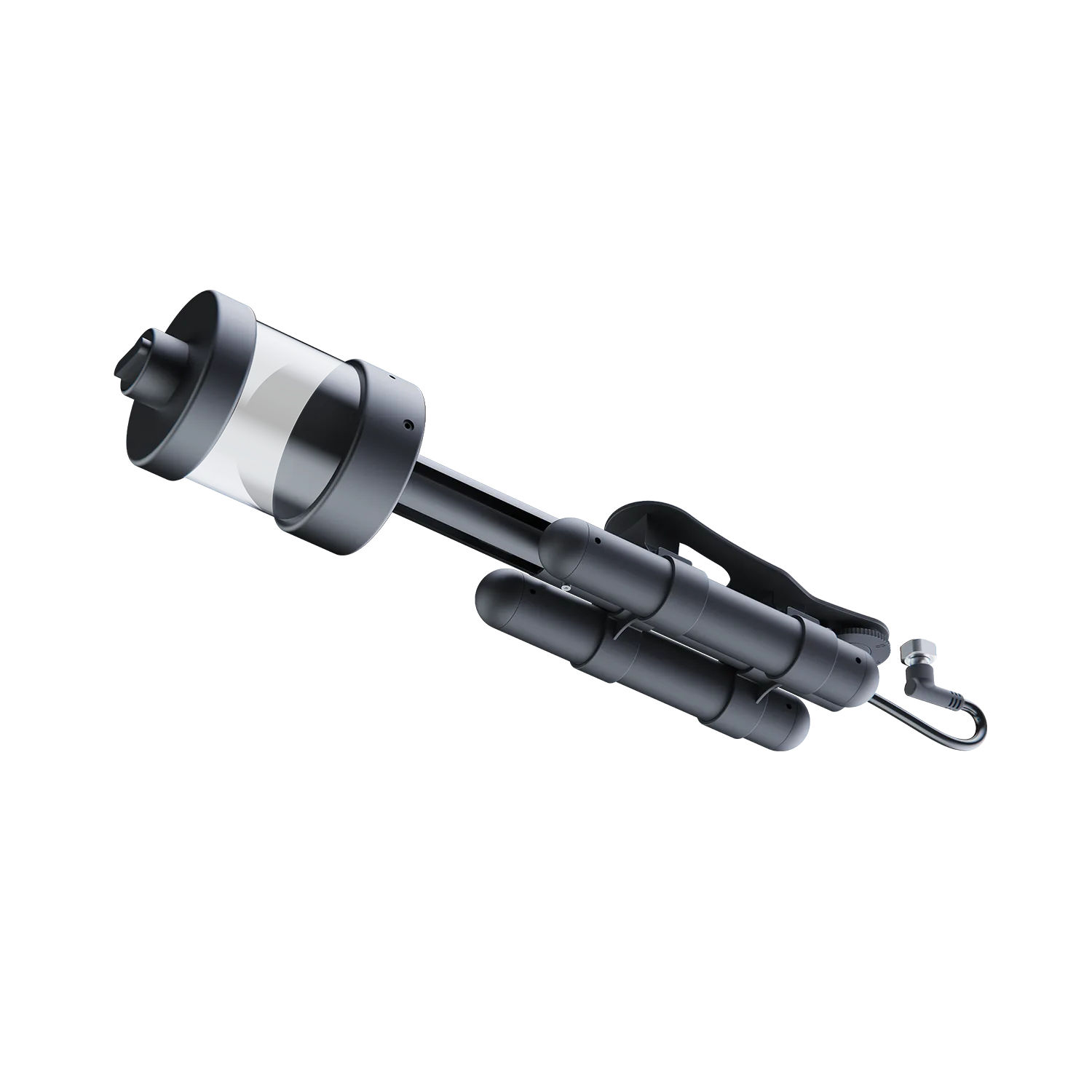
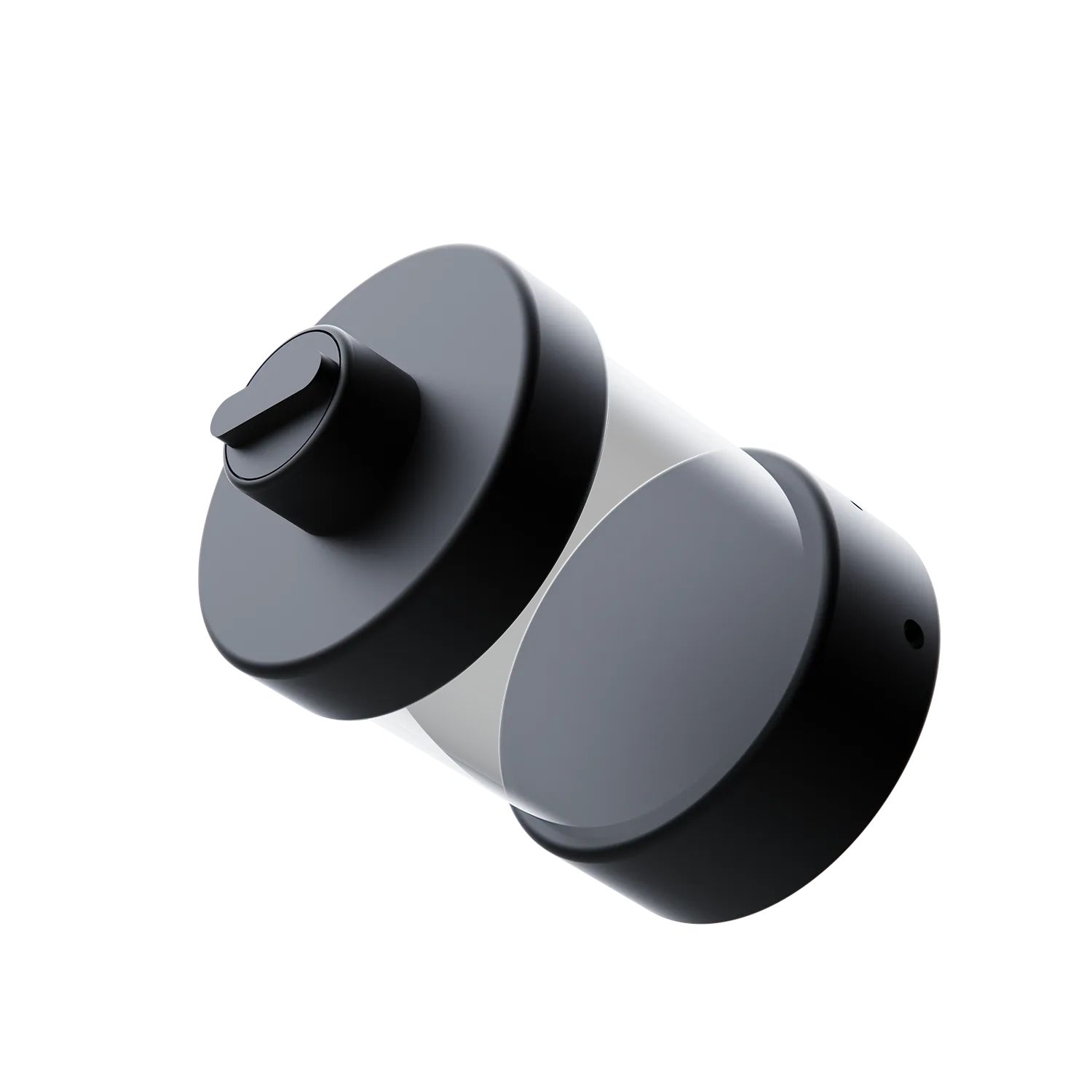
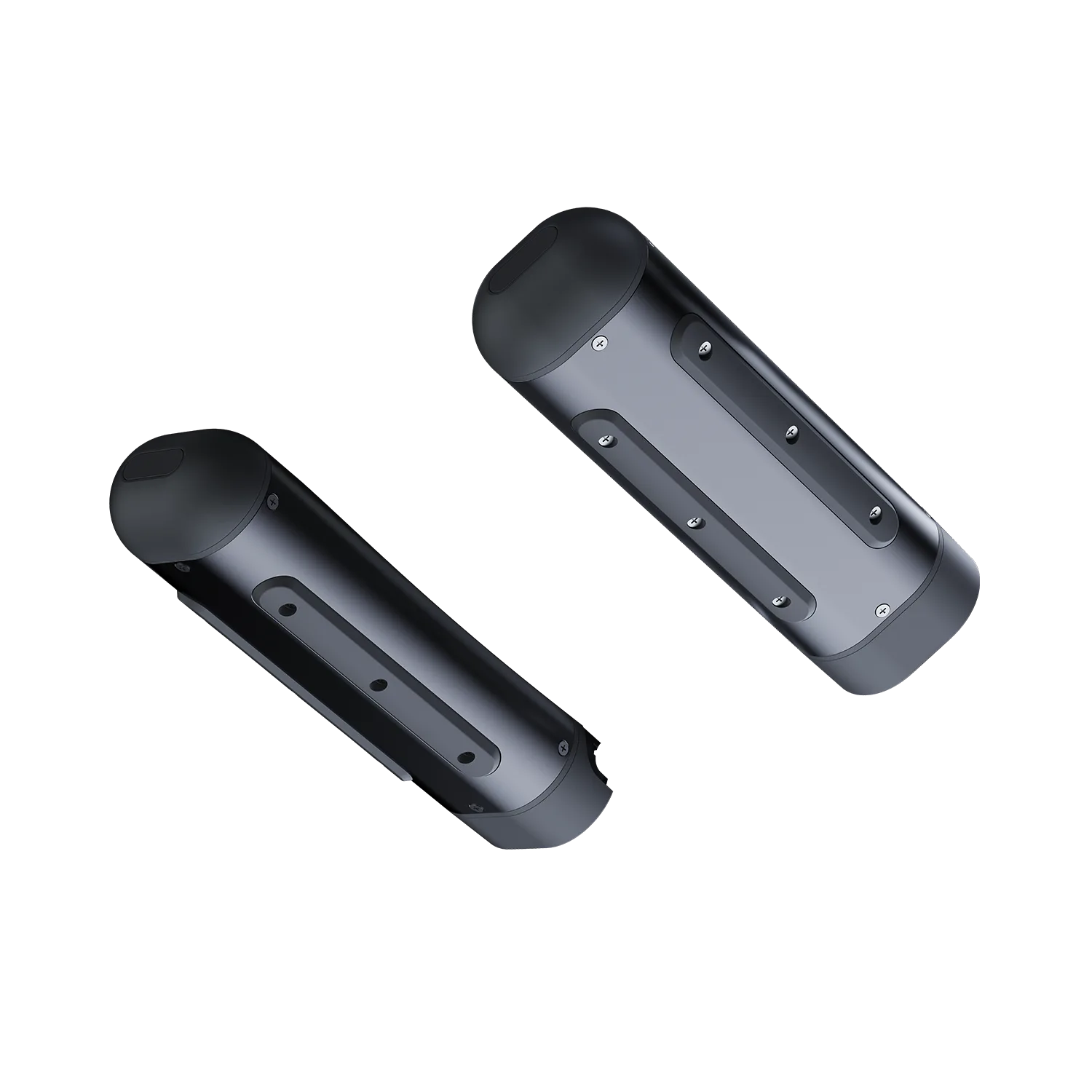
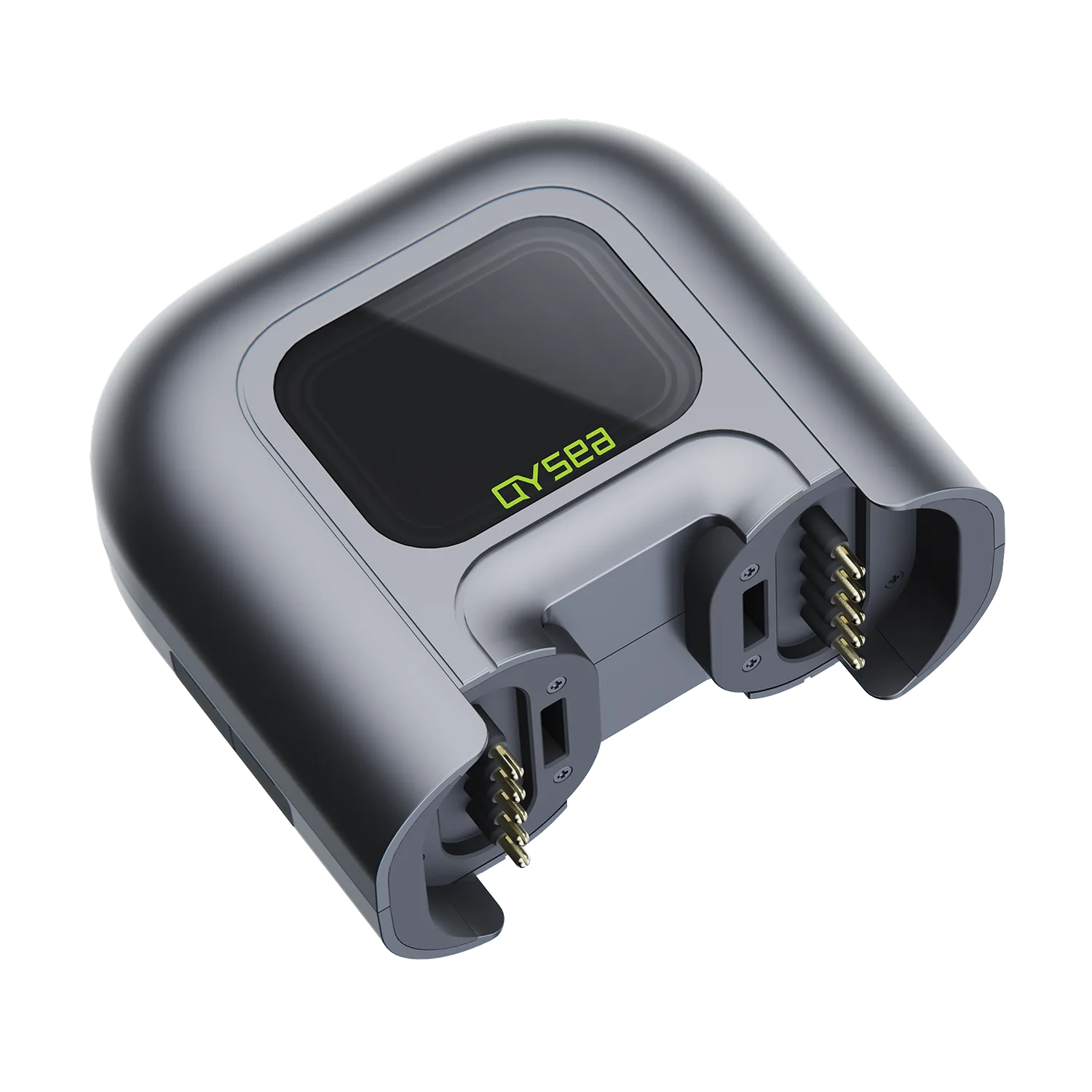


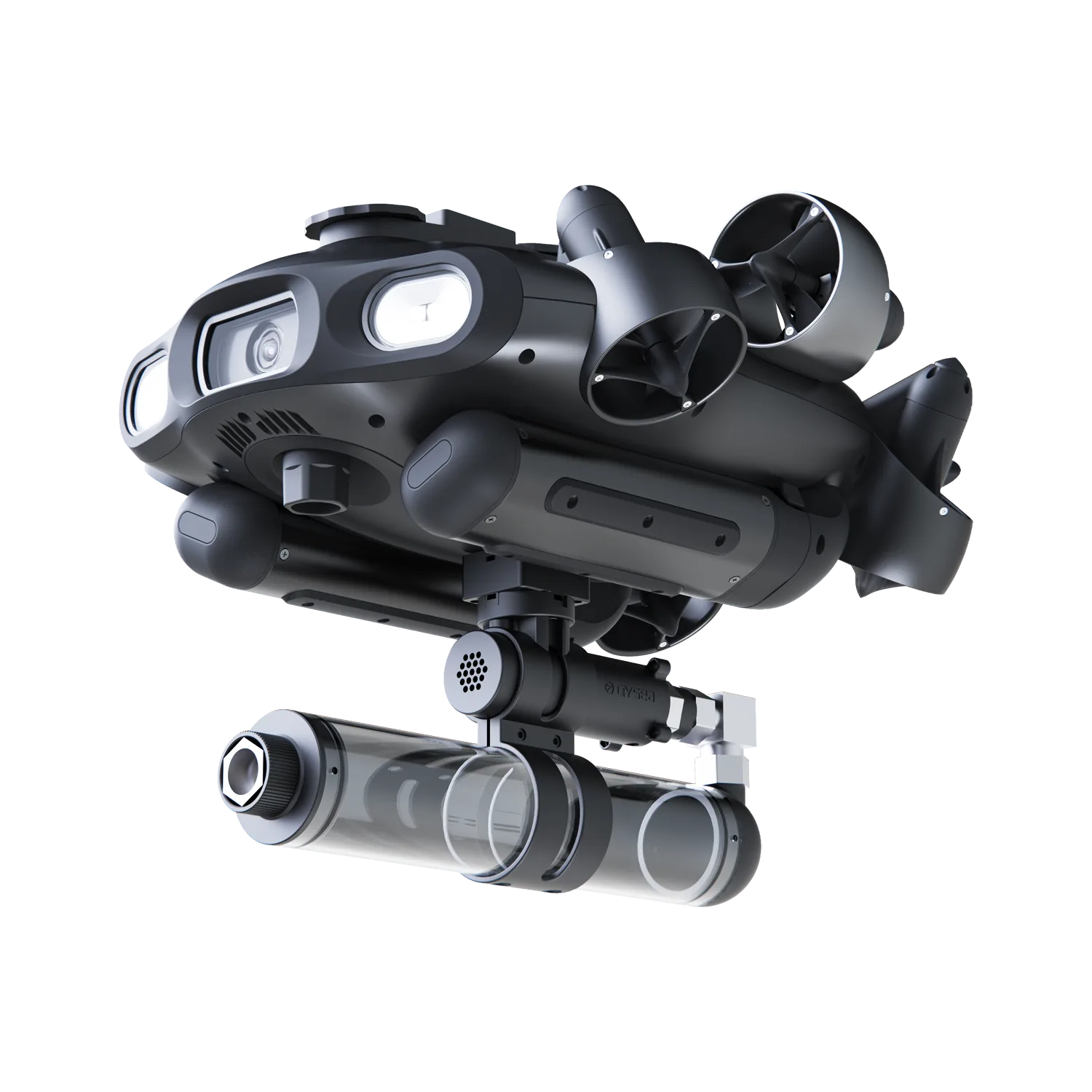
500mL Water Sampler Support
Find operation guides, app downloads, troubleshooting, and FAQs for 500mL Water Sampler.
Contact Us
Request User Manual
Please fill out the form to receive the user manual or operational guides of the FIFISH ROV accessories.
Download the QYSEA APP for iOS or Android to access product connectivity and APP-based functions. Choose the version that matches your device.
*APK is available for Android devices without Google Play access.


Frequently Asked Questions
Have questions about our underwater ROVs or your order? We’re here to help!

We are always here to help. Please feel free to contact us if you need assistance.Average response time: Within 24 hours.
How do I operate the sampler underwater?
The sampler is controlled through the FIFISH APP.
1. Navigate to the target depth and location.
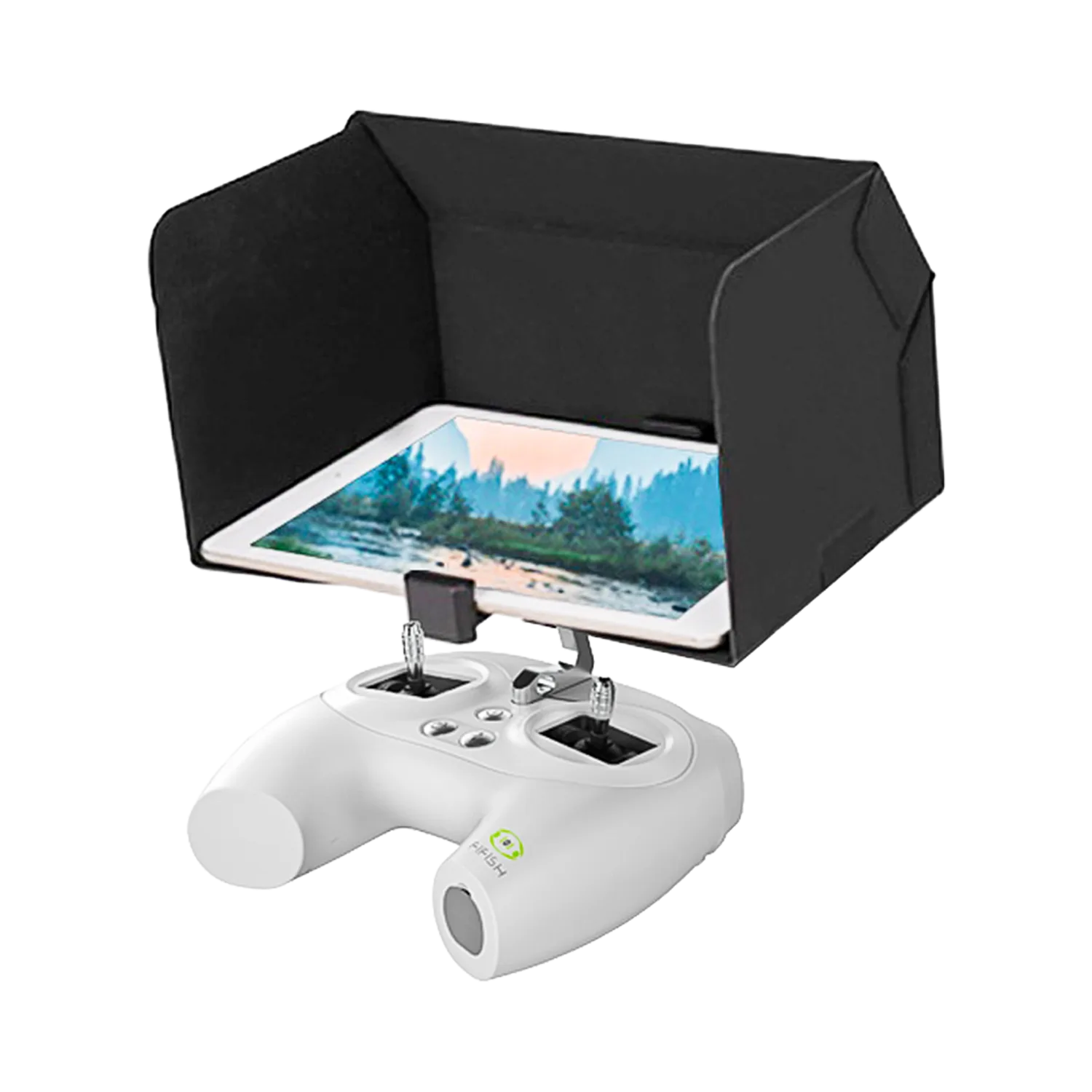
2. Switch the remote control to A Mode.
3. Operate the water sampler using the right dial on the remote controller.
How do I retrieve the collected sample?
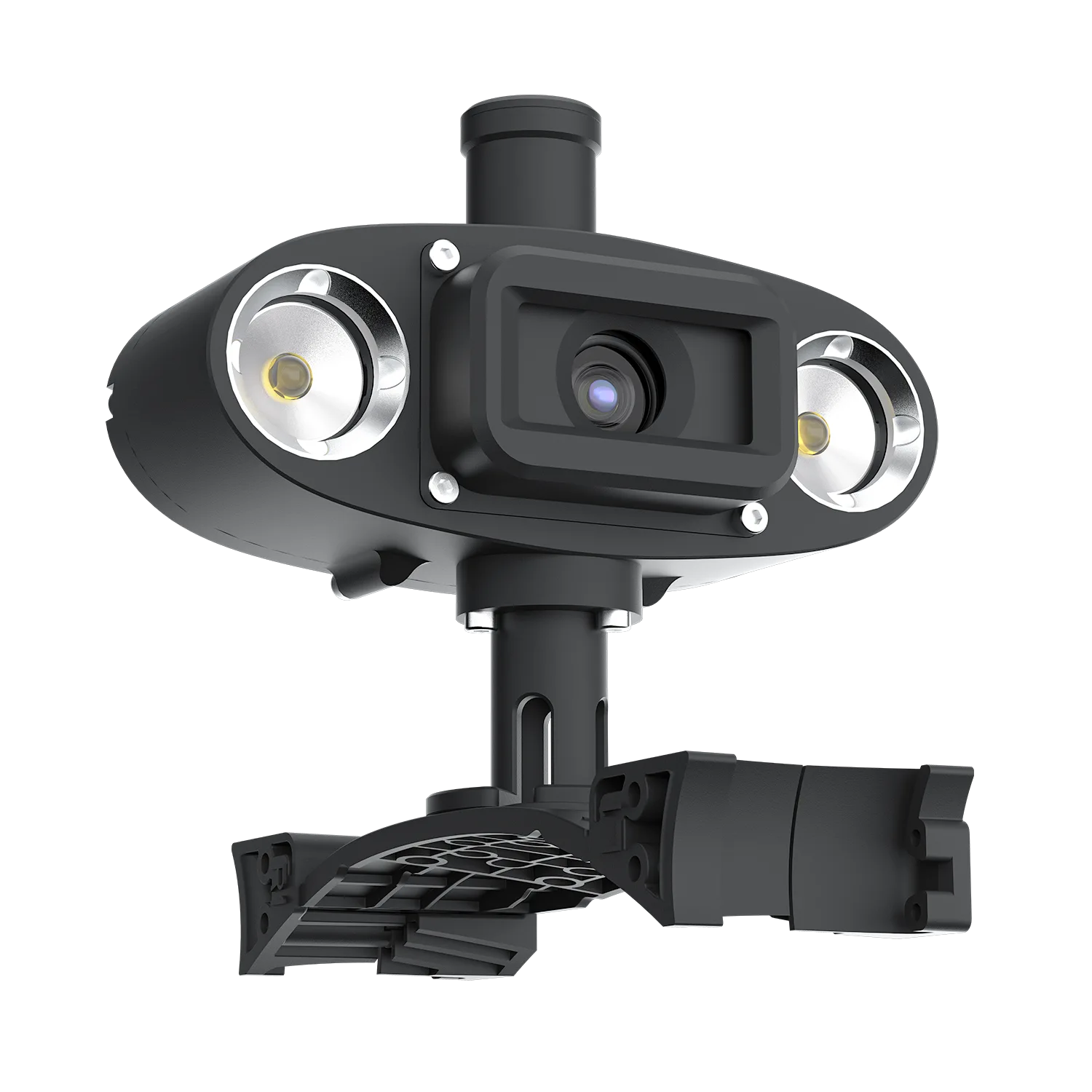
Once the ROV is recovered, disconnect the sampler from the bracket. Carefully open the designated drain valve or end cap to transfer the water into your laboratory containers.
What maintenance is required for the Water Sampler after use?
After each mission, please follow these steps:
Rinse: Thoroughly rinse both the interior and exterior of the sampler with fresh water. This is especially critical after sampling saltwater, brackish water, or contaminated environments to prevent residue buildup or corrosion.
Seal Inspection: Periodically inspect the sealing components for any debris, wear, or damage. Ensure the contact surfaces are clean to maintain a vacuum-tight seal for your next mission.
Storage: Once fully dry, store the sampler in a cool, dry environment away from direct sunlight.
For further technical support or detailed cleaning procedures, please contact our service team.
Can I record the exact coordinates of the location where a water sample was collected?
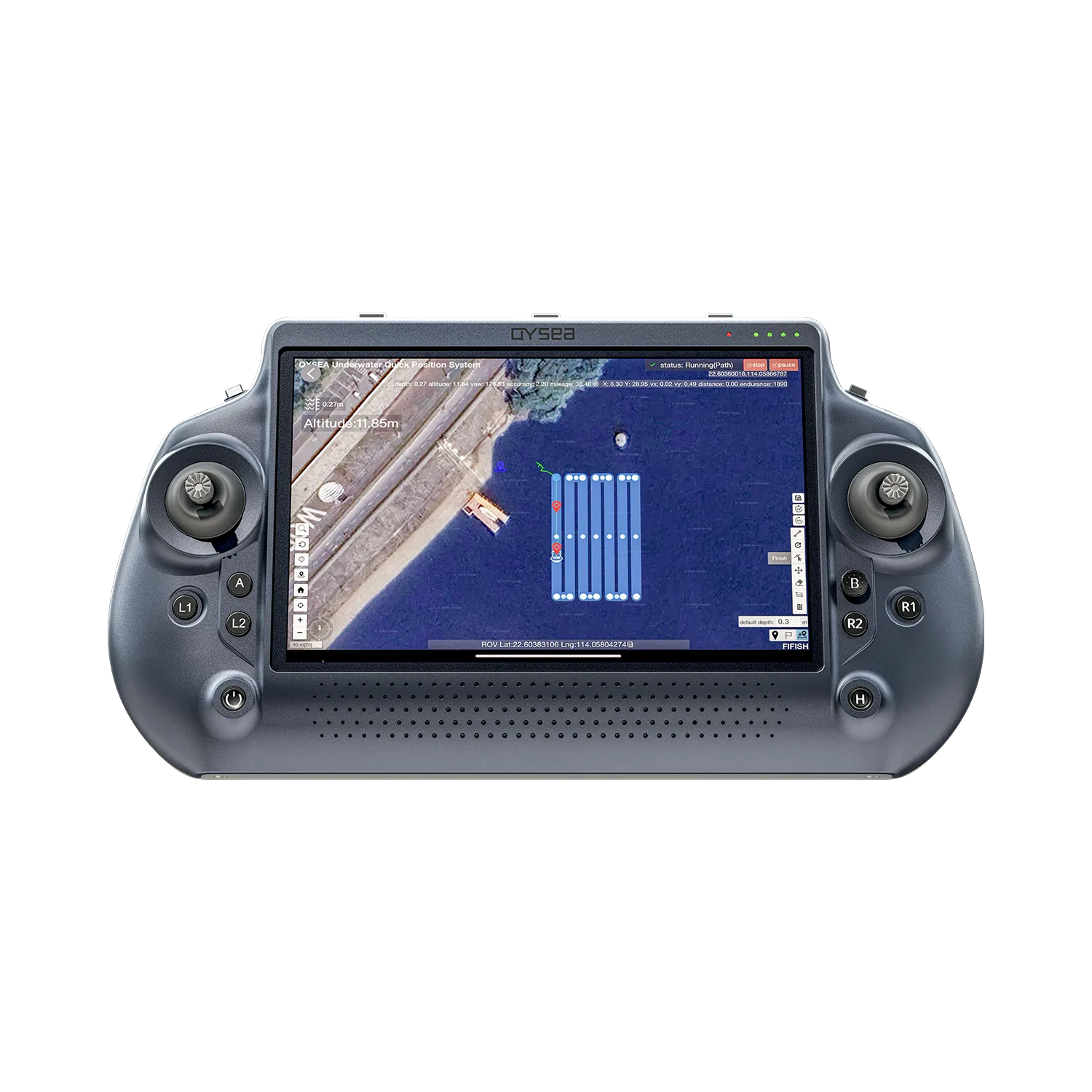
Yes. To achieve high-precision positioning for your samples, we recommend using the GNSS Locator (compatible with the E-GO series). By using this module, the ROV can record real-time GPS coordinates when it is at the surface. For underwater sampling, the system logs the last known coordinates or works in conjunction with our positioning software to help you tag and map the specific location of every 500ml sample for later analysis.
We are always here to help. Please feel free to contact us if you need assistance.Average response time: Within 24 hours.