

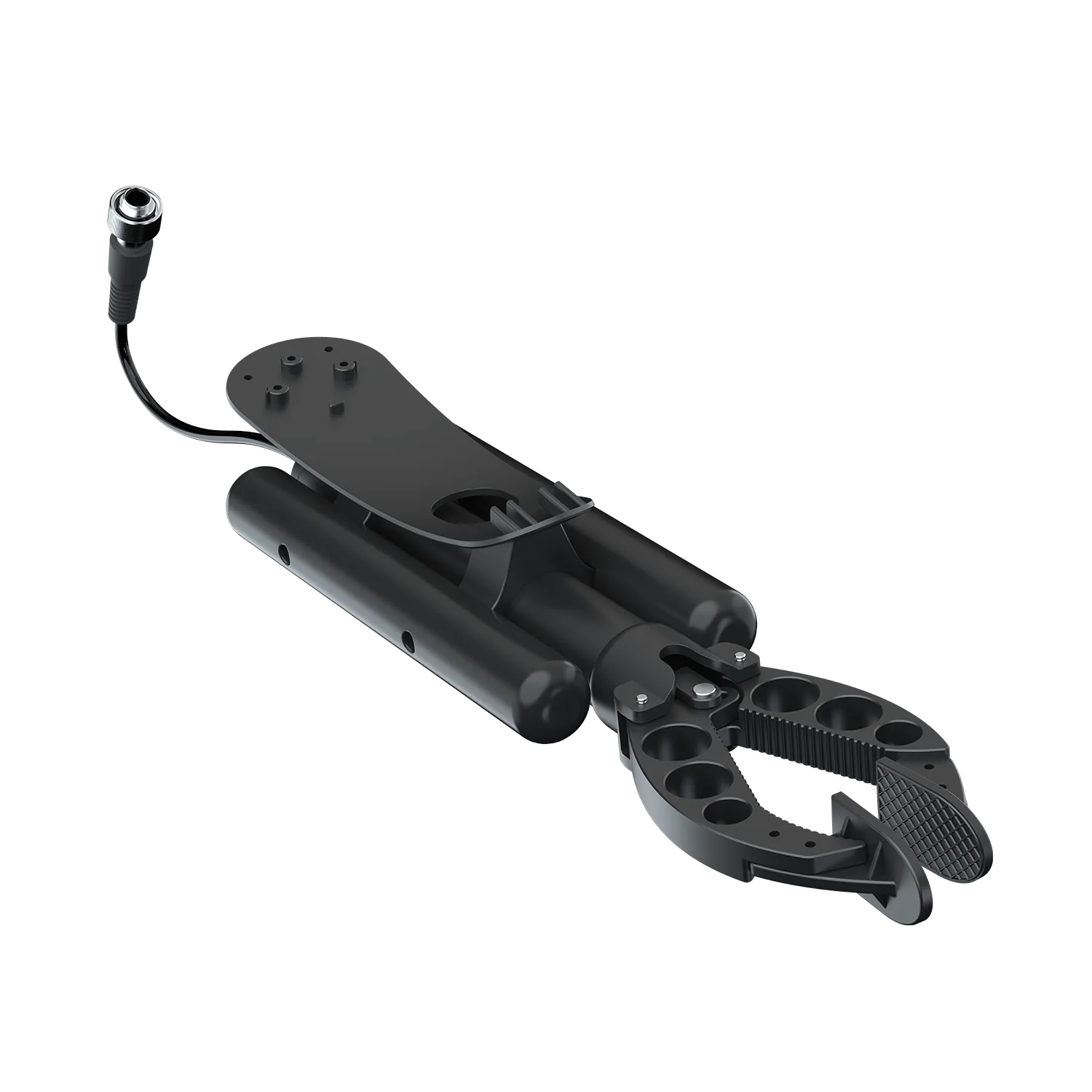
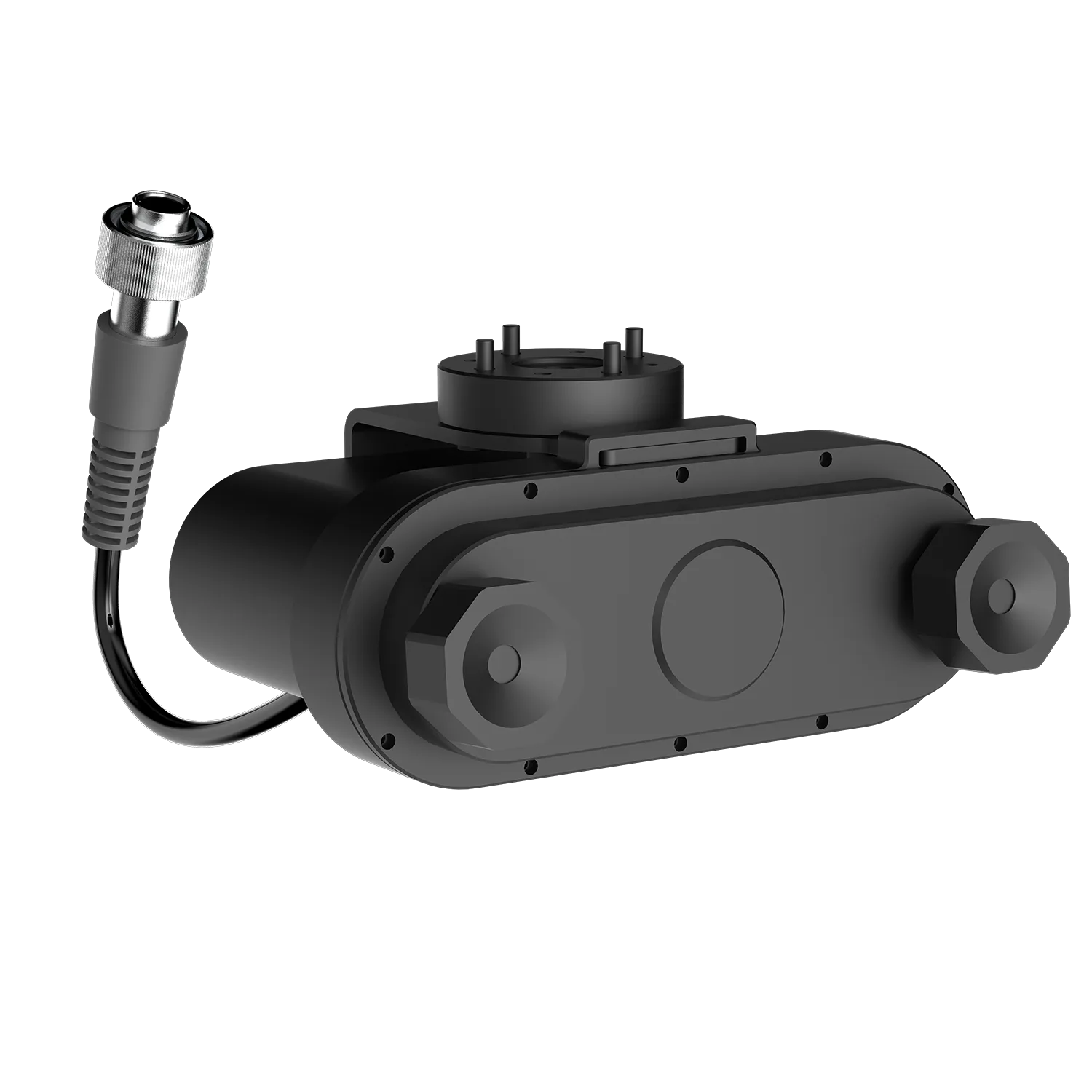
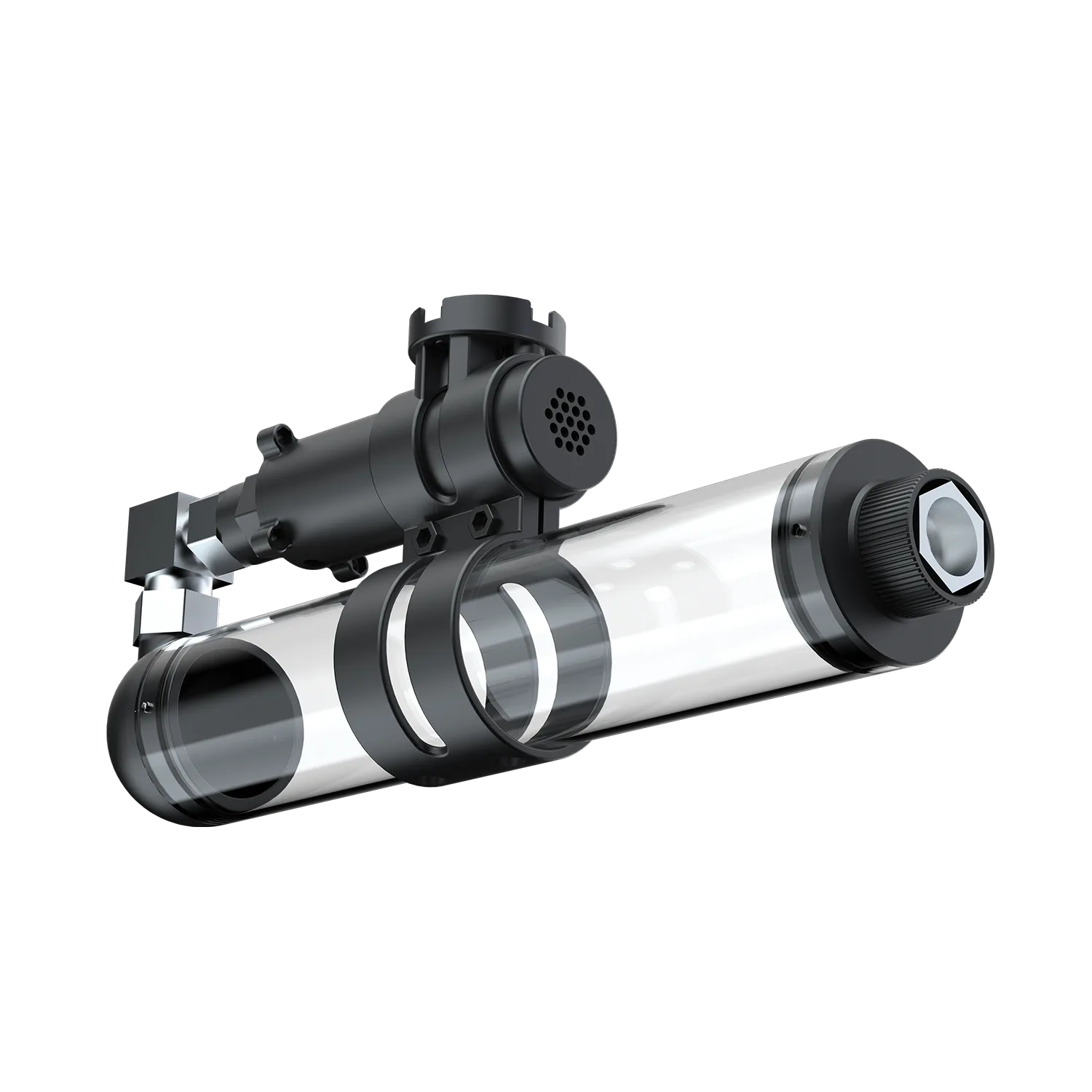
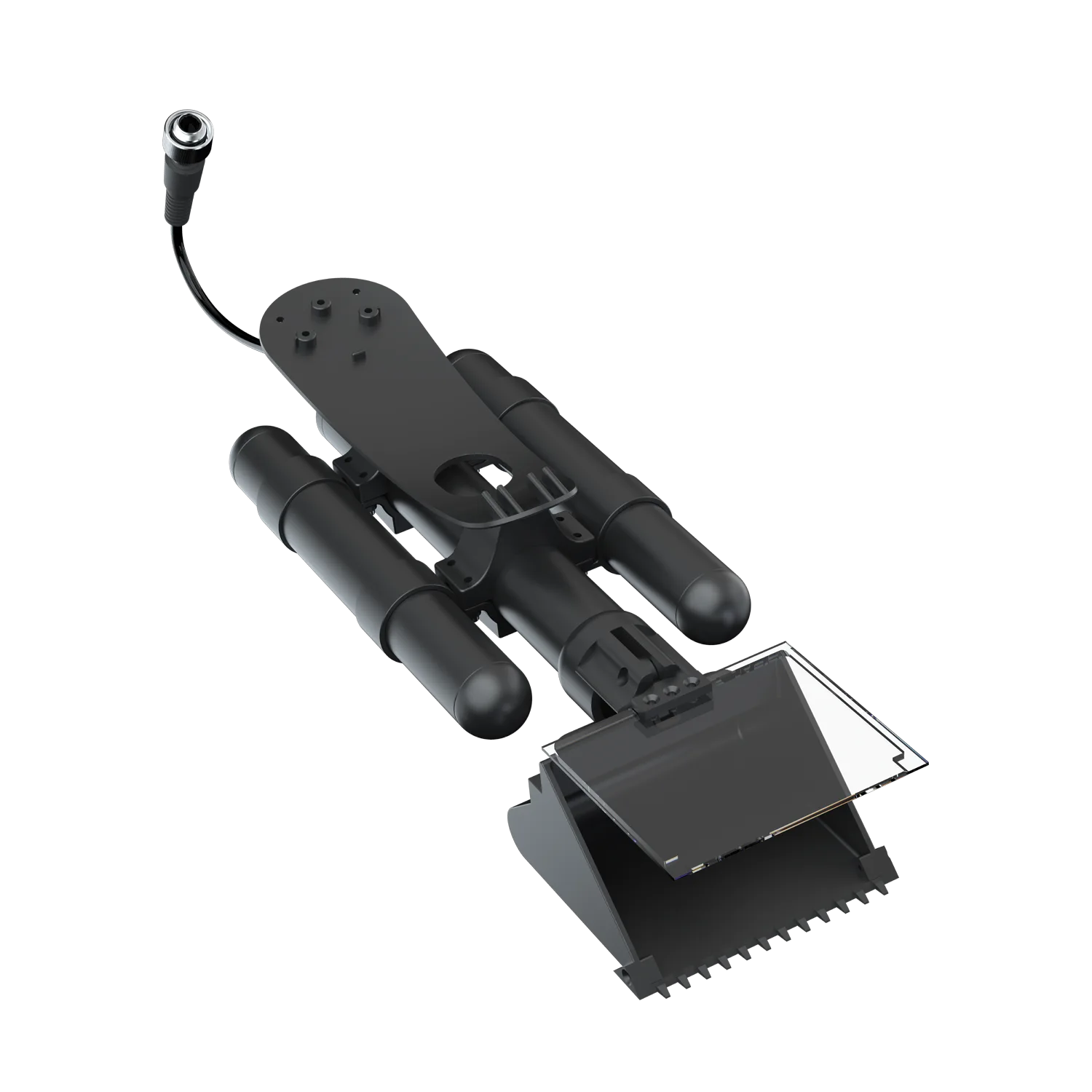
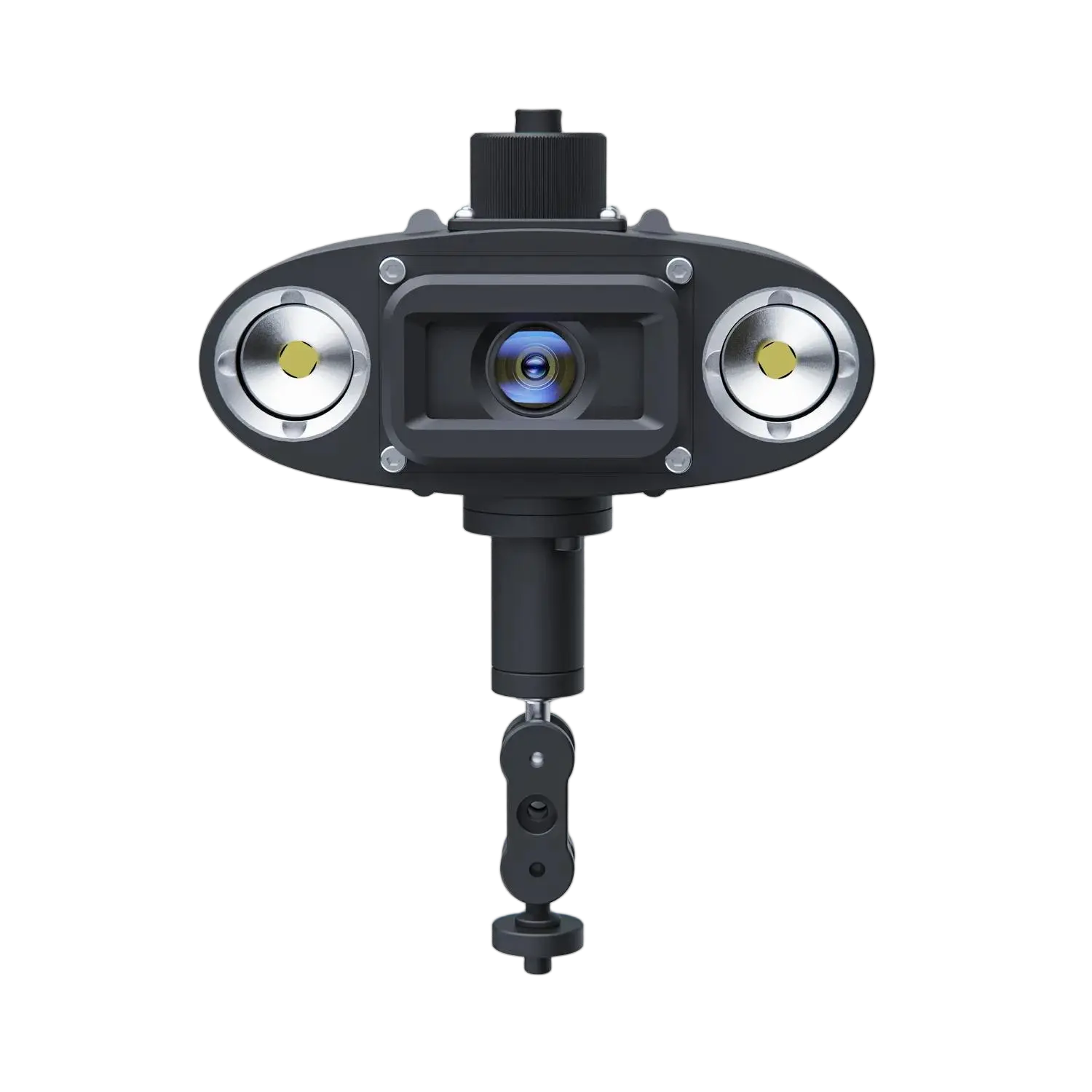


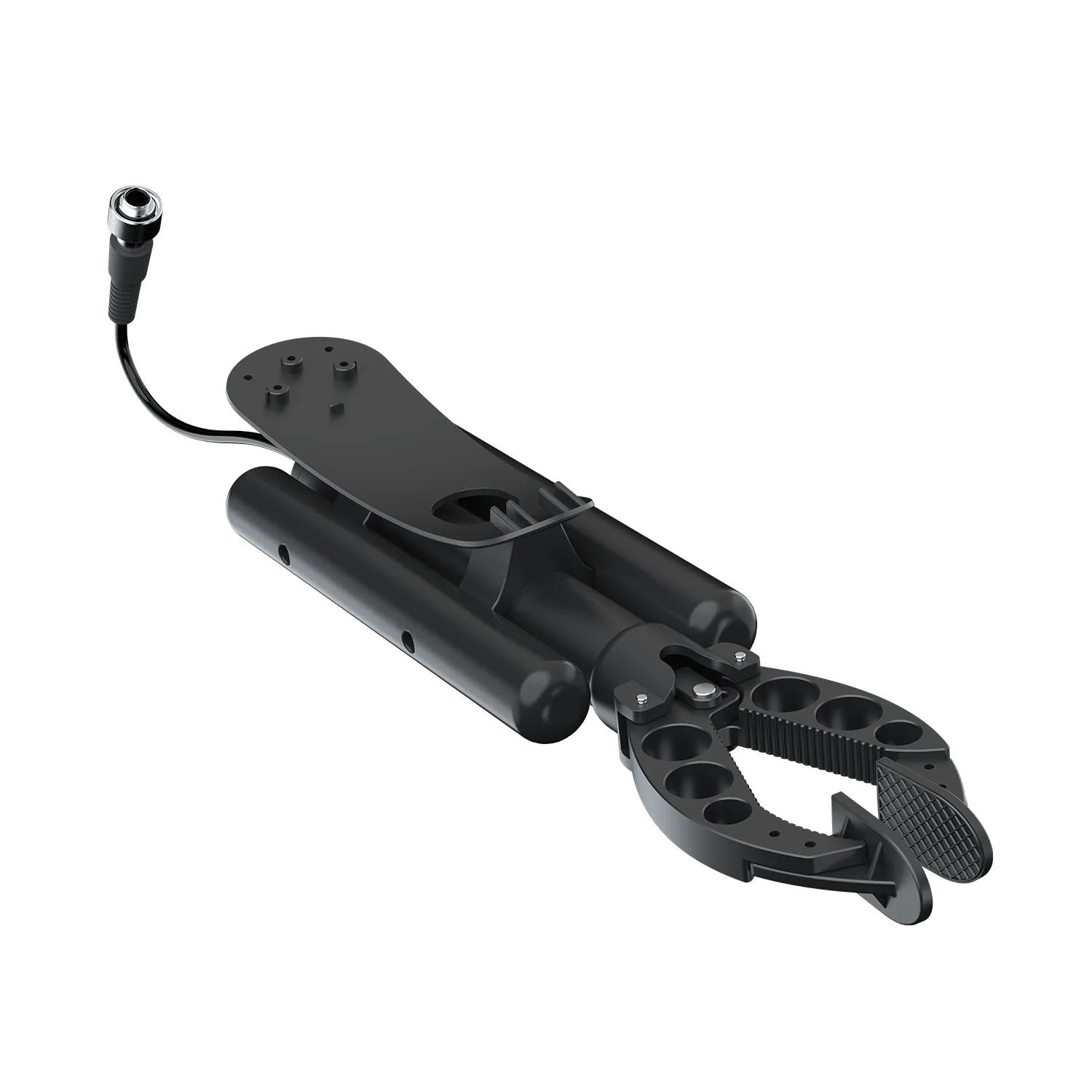
2-Finger Robotic Arm Support
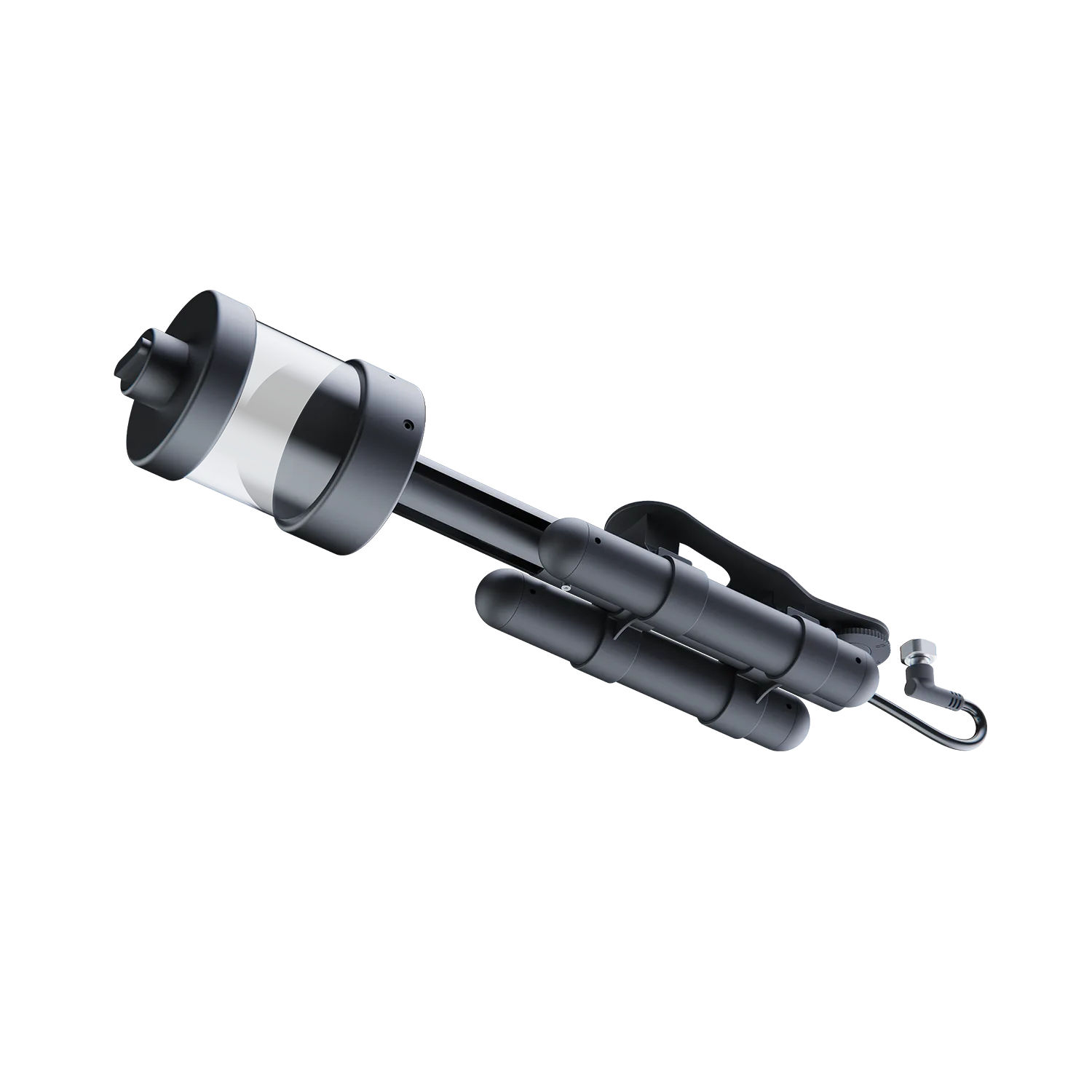
Find manuals, video tutorials, app downloads, troubleshooting, and FAQs for 2-Finger Robotic Arm.
Tutorial Video
Use Guide (V-EVO & V6 EXPERT)
Use Guide (E-GO)

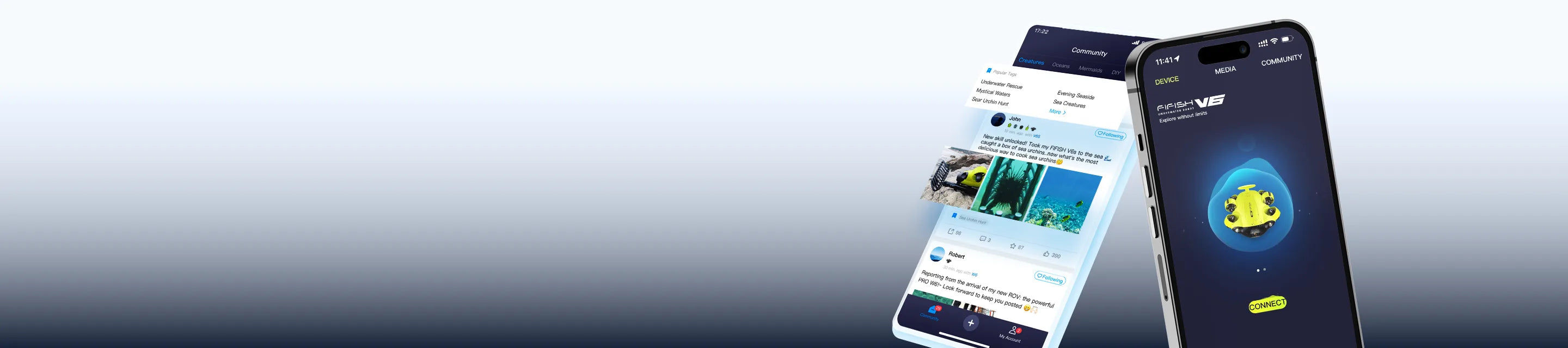
Download the QYSEA APP for iOS or Android to access product connectivity and APP-based functions. Choose the version that matches your device.
*APK is available for Android devices without Google Play access.


Contact Us


Need Help Finding the Right Resource?
Browse by product, accessory, or software to find manuals, downloads, and setup materials. Need more help? Contact our support team for assistance.

We are always here to help. Please feel free to contact us if you need assistance.Average response time: Within 24 hours.
How do I install the robotic arm on the FIFISH ROV?
To ensure a safe and secure setup, please follow these steps while the ROV is powered off:
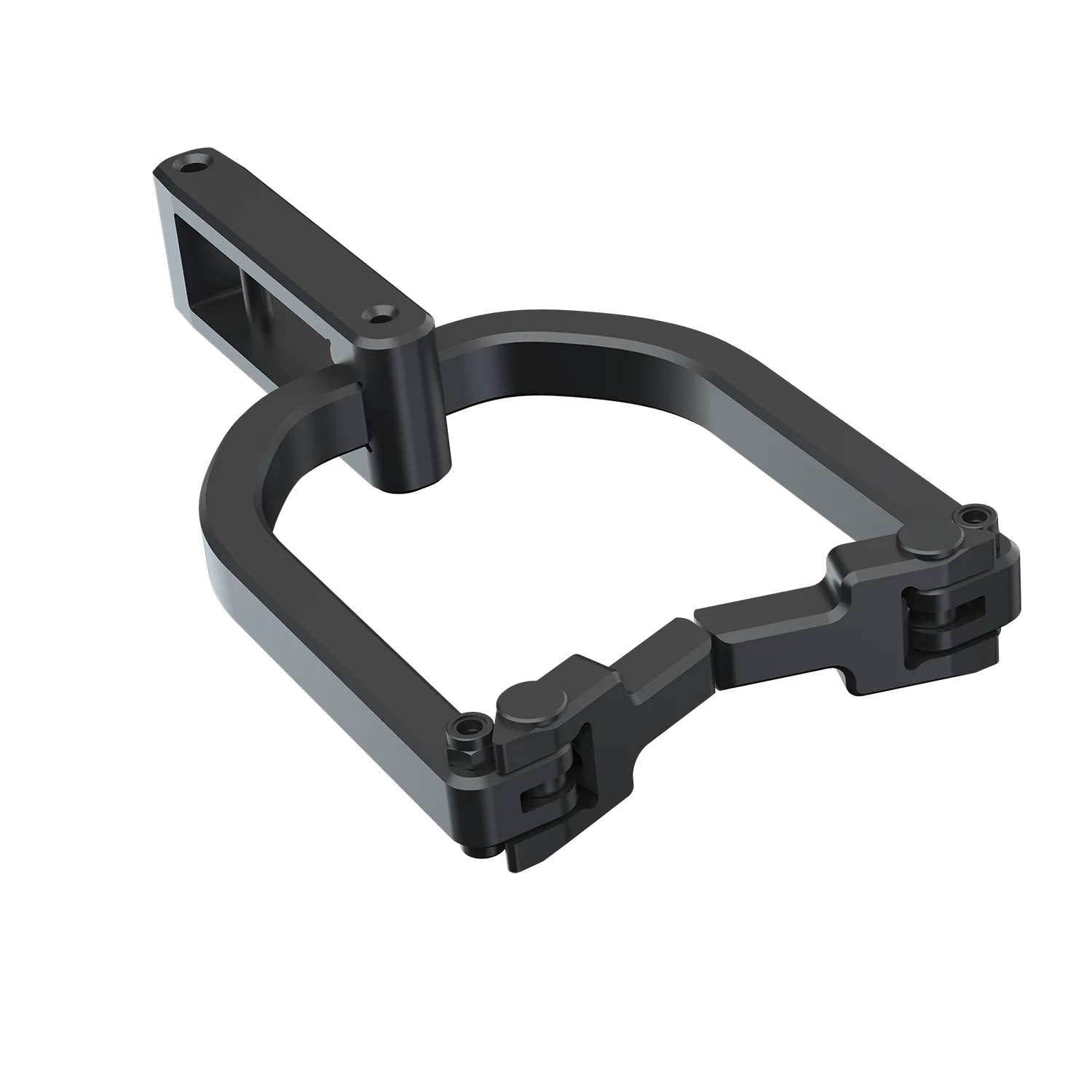
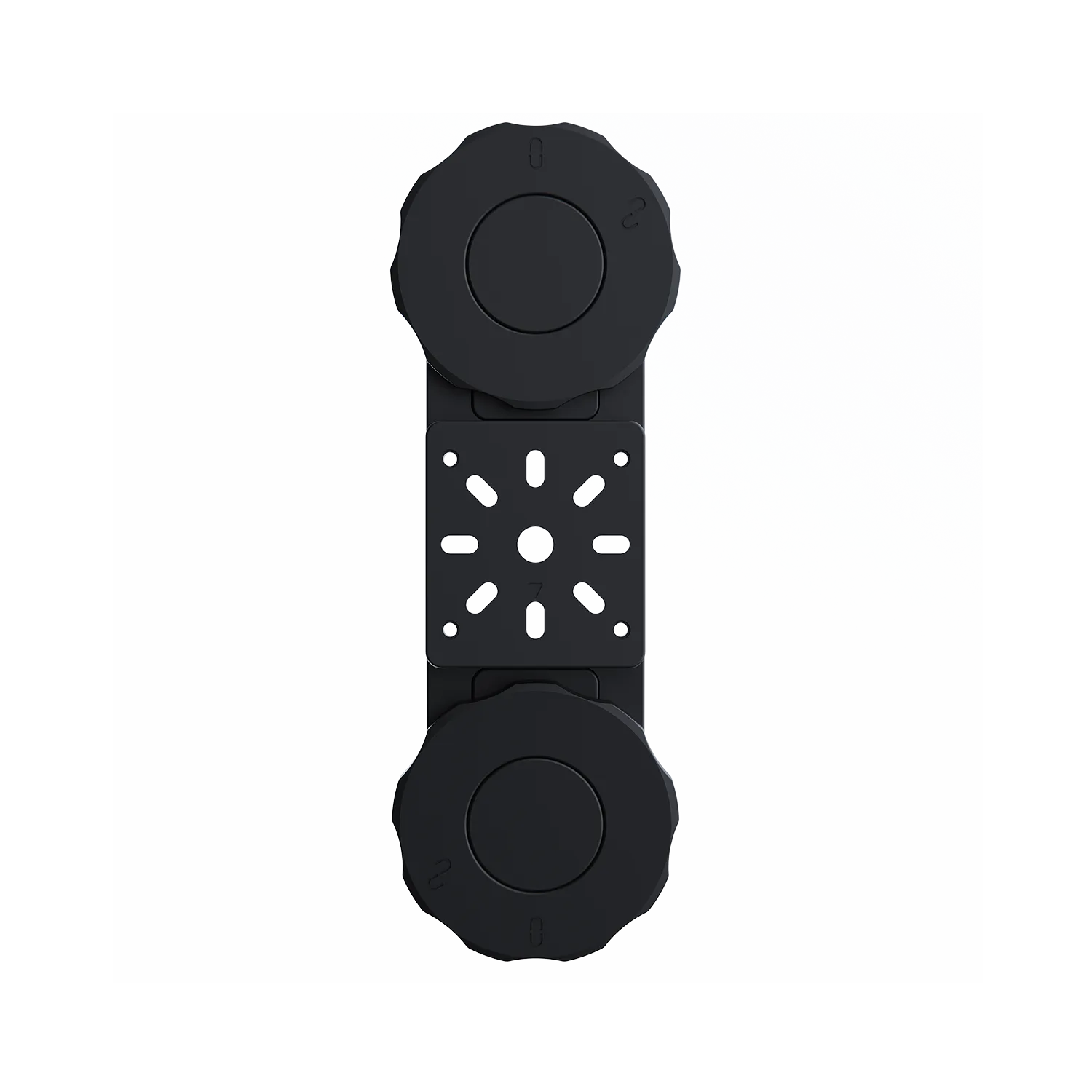
Mounting: Attach the robotic arm bracket to the designated mounting hole located on the underside of the ROV body.
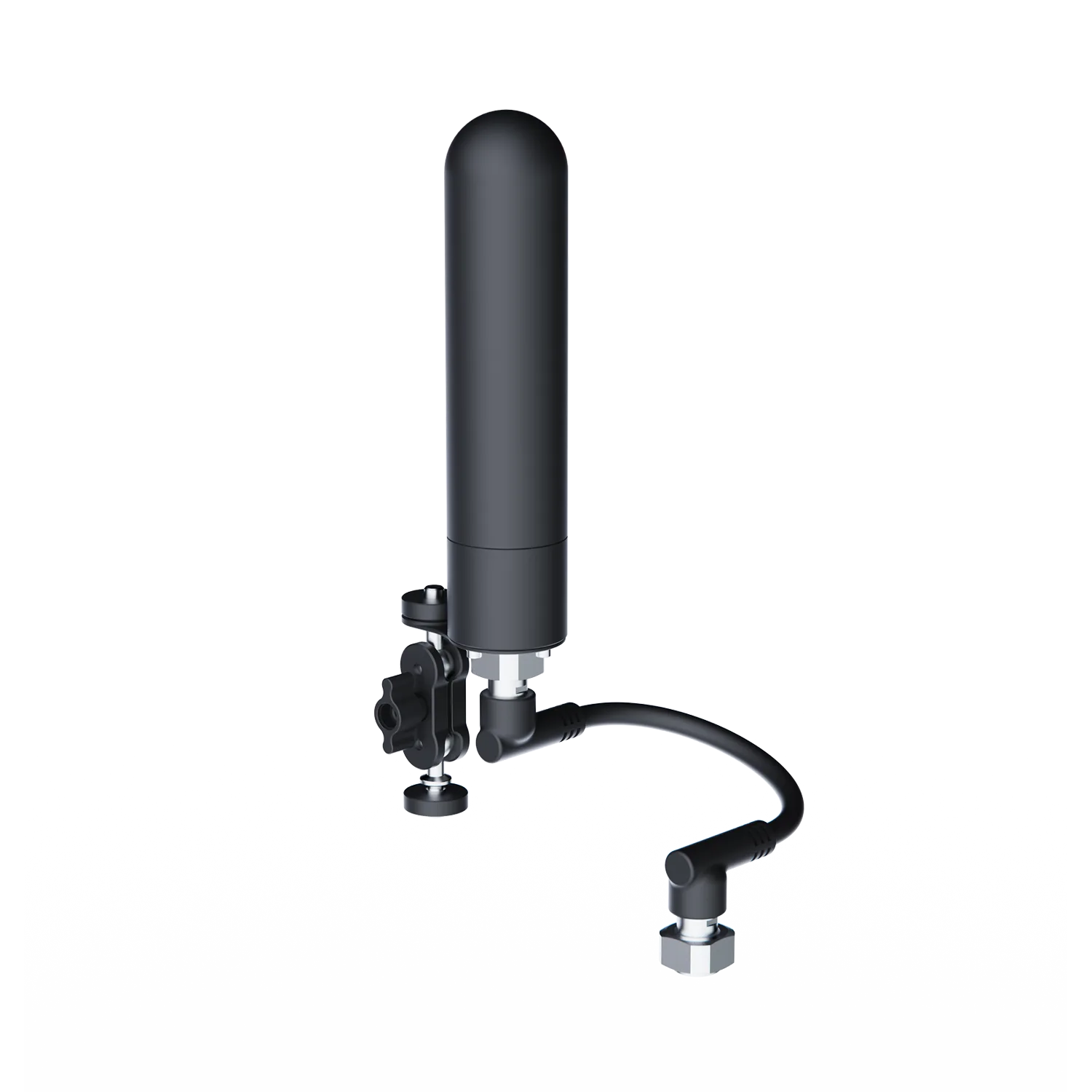
Connection: Plug the arm’s connector cable into the Q-Interface port.
Final Check: Ensure all screws are tightened and the cable is securely locked. For detailed visual guidance, we recommend referring to the User Manual or our official tutorial video.
How do I operate the robotic arm using the remote controller?
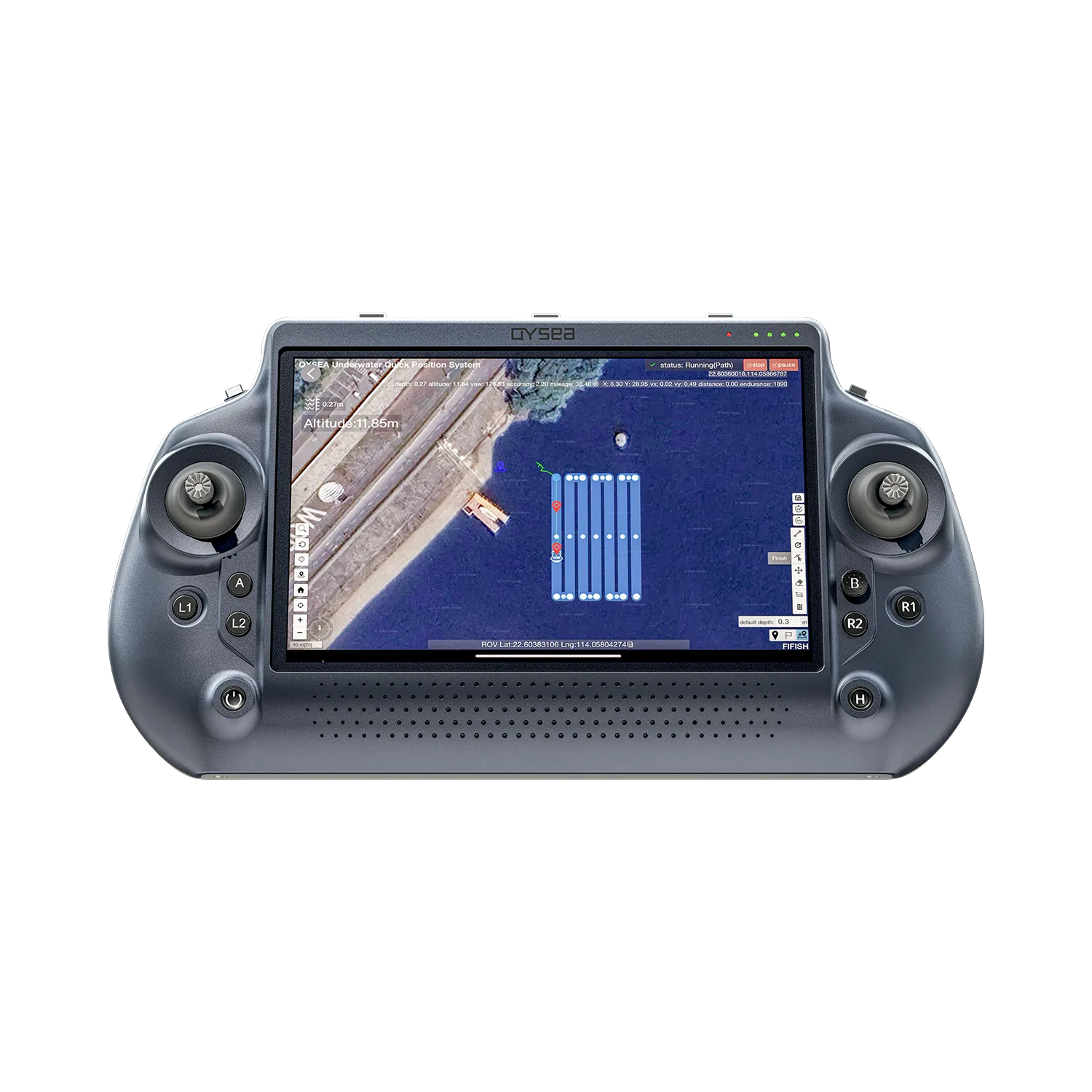
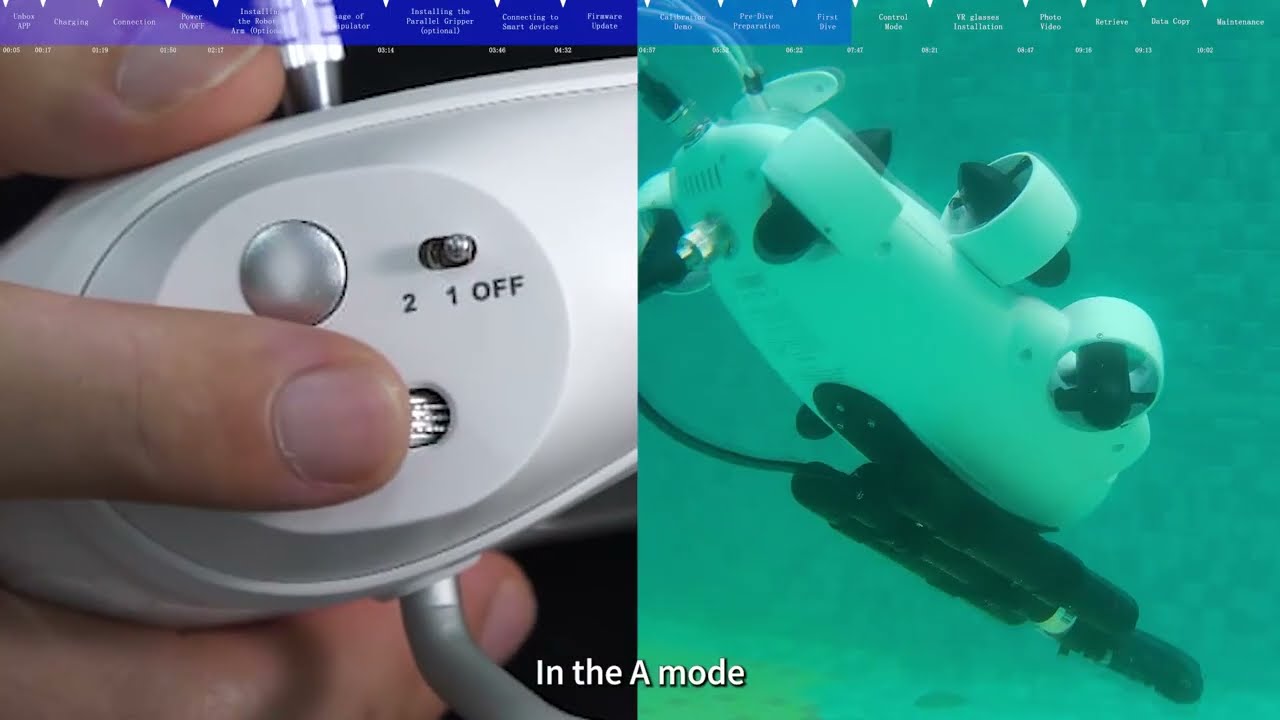
Once the ROV and remote controller are powered on, use the following controls for precise operation:
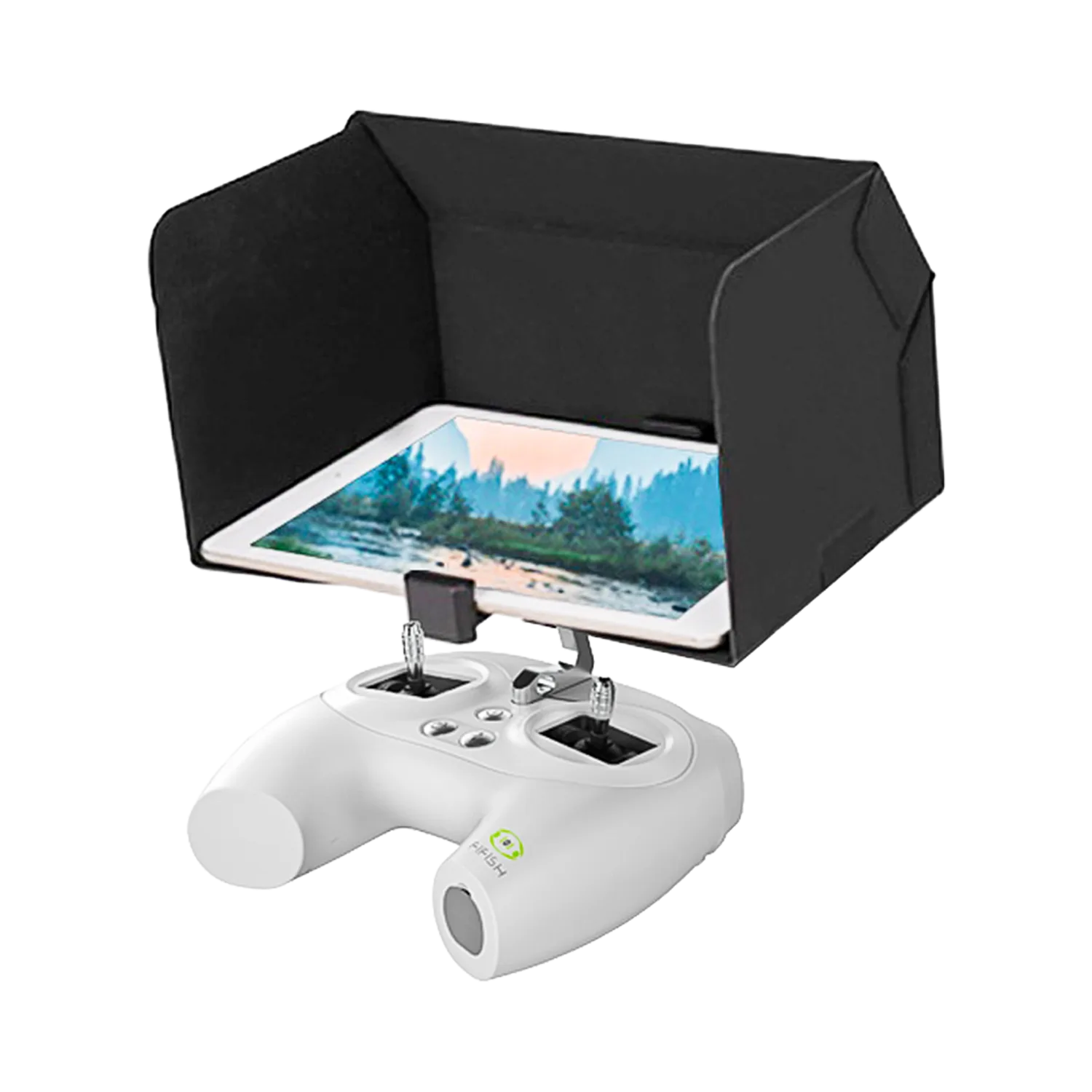
Mode Selection: Switch the control gear to A-Mode (located on the top-left corner of the remote controller).
Claw Control: Use the right dial (located on the top-right corner of the remote controller) to manage the grip:
Rotate Right: Opens the claw.
Rotate Left: Closes the claw.
What are the primary uses for the 2-Finger Robotic Arm?
The robotic arm significantly expands the operational capabilities of your ROV, transforming it from a visual inspection tool into an active intervention device. Key applications include:
Retrieval & Salvage: Recovering lost items such as smartphones, keys, sunglasses, or small anchors from the seafloor, and larger items with retrieval hook.
Environmental Cleanup: Removing plastic waste, discarded fishing nets ("ghost nets"), and other debris from sensitive marine habitats.
Object Manipulation: Assisting in underwater tasks by moving small obstacles, clearing silt away from targets, or positioning sensors.
Utility Support: Helping to guide cables to lines, or inspecting structural details that require physical contact or movement.
We are always here to help. Please feel free to contact us if you need assistance.Average response time: Within 24 hours.