



Underwater Search and Recovery: A Complete Guide for Professionals
Key takeaways
-
Underwater search and recovery means locating a target underwater, then retrieving it safely and with a clear record.
-
Teams search in set patterns: jackstay, circle, grid and arc.
-
An ROV searches first, so people enter the water only when they are needed.
-
Sonar finds targets in zero-visibility water where a camera cannot.
-
The right ROV depends on your depth, your missions and your budget.
Underwater search and recovery is the work of locating and retrieving an object, evidence or a person from below the surface, often in poor visibility and under pressure. This guide covers how professional teams plan a search, the patterns they use, where a remotely operated vehicle (ROV) earns its place, and the field workflow that ties it together. If you run or support a dive team, it will help you work faster and safer and document every find. See how FIFISH fits underwater recovery and rescue work as you read.
What Is Underwater Search and Recovery?
Underwater search and recovery is the process of finding a target underwater and bringing it back to the surface. The target might be a drowning victim, a vehicle, a weapon, evidence for a case, or lost equipment. Teams work from a boat, a shoreline or the ice, and the job has two halves: the search, where you locate the target inside a defined area, and the recovery, where you secure and lift it without losing or damaging it. Good search and recovery is methodical, documented and safe, not a race.

Search and Rescue vs Search and Recovery
The two terms are not interchangeable. Search and rescue is time-critical, because there is a realistic chance of saving a life, so speed comes first. Search and recovery happens when a rescue is no longer possible, so the priority shifts to a careful, respectful retrieval and to preserving any evidence. Many teams train for both, but the pace and mindset differ, and knowing which one you are running shapes every decision that follows.
Common Underwater Search Patterns
A search pattern keeps a team covering ground methodically, so nothing is missed and no area is searched twice. These are the patterns most teams rely on, whether a diver or an ROV is doing the searching.
Jackstay (line) search
A jackstay is a weighted line laid between two fixed points. The searcher follows it end to end, the line is moved over by a set width, and the sweep repeats. It gives tidy, overlapping coverage and holds up well in current.
Circle search
An anchored line sets the radius, and the searcher sweeps a full circle around a fixed centre point. If nothing is found, the centre is moved and the circle runs again. It suits a small, well-defined area with a strong last-known position.
Grid or parallel search
Parallel lanes cover a rectangular area, much like mowing a lawn. It is slower to set up but gives confident coverage of a large, open bottom, and it is easy to record what has been cleared.
Arc or sweep search
The searcher sweeps back and forth across an arc from a fixed point. It is useful along a shoreline, a dock or a wall, where a full circle is not possible.

The Limits of Diver-Only Methods
Divers remain essential, but a diver-only operation hits hard limits. Bottom time is short, and depth brings decompression obligations, so each search window is brief. Cold, current and zero visibility raise the risk and slow the work. Entanglement, contaminated water and unseen hazards put people in danger before a target is even found. Every dive also carries cost and fatigue, which add up quickly over a long search.
How an ROV Supports Search and Recovery
A remotely operated vehicle is a tethered underwater robot a pilot controls from the surface. It does not get cold, it does not run out of air, and it keeps a live, recorded view the whole time. Search and recovery is one of the most demanding real-world underwater drone applications, and this is where an ROV earns its place.
Fast, low-risk deployment
An ROV can be in the water in minutes and search for hours, with no one exposed to the hazard. It is the safe first look that tells you whether a diver is needed at all.
Sonar for zero-visibility water
In stained or silty water a camera sees nothing. Scanning or imaging sonar lets an ROV detect and home in on a target through the murk, then close in for a visual once it is near.
Positioning and navigation
A positioning system, plus waypoints, lets the team know where the ROV sits relative to the boat and mark exactly where a target lies, so a diver can be sent straight to it.
Cameras and lighting
A 4K camera and high-output lighting confirm the target and record the scene. Good light matters as much as the camera, because water strips colour and detail fast.
Recovery tools: gripper, hook and metal detector
With the right payload an ROV does more than look. A gripper or Retrieval Hook can attach a line or lift smaller items, and an Underwater Metal Detector helps locate metallic objects such as weapons or tools in low visibility.
Documentation and chain of custody
Every ROV dive is recorded, time-stamped and repeatable. For evidence work that matters, a continuous video record supports the chain of custody and stands up to scrutiny later.
ROV and Divers, Working Together
The strongest teams do not choose between an ROV and divers; they combine them. Use the ROV to clear the area, rule out hazards and pinpoint the target, then put a diver in the water only for the task that needs human hands. That cuts the number of dives, shortens exposure, and lets divers spend their limited bottom time on recovery rather than searching blind.

A Field Workflow for Search and Recovery
A repeatable workflow keeps a search disciplined under pressure:
-
Brief and plan. Fix the last-known position, assign roles, and agree the pattern and the search area.
-
Define the area. Set your boundaries and reference points on the surface.
-
Run the ROV sweep. Search the pattern with sonar and camera, marking anything of interest.
-
Identify and mark the target. Confirm it visually and log the position.
-
Recover. Attach a line or lift with the ROV, or send a diver straight to the marked point.
-
Document and hand off. Save the footage, positions and notes for the report.
Choosing a Search and Recovery ROV
The right ROV depends on your water and your missions. Look at depth rating and tether length for the sites you cover, whether it accepts sonar and a positioning system, what recovery tools it can carry, how fast it deploys, and how it fits your budget.
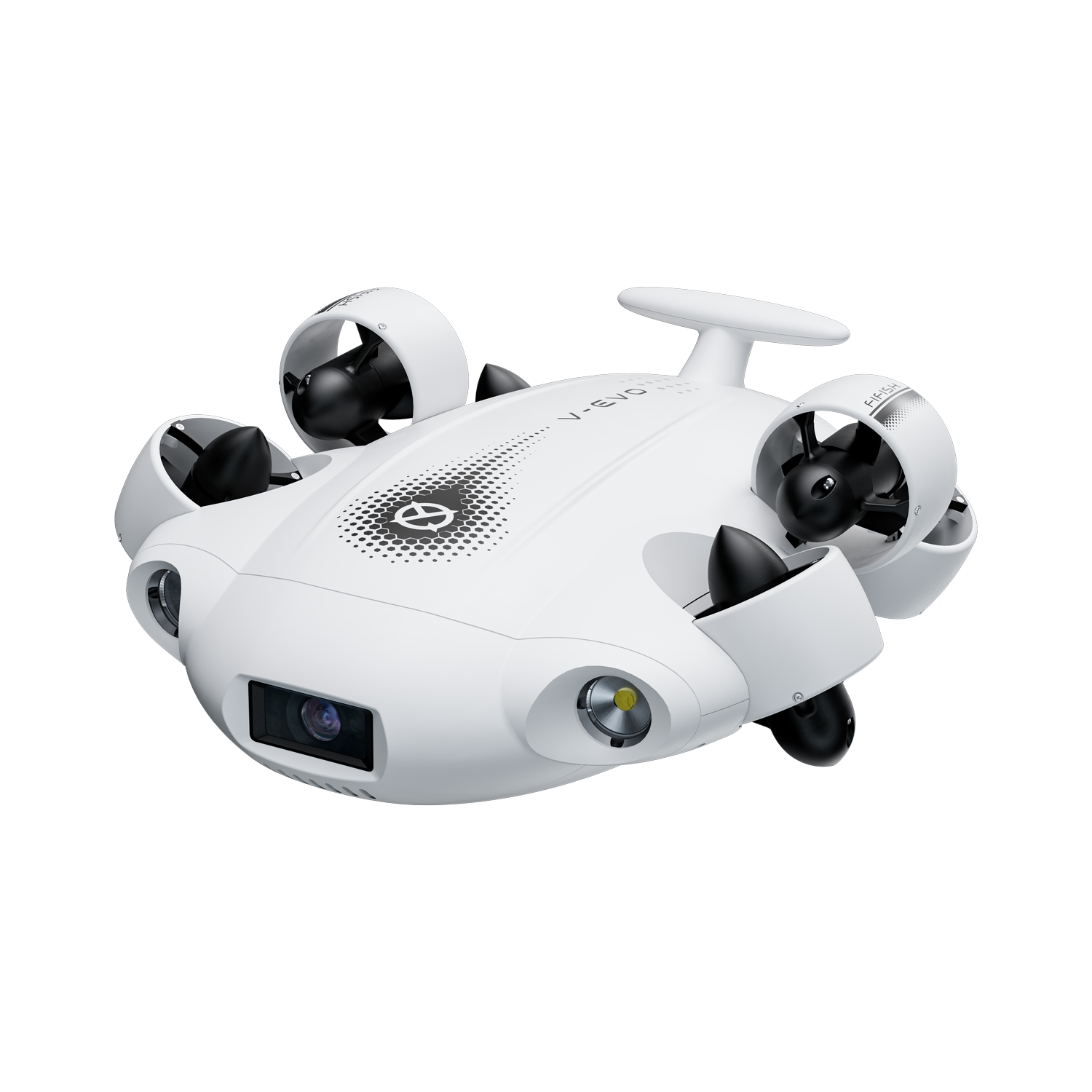
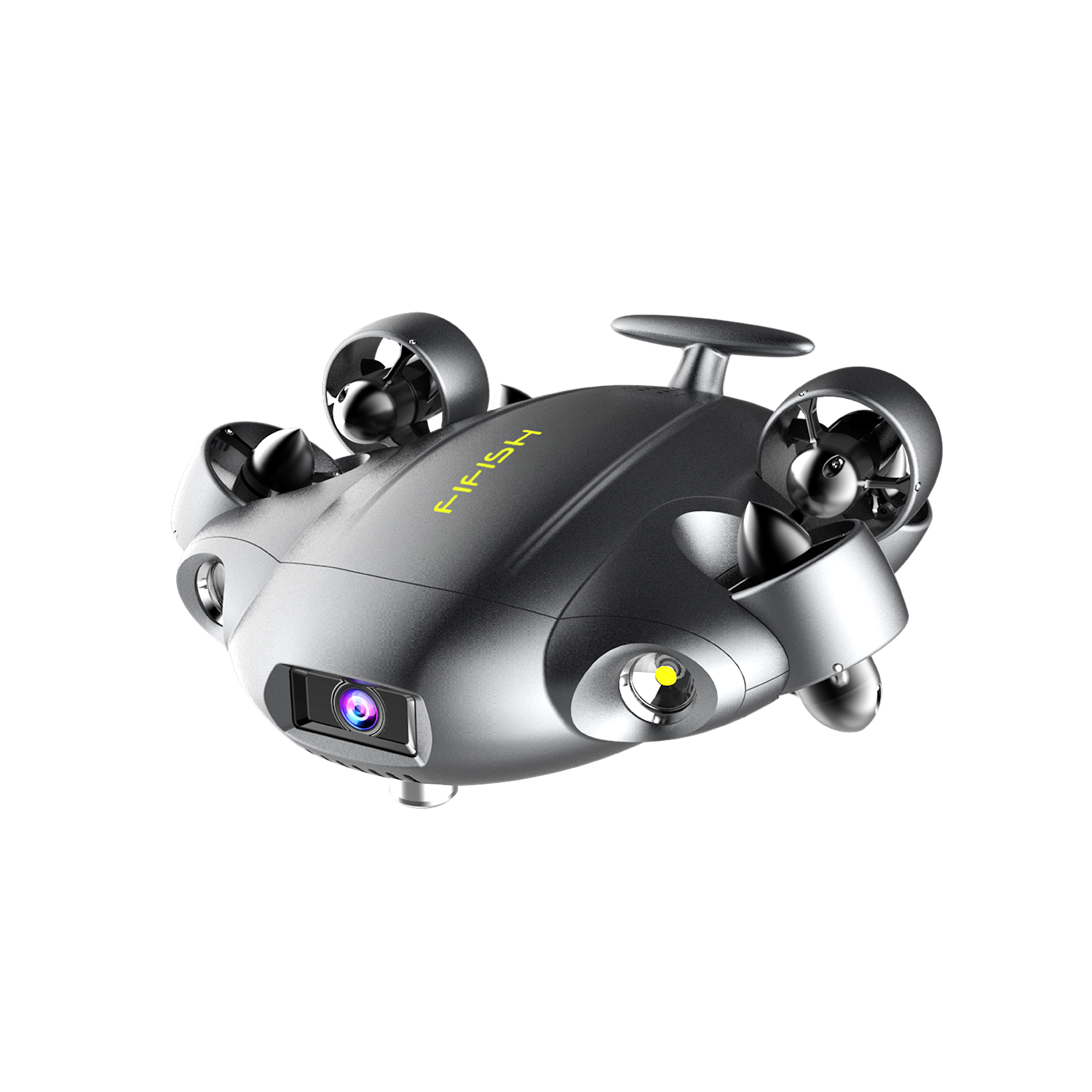
The FIFISH V-EVO is an accessible entry point for smaller teams, while the FIFISH V6 EXPERT adds a robotic arm and tooling for hands-on recovery.
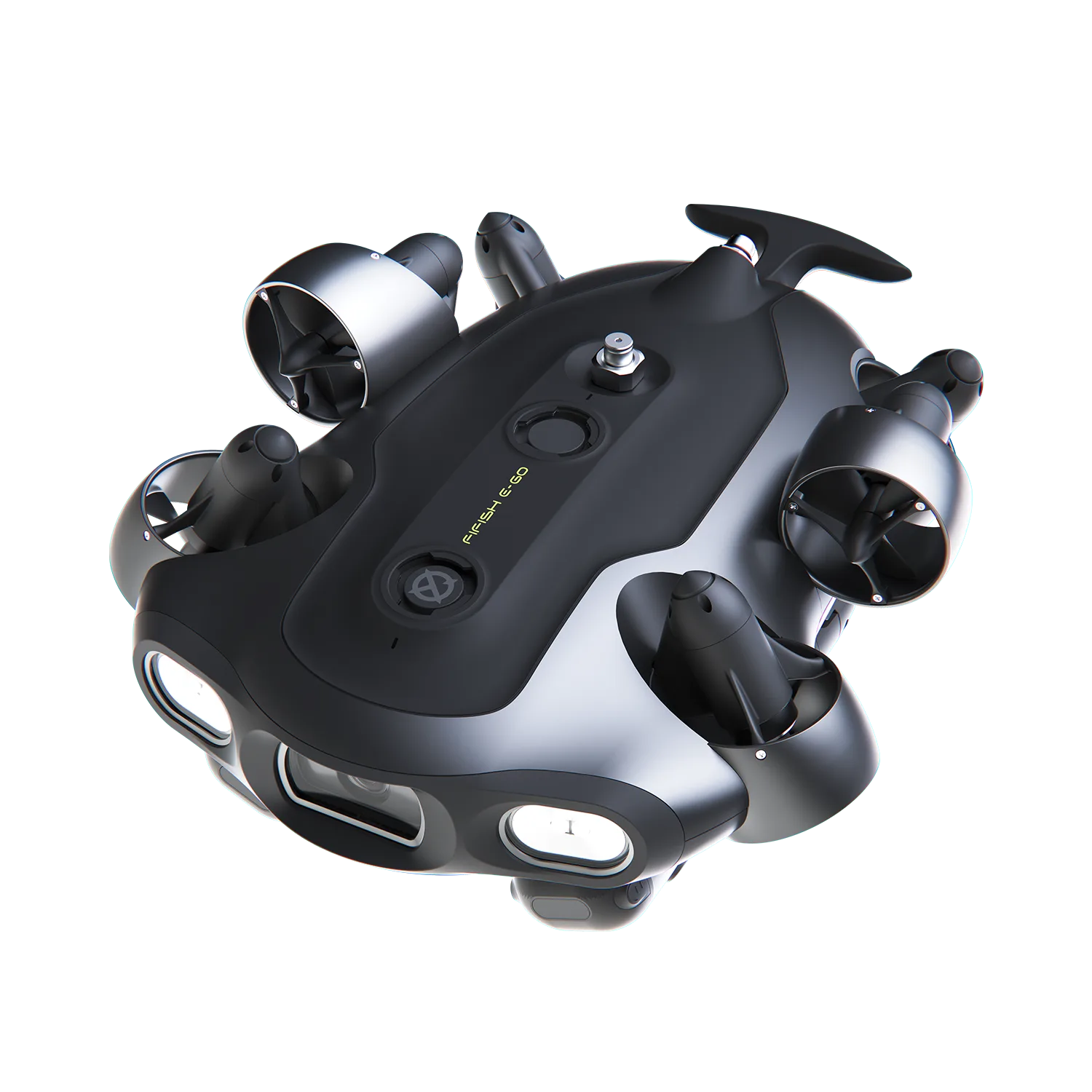
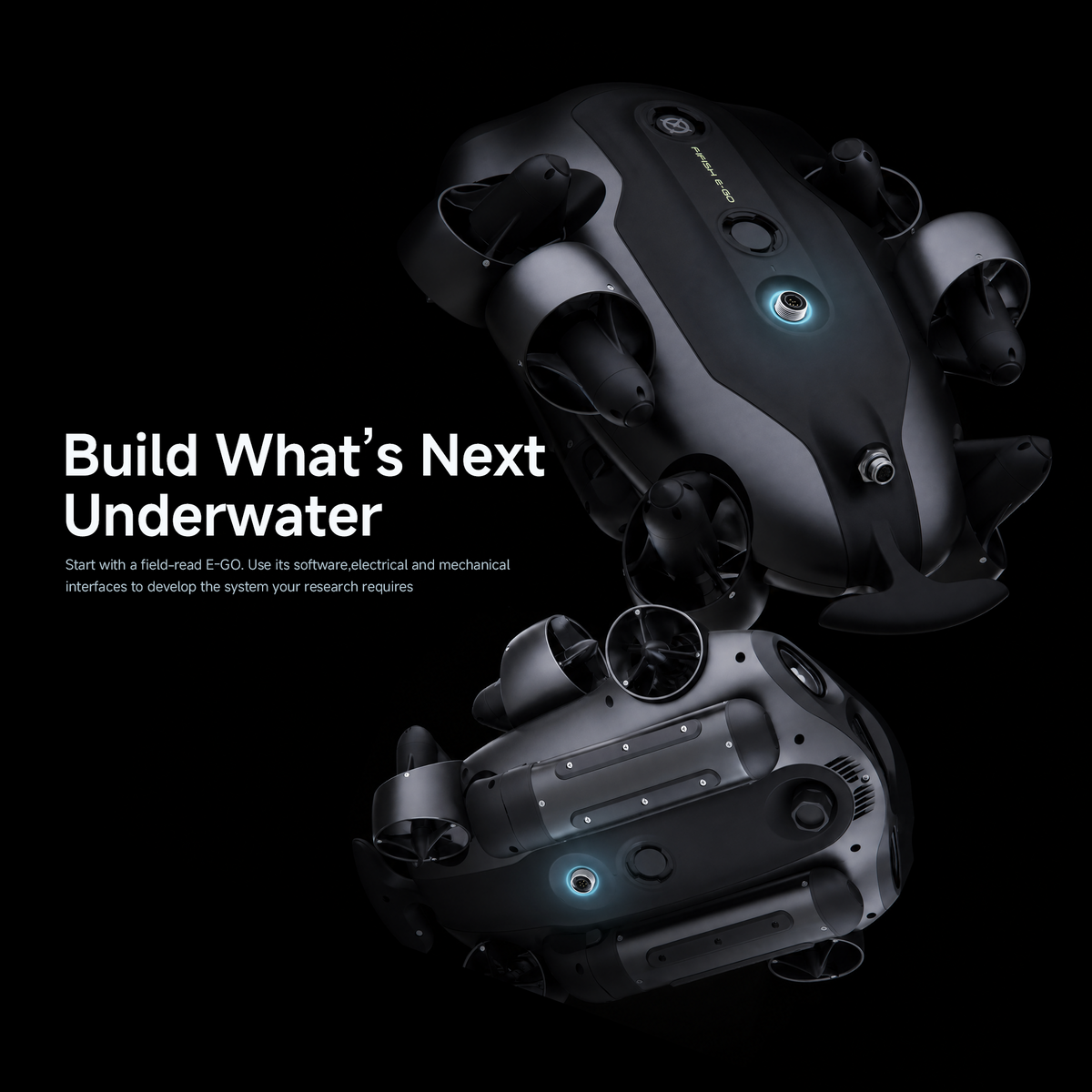
For demanding professional use, the FIFISH E-GO steps up again. To weigh the options, compare the FIFISH models, or read how to choose an underwater drone for the full buyer's view.
Frequently Asked Questions
What is the difference between search and rescue and search and recovery?
Search and rescue is time-critical and aims to save a life. Search and recovery is the careful retrieval of a body, object or evidence once a rescue is no longer possible.
What equipment is used for underwater search and recovery?
Typical kit includes dive gear, search lines, sonar, an ROV, a positioning system, lift bags, and recovery tools such as hooks, grippers and metal detectors.
Can an ROV be used for search and recovery?
Yes. An ROV searches with sonar and camera, pinpoints a target, and with the right payload can attach a line or lift smaller items, often before any diver enters the water.
Do ROVs work in zero-visibility water?
Yes, with sonar. A camera alone is useless in silt or stain, but scanning or imaging sonar lets an ROV find a target in the dark and close in on it.
How deep can a search and recovery ROV go?
It depends on the model and tether length. Match the depth rating to the sites you actually work, and check each product page for its figure.
Does an ROV replace public safety divers?
No. It is a force multiplier that keeps people out of the water for the search and the risk assessment, so divers are used only for the tasks that need human hands.
Conclusion and Next Steps
Underwater search and recovery is safer and faster when a disciplined plan, the right search pattern and an ROV work together. Start with the mission, match the model to your water, and keep a clean record of everything you find. Not sure where to begin? Let help me choose point you to the right model for your team.


Leave a comment
This site is protected by hCaptcha and the hCaptcha Privacy Policy and Terms of Service apply.