



Underwater Camera Housings Explained: Types, Depth Ratings and When You Need One
Key takeaways
-
A housing is a sealed, pressure-rated case that lets a camera you already own work underwater.
-
Options run from universal phone cases to housings built for one mirrorless or DSLR model, priced from about $50 to $9,500 in US listings.
-
Pressure rises by one atmosphere every 33 feet, so pick a depth rating beyond your deepest dive.
-
A phone's IP68 rating is a lab test, not a dive rating.
-
Clean O-rings and a vacuum leak check do more to prevent floods than the housing price.
Underwater camera housings are sealed cases that let a camera you already own shoot underwater, from a snorkel at the surface to a deep reef dive. This guide explains the main housing types, what depth ratings mean, which features matter and how to keep a housing dry. Prices and depth ratings come from US Google Shopping listings and manufacturer pages checked November 5, 2026.
What Is an Underwater Camera Housing?
An underwater camera housing is a waterproof, pressure-rated case built around a camera, with buttons and dials that reach the camera's controls through sealed openings. It keeps water out so you can shoot the way you do on land. Even cameras sold as waterproof use one to go deeper. GoPro rates its HERO13 Black as waterproof to 33 ft (10 m) on its own, and to 196 ft (60 m) inside its Waterproof Protective Housing (GoPro, n.d.).

Types of Underwater Housings
There are four main types of underwater housing, from universal cases to housings made for one camera model. The right type depends on the camera you own, how deep you go and how much control you need. The table shows examples from US Google Shopping listings for "underwater camera housings", checked November 5, 2026.
| Type | Best for | Example depth rating | Example price |
|---|---|---|---|
| Universal and phone housings | Snorkeling, pools, split shots | 131 ft (40 m) on one listing | $49.99 to $149 |
| Action camera housings | Snorkeling and recreational diving | 197 ft (60 m) | $225 |
| Compact camera housings | Divers who want manual control in a small kit | Varies by model | $350 to $399.99 |
| Mirrorless and DSLR housings | Serious photo and video work | 131 ft (40 m) on entry listings | $378 to $9,500 |
Universal and phone housings
Universal housings and phone cases fit many devices and cost the least. Many are soft or lightweight, so treat an underwater camera case like this as a snorkeling tool and check its stated depth before any dive.
Action camera housings
Action camera housings are rigid shells made for one camera line. They are the simplest way to take an action camera past its own waterproof rating.
Compact camera housings
Compact camera housings suit divers who want manual exposure and better low-light images without a large rig. Most are built for one camera model, so check compatibility before you buy.
Mirrorless and DSLR housings
An underwater dslr camera housing, or a mirrorless equivalent, is built for one camera body and exposes nearly every control. Entry models in the listings started at $378, and professional housings reached $9,500 for the housing alone. Lenses usually need a separate port.
Depth Ratings Explained
A depth rating is the deepest point at which the maker says the housing stays sealed. Choose one that goes well beyond your deepest planned dive, because pressure builds quickly. According to NOAA's National Ocean Service, pressure increases by one atmosphere for every 33 feet (10 m) of seawater (NOAA National Ocean Service, 2026). At 99 feet, a housing is already under four atmospheres, counting the air above the water.
Why a phone's IP68 rating is not a dive rating
Apple rates recent iPhones IP68 under IEC standard 60529, tested to a maximum depth of 6 meters for up to 30 minutes (Apple, 2026). Apple also advises against swimming with an iPhone or submerging it on purpose, and notes that water resistance can decrease with normal wear. If you want your phone on a dive, use a rated underwater housing.

What to Look for in an Underwater Camera Housing
After depth, the features that matter most are fit, the port and leak protection. Price follows those choices. Check these four points before you buy.
Fit for your exact camera
A model-specific housing lines up with every button and dial on your camera. A universal waterproof camera housing costs less and fits more devices, but it usually gives you fewer controls underwater.
Flat or dome port
The port is the window in front of the lens. In its guide to underwater lenses, Ikelite explains that flat ports pair with macro lenses for magnification, and dome ports pair with wide-angle and fisheye lenses for wider coverage without dark corners (Rydberg, n.d.).
Material and weight
Housings are made in polycarbonate or aluminum, and some brands sell both. Compare the weight and depth rating on the spec sheet for your camera model, since travel weight and dive depth decide which one fits you.
Leak detection
A vacuum system lets you test the seal before you get wet. Ikelite recommends checking for leaks before entering the water with a vacuum valve and pump, which removes air from the sealed housing (Ikelite, n.d.). If the vacuum holds, the seal is good.
How to Care for an Underwater Housing
Housing care comes down to the O-ring, the rubber seal that keeps water out. Ikelite's service team gives clear guidance for its compact housings, and the same habits apply to most designs (Johnson, n.d.).
- Check the seal is clean. Make sure the O-ring and sealing surface are free of dirt and hair.
- Lubricate lightly. Apply a very thin layer of the maker's lubricant each time you open and close the housing.
- Run a leak check. Seal the housing and test it with the vacuum system before the dive.
- Rinse after the dive. Soak the housing in fresh water and dry it before you open it.
-
Replace the O-ring yearly. Ikelite advises a new main O-ring once a year or whenever it is damaged.

When You Need an Underwater Camera Housing
You need a housing when your camera is not rated for the depth or conditions you plan to shoot in. If your camera's own rating covers your dive, as an action camera's 33 ft rating covers most snorkeling, you can start without one.
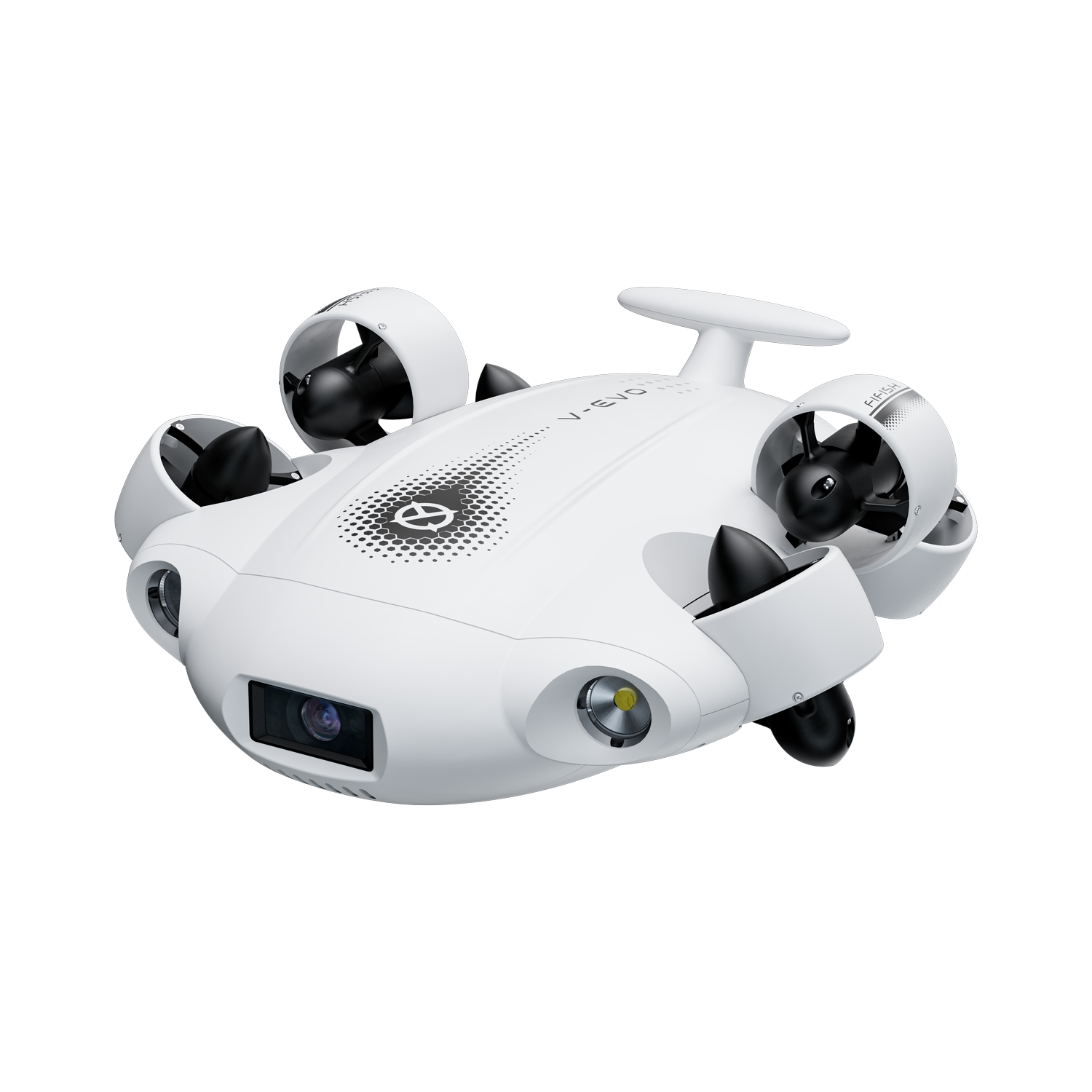
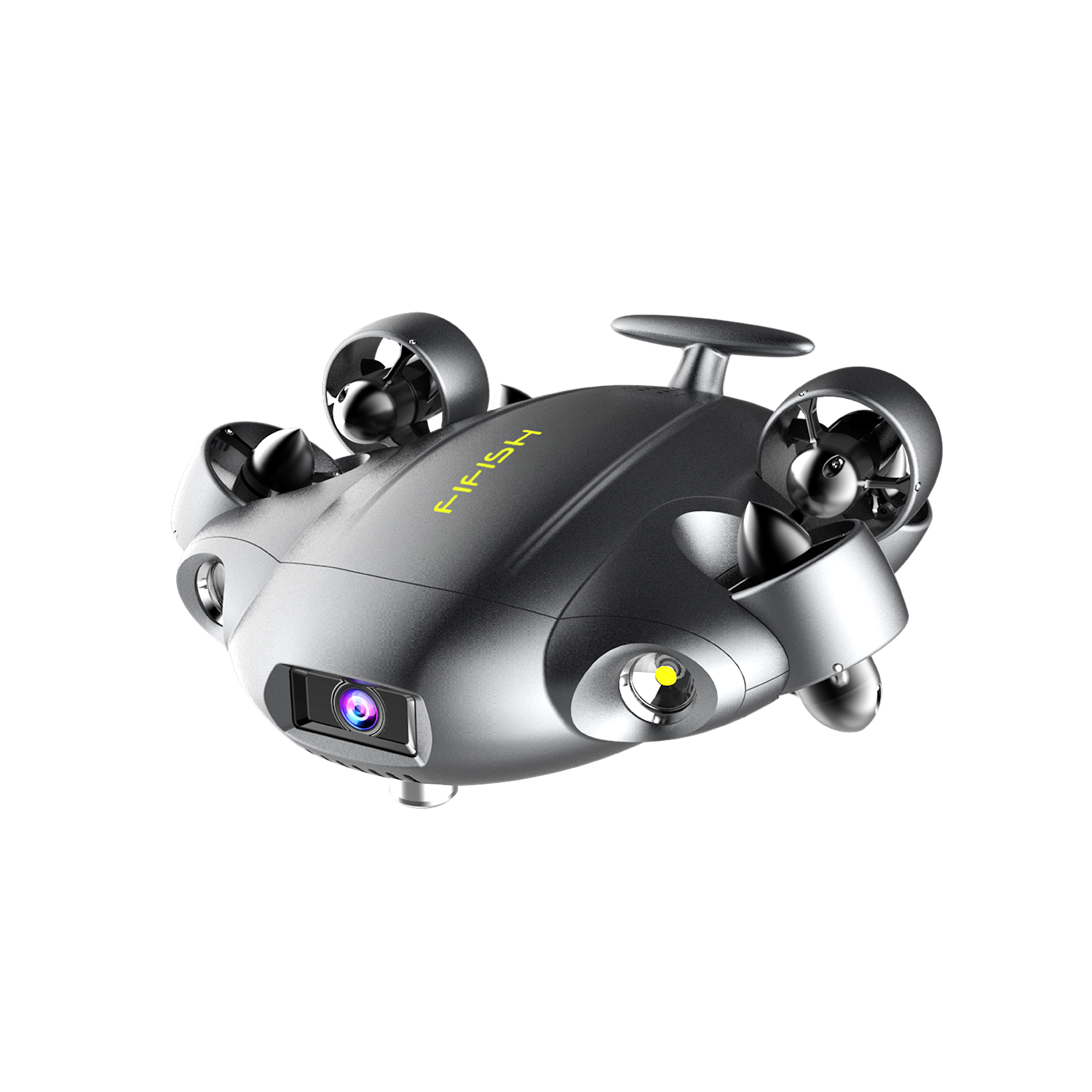
A housing still needs a person in the water holding the camera. If you want footage from a boat, dock or shore, an underwater drone carries its own sealed 4K camera on a tether instead. The FIFISH V-EVO is rated to 100 m (328 ft) and costs $1,269 at its Black Friday price. It does a different job from a housing, and QYSEA's page on underwater filming shows where it fits. If drones are new to you, start with what an ROV is.
Frequently Asked Questions
Do I need an underwater housing for a waterproof camera?
Only if you go deeper than its own rating. A GoPro HERO13 Black is waterproof to 33 ft (10 m) without a housing and to 196 ft (60 m) inside one.
How deep can an underwater camera housing go?
It depends on the model. The consumer listings we checked ranged from 131 ft (40 m) to 197 ft (60 m). Always use the maker's stated rating for your exact housing.
Is an underwater camera case the same as a housing?
Not always. An underwater camera case is often a soft or light enclosure meant for shallow water, while a waterproof camera housing is a rigid, pressure-rated case. Check the stated depth before you dive with either.
Can I take my phone underwater without a housing?
Not safely. Recent iPhones are rated IP68 to 6 meters for up to 30 minutes, and Apple advises against swimming with them or submerging them on purpose.
How much does an underwater camera housing cost?
From about $50 to $9,500. Universal cases sat at the low end of the US listings we checked, and a professional underwater DSLR camera housing or mirrorless housing at the top.
Conclusion and Next Steps
The right underwater camera housing matches your camera, goes deeper than your deepest dive and gets a clean O-ring and leak check every time. Start with the depth you dive, then pick the type and port.
If you would rather film without getting in the water, compare the FIFISH models or let help me choose suggest an underwater drone for the job.
References
- Apple. (2026, October 28). About splash, water, and dust resistance of iPhone 7 and later. Apple Support. https://support.apple.com/en-us/108039
- GoPro. (n.d.). Dive & snorkel cameras. GoPro. https://gopro.com/en/us/shop/activity/dive-snorkel
- Ikelite. (n.d.). Checking for housing leaks using a vacuum pump and valve. Ikelite. https://www.ikelite.com/blogs/faq/checking-for-housing-leaks-using-a-vacuum-pump-with-gauge
- Johnson, S. (n.d.). How to lubricate your ULTRAcompact housing o-ring [Video]. Ikelite. https://www.ikelite.com/blogs/faq/how-to-lubricate-your-ultracompact-housing-o-ring-video
- NOAA National Ocean Service. (2026, September 23). How does pressure change with ocean depth? National Oceanic and Atmospheric Administration. https://oceanservice.noaa.gov/facts/pressure.html
- Rydberg, J. (n.d.). The right lens for every situation underwater. Ikelite. https://www.ikelite.com/blogs/buying-guides/the-right-lens-for-every-situation-underwater


Leave a comment
This site is protected by hCaptcha and the hCaptcha Privacy Policy and Terms of Service apply.