



What Is an ROV? How Underwater Drones Work
-
An ROV (remotely operated vehicle) and an underwater drone are the same thing: a tethered robot you pilot from the surface.
-
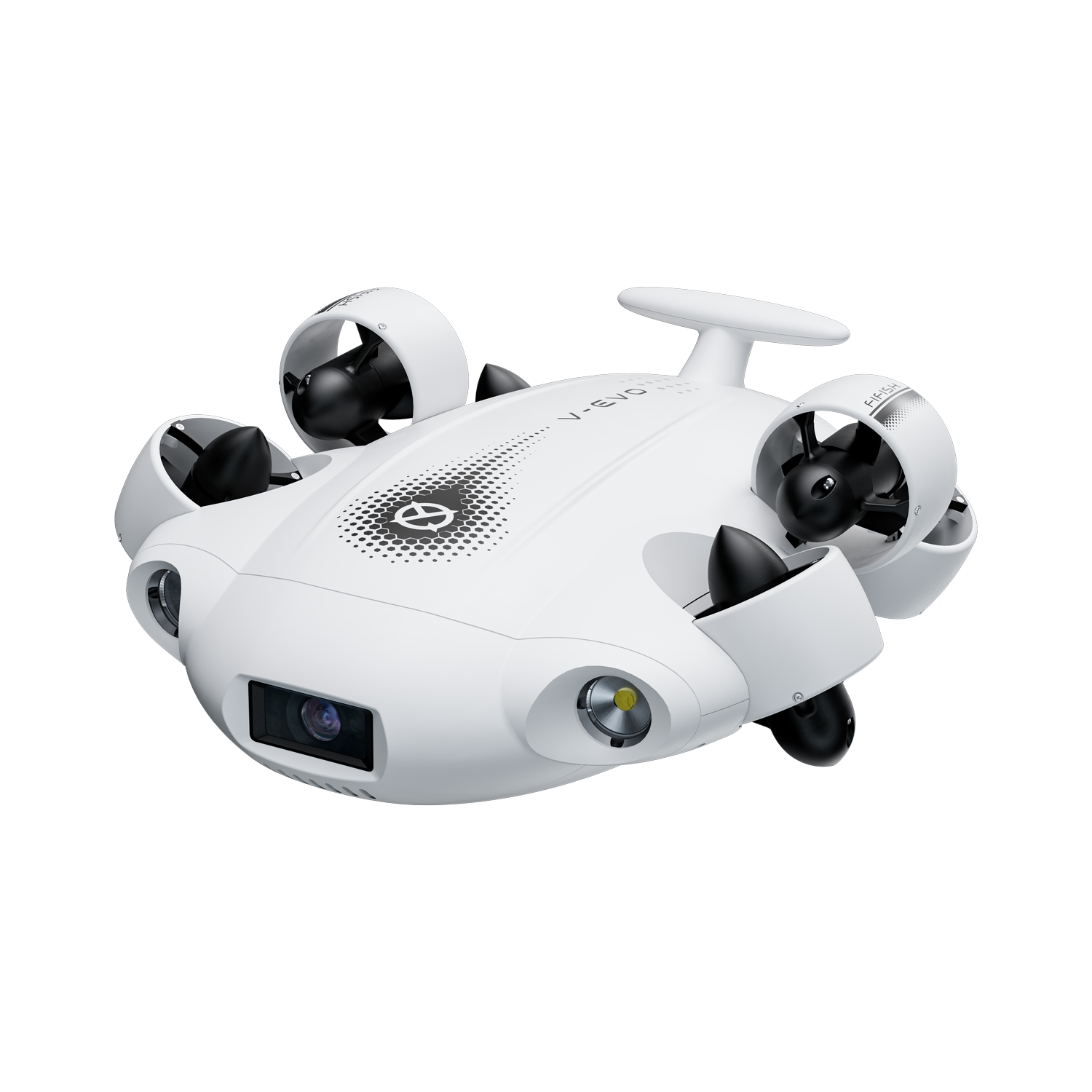
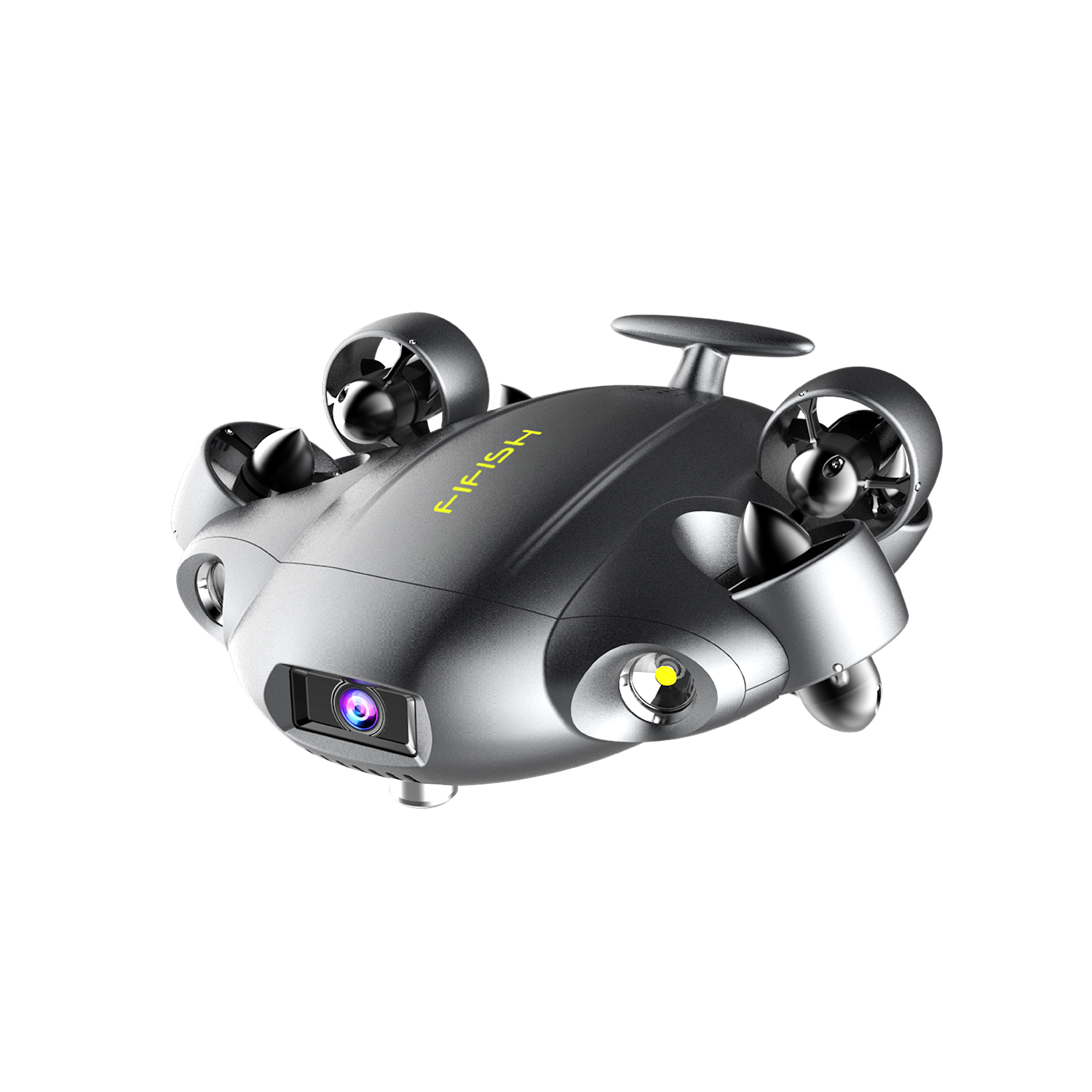
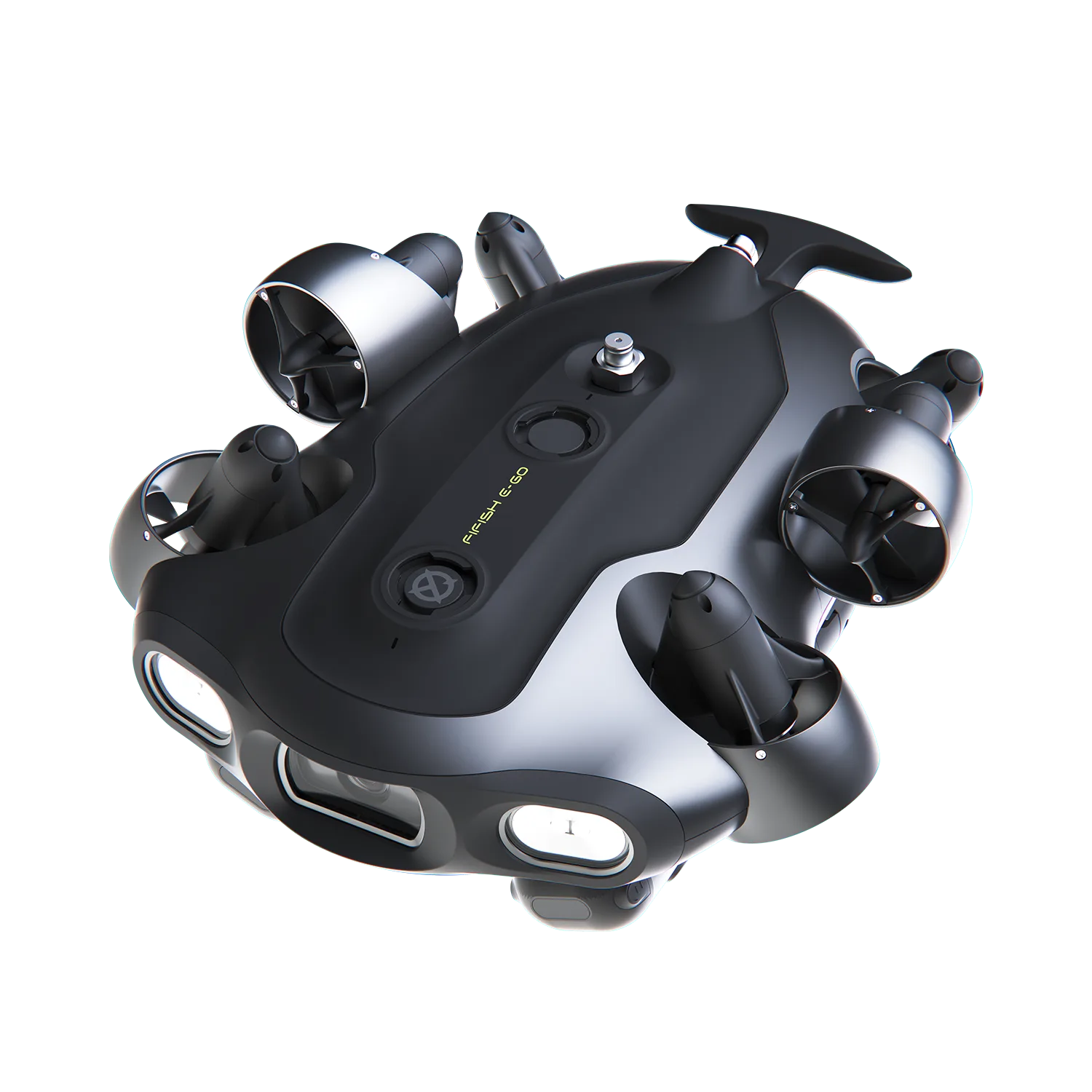
The main parts are thrusters, a camera and lights, sensors, a tether, and a surface controller.
-
It works by combining propulsion, vision, sensing and a tether that carries power and live video.
-
People use one to inspect, film, fish, run search and recovery, and support science.
-
The right first drone depends on your water, your task, and your budget.
An ROV, short for remotely operated vehicle, is an underwater robot you control from the surface through a tether. People also call it an underwater drone, and the two terms mean the same thing. It carries a camera, lights and sensors and streams live video to your phone or a controller, so you can see and work below the surface without diving. This guide explains what one is, the parts it is built from, and how underwater drones work. Browse the underwater drones range as you read.

ROV, Underwater Drone or AUV: What’s the Difference?
ROV and underwater drone are two names for the same machine; an AUV is the one that differs. An ROV (remotely operated vehicle) is an unmanned underwater robot a person pilots from the surface through a tether, and "underwater drone" is simply the everyday word for it. "ROV" is the technical term you see on spec sheets and leans professional, while "underwater drone" leans consumer. An AUV, or autonomous underwater vehicle, has no tether and follows a pre-programmed route on its own. Unlike an aerial drone, all of these are built to submerge.
How Do Underwater Drones Work?
Underwater drones work by combining four systems: propulsion, vision, sensing and a tether. Here is what each one does.
Thrusters and movement
Thrusters are small propellers that move the drone forward, back, up, down, sideways and around. A vectored layout gives full movement on every axis without turning the body to face a new direction, and it lets the drone hold position against a current so you can focus on the camera instead of fighting the water.
Camera, lights and sensors
A 4K camera does the seeing, and high-output LED lights matter as much as resolution: water strips out colour within the first few metres, so the lights restore detail and true tone. Sensors track depth, heading and orientation to keep the drone level, and sonar can image through murky water where a camera cannot.
The tether
The tether is a thin cable that carries power, live video and control signals between the drone and the surface. Its length sets how far the drone can travel, and it is the reason the feed stays stable and the drone is easy to recover. Here is more on why underwater drones are tethered.
The controller and app
You pilot the drone with a handheld controller and a phone or tablet app that shows the live view. With depth hold and stabilisation doing the balancing, most people are flying within minutes of setup.

The Main Parts of an ROV
Every underwater drone is built from the same core parts:
-
Hull and buoyancy: the sealed body, trimmed to sit neutral in the water.
-
Thrusters: the propellers that drive and steer it.
-
Camera and lights: a 4K camera with LED lighting for colour and detail.
-
Sensors: depth, heading and orientation, plus optional sonar.
-
Tether: the cable carrying power, video and control to the surface.
-
Surface controller: the handheld unit and app you fly it from.
What Are Underwater Drones Used For?
Underwater drones are used anywhere you need eyes below the surface without a diver. The most common uses are filming and photography, inspection, fishing and scouting, search and recovery, and scientific monitoring.
Several maps to a dedicated FIFISH application. An ROV handles underwater inspection and measurement of hulls, structures and running gear, and underwater recovery and rescue to locate and retrieve lost objects.
Researchers and conservation teams use one for aquatic monitoring and conservation, including water sampling and habitat surveys. For a fuller tour with examples, read real-world underwater drone applications.


Start Exploring
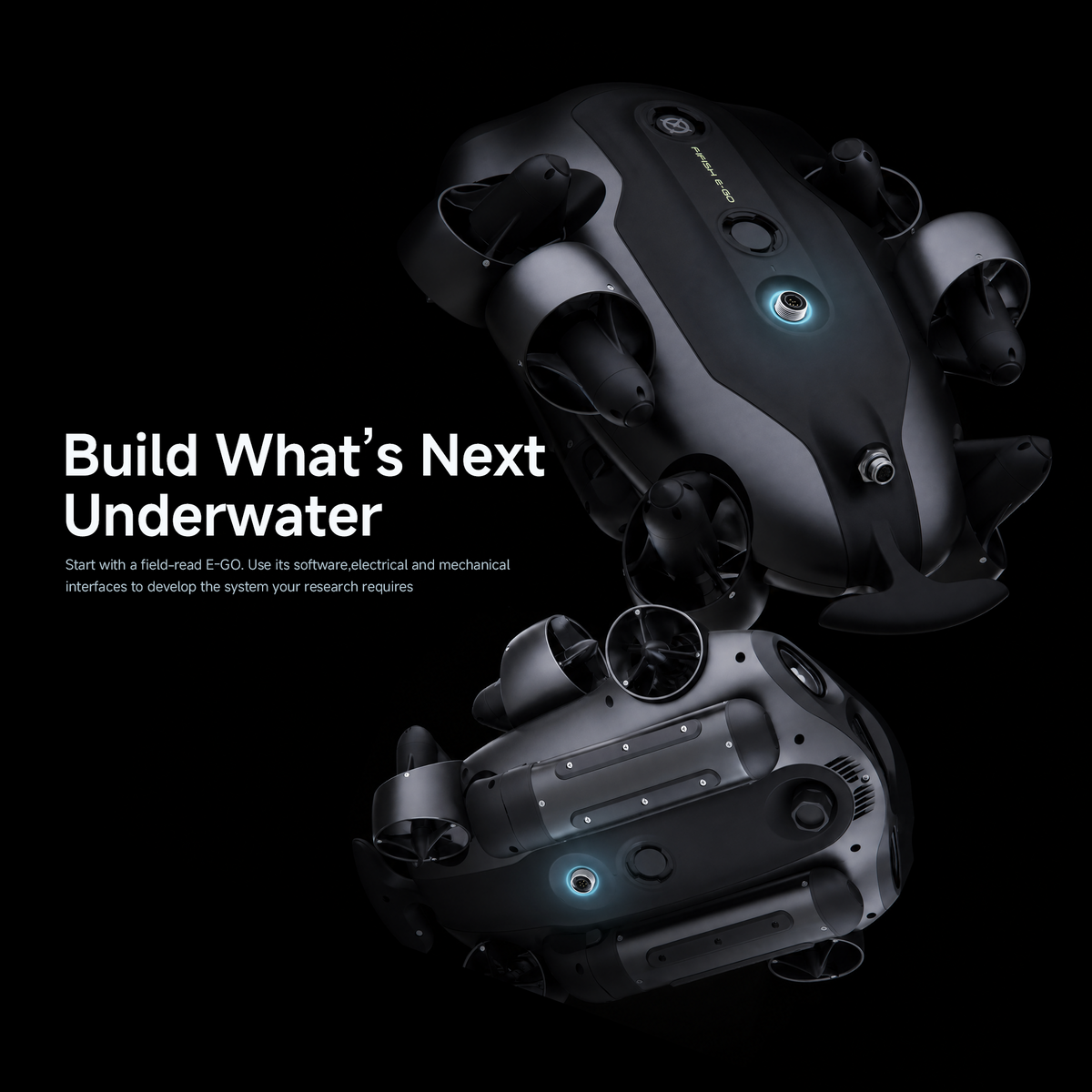
An ROV opens up filming, inspection and exploration that used to need a diver. The FIFISH lineup runs from the compact FIFISH V-EVO to the professional FIFISH E-GO.
Now that you know what an ROV is and how it works, the next step is picking one. Read how to choose an underwater drone for a full buyer’s walk-through, or compare the FIFISH models side by side.
Not sure where to start? Let me help you choose the right one.
Frequently Asked Questions
How much does an underwater drone cost?
Consumer underwater drones start around $1,399 and rise with camera, tether length, tooling and battery capacity, while professional systems cost more. Check each product page for current pricing.
How deep can an underwater drone go?
It depends on the model and tether length. Consumer ROVs commonly reach 100 to 200 metres, and longer tether spools extend the range. See each product page for its depth rating.
Can you use an underwater drone in saltwater?
Yes. FIFISH ROVs work in both fresh and salt water. After a saltwater dive, rinse the drone with fresh water to protect the seals and thrusters.
Do you need a license to fly an underwater drone?
For recreational use in the US you generally do not, unlike aerial drones. Commercial work, or protected and restricted waters, may have their own rules, so check locally.
What is the difference between an ROV and a submarine?
A submarine carries people inside it; an ROV carries no one and is piloted from the surface through a tether, which makes it smaller, cheaper and safer for routine underwater work.
How long can an underwater drone stay underwater?
On a single battery most consumer ROVs run for a few hours of typical use. Strong lights and current shorten that, and swappable batteries extend a session.


Leave a comment
This site is protected by hCaptcha and the hCaptcha Privacy Policy and Terms of Service apply.