



Underwater Concrete Repair: How to Inspect Damage Before and After the Fix
Key takeaways
-
A concrete repair below the waterline is only as good as the inspection before it and the check after it.
-
Cracking, scaling, spalling and chemical attack are the damage types inspectors find most often on submerged concrete.
-
Record crack location, orientation, length and width, so the after-repair check compares like with like.
-
Tremie placement, pumped concrete and pile jackets are common ways to restore concrete without draining the site, and the engineer picks the method.
-
An ROV with laser sizing documents damage safely in calm water, while divers still handle cleaning, touch and specialist testing.
Underwater concrete repair restores submerged piers, piles, seawalls and foundations without draining the water around them. The repair is the visible part of the job, but the inspection on either side of it decides whether the fix was right and whether it worked. This guide explains the damage to look for, how professional inspections are graded, the main repair methods and how a remotely operated vehicle (ROV) documents the work. It draws on the Federal Highway Administration's (FHWA) 2024 Underwater Bridge Inspection Reference Manual and QYSEA store details checked November 5, 2026.
What Is Underwater Concrete Repair?
Underwater concrete repair is the work of restoring damaged concrete that sits below the waterline while the structure stays in service. It covers bridge piers, dock and pier piles, seawalls, intakes and dam faces. The method depends on how much damage there is and where. Every good repair follows the same sequence of inspect, repair, then inspect again, and the evidence from each step goes into the asset's file. QYSEA's page on underwater inspection and measurement covers the equipment side.

Common Damage on Underwater Concrete
The four types of deterioration most often found on concrete substructures are cracking, scaling, spalling and chemical attack, according to the FHWA manual (FHWA, 2024). Impact and abrasion add to these. Knowing which one you are looking at tells you how urgent it is and what the repair needs to fix.
Cracking
Cracks can be structural or come from temperature and moisture changes. Even small ones matter, because they give water a path into the concrete. FHWA asks inspectors to record each crack's location, orientation, length and width, along with rust stains, efflorescence and seepage (FHWA, 2024). It grades crack width as follows for prestressed concrete.
| Condition | Crack width | Crack spacing |
|---|---|---|
| Insignificant or sealed | Less than 0.004 in | More than 3 ft |
| Moderate, unsealed | 0.004 to 0.009 in | 1 to 3 ft |
| Wide or heavy map cracking | More than 0.009 in | Less than 1 ft |
Scaling and abrasion
Scaling is the loss of the surface layer, and abrasion is wear from moving water, sediment and debris. Both thin the cover over the reinforcing steel, so they often come before spalling.
Spalling and corroded reinforcement
Spalling is a depression in the surface caused by impact or by corroding reinforcing steel. FHWA notes that corrosion products can take up to five times the volume of the original steel and produce forces of more than 5,000 psi, which pops concrete off and speeds up the damage (FHWA, 2024). The waterline is especially prone to it.

Inspect Before You Repair
Inspection before repair sets the scope, the method and the baseline you will check the repair against. Underwater inspectors grade the effort in three levels, first developed by the U.S. Navy and now standard in underwater bridge inspection (FHWA, 2024).
| Level | What it involves | Best for |
|---|---|---|
| Level 1 | Visual and tactile inspection of all submerged surfaces, cleaning only where a defect is found | Finding obvious damage |
| Level 2 | Cleaning of marine growth at set locations to expose the concrete | Spotting hidden defects, sizing the repair |
| Level 3 | Highly detailed inspection with extensive cleaning and non-destructive or partially destructive testing | Repair design and load rating |
For highway bridges, the most common routine underwater bridge inspection interval is 60 months, and a newly rehabilitated underwater element should be inspected within 12 months of the bridge reopening (FHWA, 2024). Docks, seawalls and private structures follow the owner's or engineer's schedule.
Before any repair, capture the damage with a scale in frame, mark each location against a fixed reference and note the water conditions. That record is what the after-repair inspection measures against.
Underwater Concrete Repair Methods
The repair method follows from the inspection findings, and the engineer of record makes the call. Most methods share one goal, placing new material without it washing out or mixing with the surrounding water. These are the approaches you will see most often on submerged underwater concrete.
Tremie concrete and pumped concrete
Tremie concrete is placed underwater through a pipe whose end stays buried in the fresh concrete, so the mix does not fall through the water. FHWA notes that underwater seal concrete is often placed with a tremie or by pumping, and that it can be of lower quality than concrete cast in the dry if placement is not controlled (FHWA, 2024). That makes the after-repair inspection important for any tremie concrete pour.
Pile jackets
A pile jacket is a protective shell surrounding a pile, made of fabric, concrete or another material (FHWA, 2024). The jacket is filled with grout or concrete to restore section loss and protect the pile from further attack. A pile jacket also hides the original surface, so document the pile fully before it is wrapped.
Grout and epoxy
Grout and epoxy fill cracks and small voids and bond new material to old. They suit localized damage rather than large section loss.
Inspect After the Fix
The after-repair inspection proves the work was done and gives you a new baseline. Return to the same marked locations, film from the same angles and measure with the same scale, so the before and after records compare directly.
- Check the repair surface. Look for gaps at the edges, voids, cracks in the new material and any washout.
- Check the surroundings. Confirm the repair did not leave debris or disturb the channel bottom near the structure.
- Measure again. Size any remaining defects the same way you sized them before.
- Update the file. FHWA lists repair history and the performance of those repairs among the records an inspection program should keep (FHWA, 2024).
How an ROV Supports Concrete Inspection
An ROV gives you a recorded, repeatable look at submerged concrete without putting a diver in the water for every pass. FHWA lists ROV inspection among the accepted methods for underwater bridge elements, noting ROVs are often used for very deep work and places too hazardous for divers (FHWA, 2024). That makes an ROV a practical tool for both the before and after inspections.
- Sizing defects. The Underwater Laser Scaler ($499) projects two laser points 10 cm (3.9 in) apart, giving every frame a scale. QYSEA's QY-MT software turns that into length, perimeter and area.
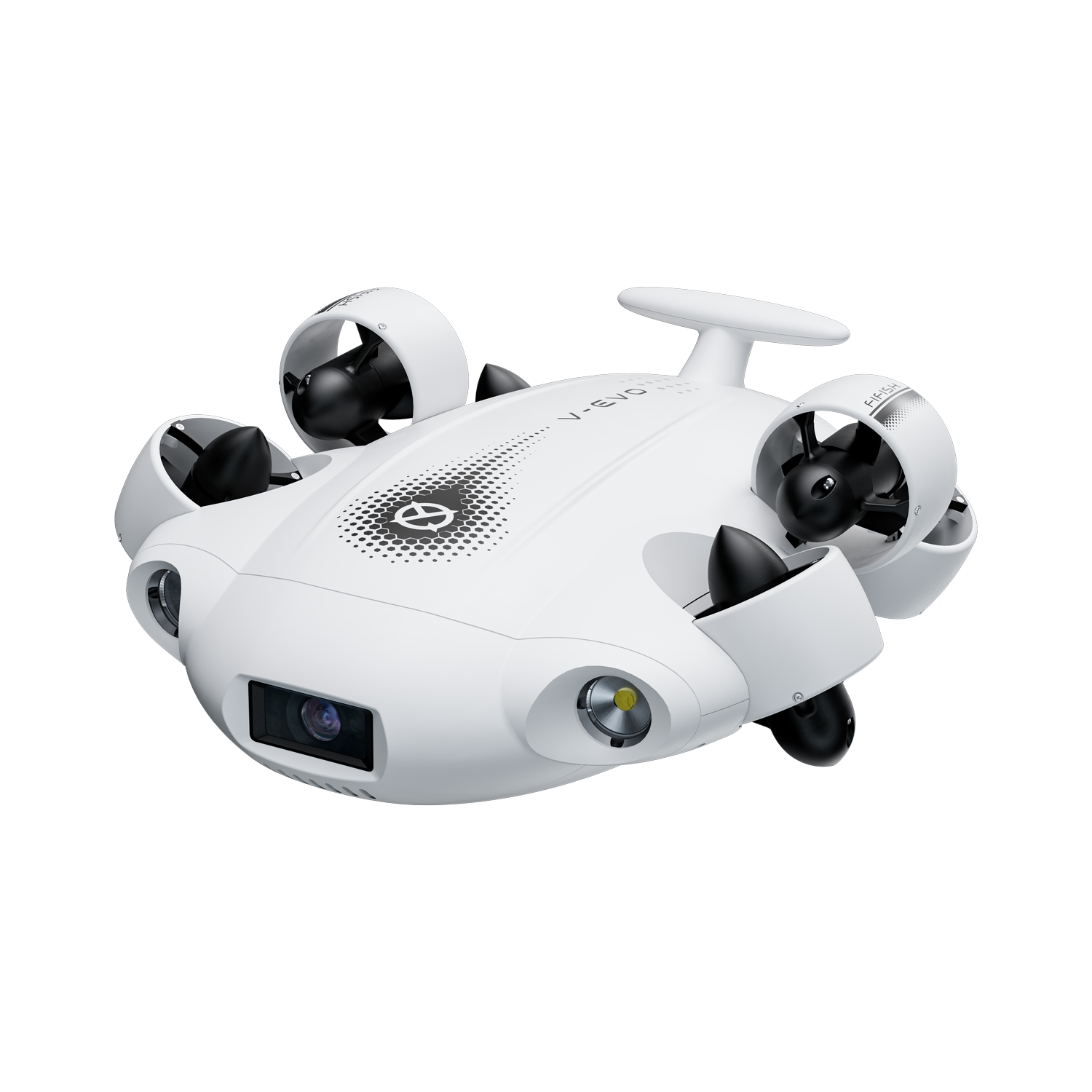
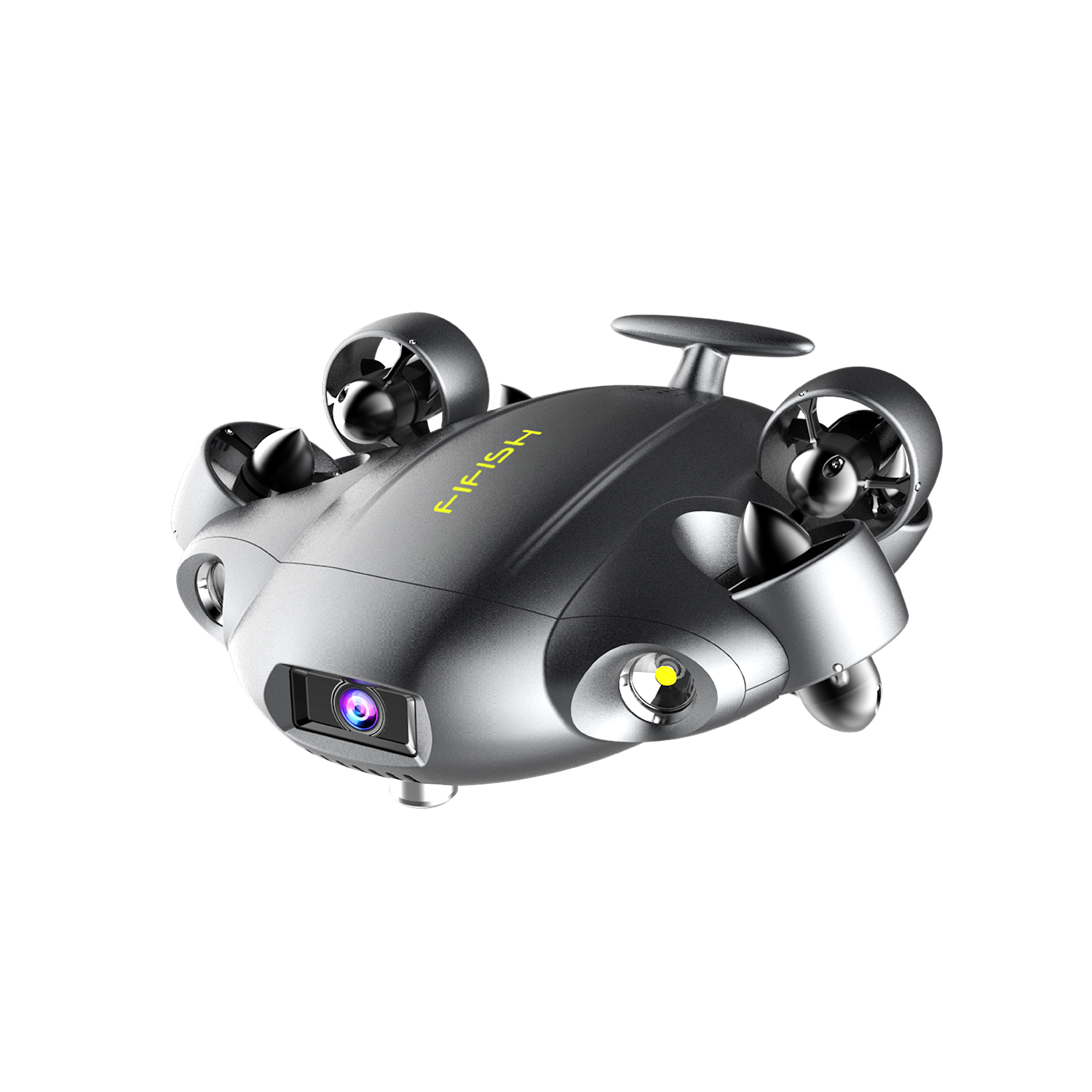
- A ready package. The FIFISH V6 EXPERT Standard Inspection Pack pairs the V6 EXPERT with the Laser Scaler for $3,498 at the Black Friday price.
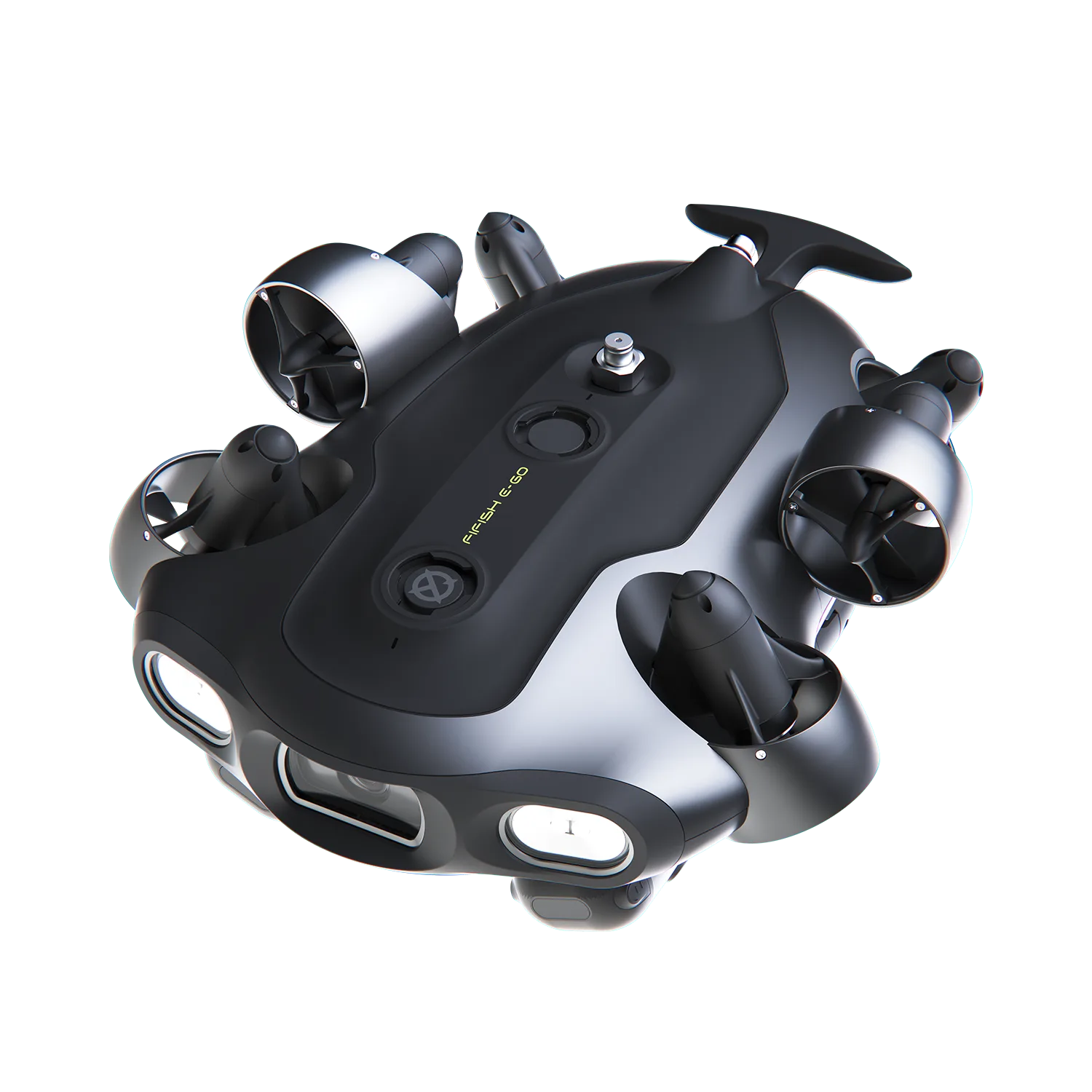
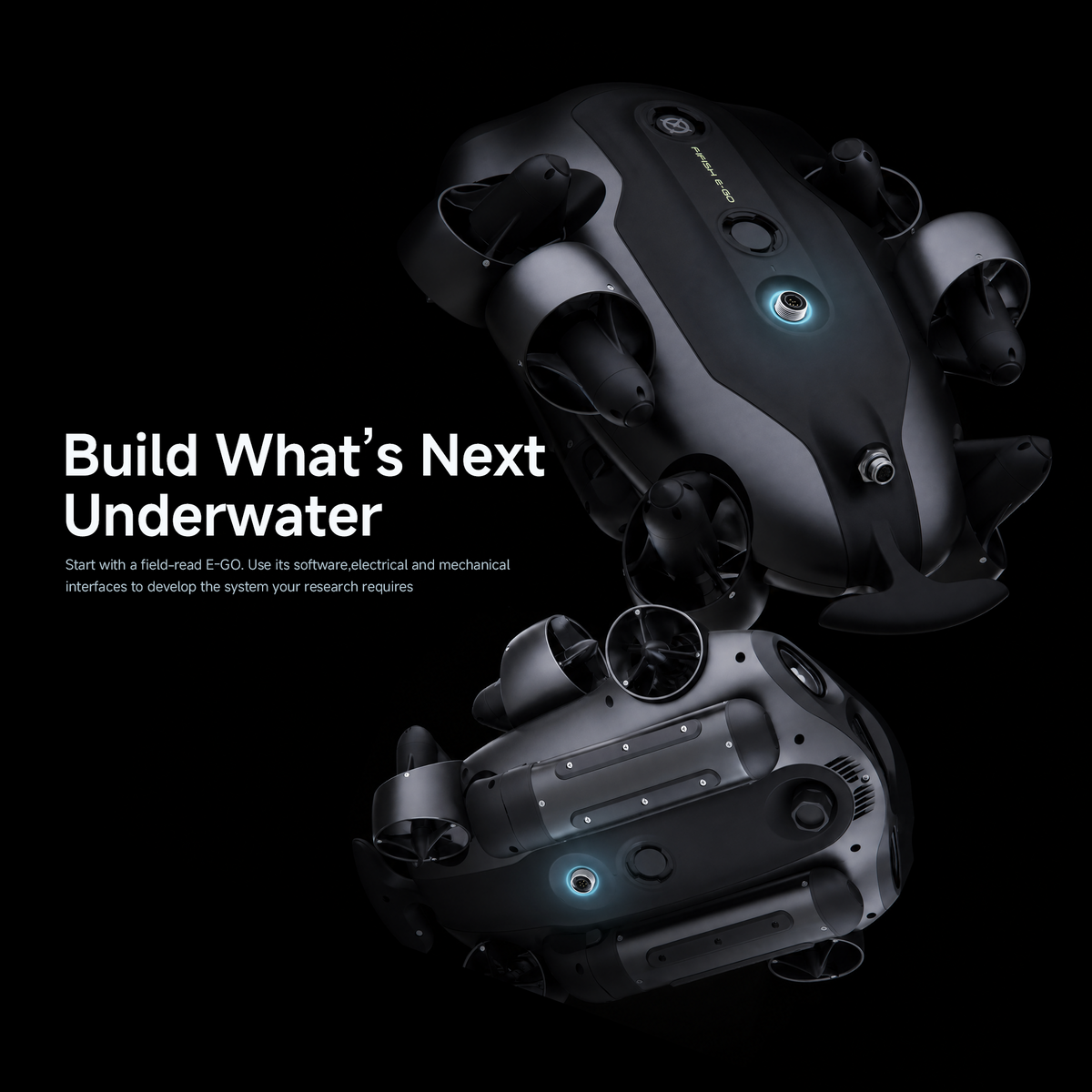
- Larger jobs. The FIFISH E-GO adds 10,000 lumens of lighting and supports a GNSS locator for positioning, from $5,999 at the Black Friday price.
- Sonar support. The V6 EXPERT and E-GO both support 2D imaging sonar for low-visibility work.
The same before-and-after discipline applies to ship hulls, as our guide to UWILD inspection explains.

Limitations of ROV Inspection on Concrete
An ROV does not replace a diver on every concrete job, so plan the inspection around these limits.
- Current. FHWA notes ROVs work best in water with very little flow, such as lakes, reservoirs and ocean sites, and that turbulence around river piers often makes them impractical (FHWA, 2024).
- Visibility. In turbid water, a camera alone may not see enough, so sonar or a diver may be needed.
- Tether and position. The tether limits range and can snag, and tracking the ROV's exact position takes care. See why underwater drones are tethered.
- No touch or testing. Level 2 cleaning, tactile checks and Level 3 testing still need divers and specialist instruments.
- Depth. The V6 EXPERT and E-GO are rated to 100 m (328 ft).
Frequently Asked Questions
Can concrete be repaired underwater?
Yes. Methods such as tremie placement, pumped concrete, grout and pile jackets restore concrete without draining the site, as long as the material does not wash out during placement.
How do you inspect underwater concrete?
With a graded inspection. Level 1 is visual and tactile, Level 2 adds cleaning at set locations, and Level 3 adds detailed testing. Divers, ROVs and sonar can all be used.
What is tremie concrete?
It is concrete placed underwater through a pipe kept buried in the fresh mix, so the concrete does not drop through the water and wash out.
What is a pile jacket?
A pile jacket is a protective shell around a pile, made of fabric, concrete or another material, usually filled with grout or concrete.
How often are bridges inspected underwater?
Most commonly every 60 months under FHWA's regular interval, with shorter intervals for higher-risk bridges and an inspection within 12 months after underwater rehabilitation.
Can an ROV measure cracks in concrete?
Yes, with a laser scaler. Two laser points at a known spacing put a scale in every frame, and software calculates length and area. Very fine crack widths still call for close-up diver tools.
Conclusion and Next Steps
Successful underwater concrete repair rests on three records. The first is the damage before the fix, the second is the repair itself, and the third is the condition after it. Grade the inspection, size every defect with a scale and repeat the same views once the work is done.
To build that record with an ROV, see the underwater inspection and measurement packages, compare the FIFISH models or contact our specialists about your structure.
References
- Federal Highway Administration. (2024). Underwater bridge inspection reference manual (Publication No. FHWA-NHI-23-027). U.S. Department of Transportation. https://www.fhwa.dot.gov/bridge/nbis/pubs/nhi23027.pdf


Leave a comment
This site is protected by hCaptcha and the hCaptcha Privacy Policy and Terms of Service apply.