



How to Conduct an Effective UWILD Inspection: Expert Best Practices
Key takeaways
-
A UWILD inspection is an underwater hull survey carried out in lieu of drydocking.
-
It saves the cost and downtime of a dry dock while still meeting class and flag rules.
-
Eligibility varies by class society and flag state; always confirm before you plan.
-
A diver or an ROV can do it, if the team, method and report are approved in advance.
-
Preparation decides the outcome: approval, a clean hull, positioning, lighting and a solid report.
A UWILD inspection, short for underwater inspection in lieu of drydocking, lets an eligible vessel satisfy a survey requirement in the water instead of hauling out to a dry dock. Done well, it saves time and money and keeps the vessel earning, while still meeting classification and flag-state rules. This guide explains what a UWILD inspection covers, which vessels qualify, when to use a diver or an ROV, and the best practices that help the survey pass the first time. See how FIFISH supports underwater inspection and measurement as you read.
What Is a UWILD Inspection?
A UWILD inspection is an underwater survey of a ship's hull and underwater fittings carried out instead of a dry-dock examination. Classification societies let eligible vessels alternate between a traditional dry-dock survey and an in-water survey, so the hull is examined on the normal schedule without lifting the ship out of the water. The survey is carried out by divers or an ROV, witnessed or accepted by a class surveyor, and recorded for the vessel's file. Many societies assign an optional UWILD class notation to vessels set up for it.

Why Operators Choose UWILD Over Drydocking
Drydocking is expensive and takes a vessel out of service for days or weeks. An in-water survey avoids the dock fee, the tow and most of the downtime, so the vessel keeps trading. It also lets owners check hull condition on a predictable schedule and plan any real dry-dock work with evidence in hand rather than guesswork. The trade-off is that a UWILD only inspects; it cannot replace work that genuinely needs a dry dock.
Which Vessels Are Eligible?
Eligibility is set by your classification society and flag state, so always confirm with them, but the common conditions are consistent. A vessel is typically considered when it is relatively young, often under 15 years, has a steel or aluminium hull, and carries an effective hull protection system such as sound coatings with cathodic protection. Clean hull-thickness gaugings at the previous dry-dock survey usually support approval. Older vessels, or those under an enhanced survey programme, may be restricted or refused, and approval is often granted case by case. Treat all of this as general guidance and check the binding rules for your vessel.
What a UWILD Inspection Covers
A UWILD survey examines the same underwater items a surveyor would check in dock:
- Hull plating, coatings and marine growth
The surveyor reviews plating condition, coating breakdown and corrosion, so the hull usually needs cleaning beforehand for a true view.
- Rudder, propeller and running gear
The rudder, propeller, shafting and visible running gear are checked for damage, wear and alignment.
- Through-hull fittings, sea chests and gratings
Sea chests, gratings, intakes and through-hull fittings are inspected and cleared of fouling.
-
Shaft bearing (tailshaft) clearances
Where required, stern tube and rudder bearing clearances are measured in the water.
- Cathodic protection: anodes and ICCP
Sacrificial anodes and any impressed-current (ICCP) system are checked for condition and remaining life.
- Hull markings and class-required items
Draft marks, the load line, sea-inlet markings and other class-required items are confirmed and recorded.

Diver or ROV for UWILD?
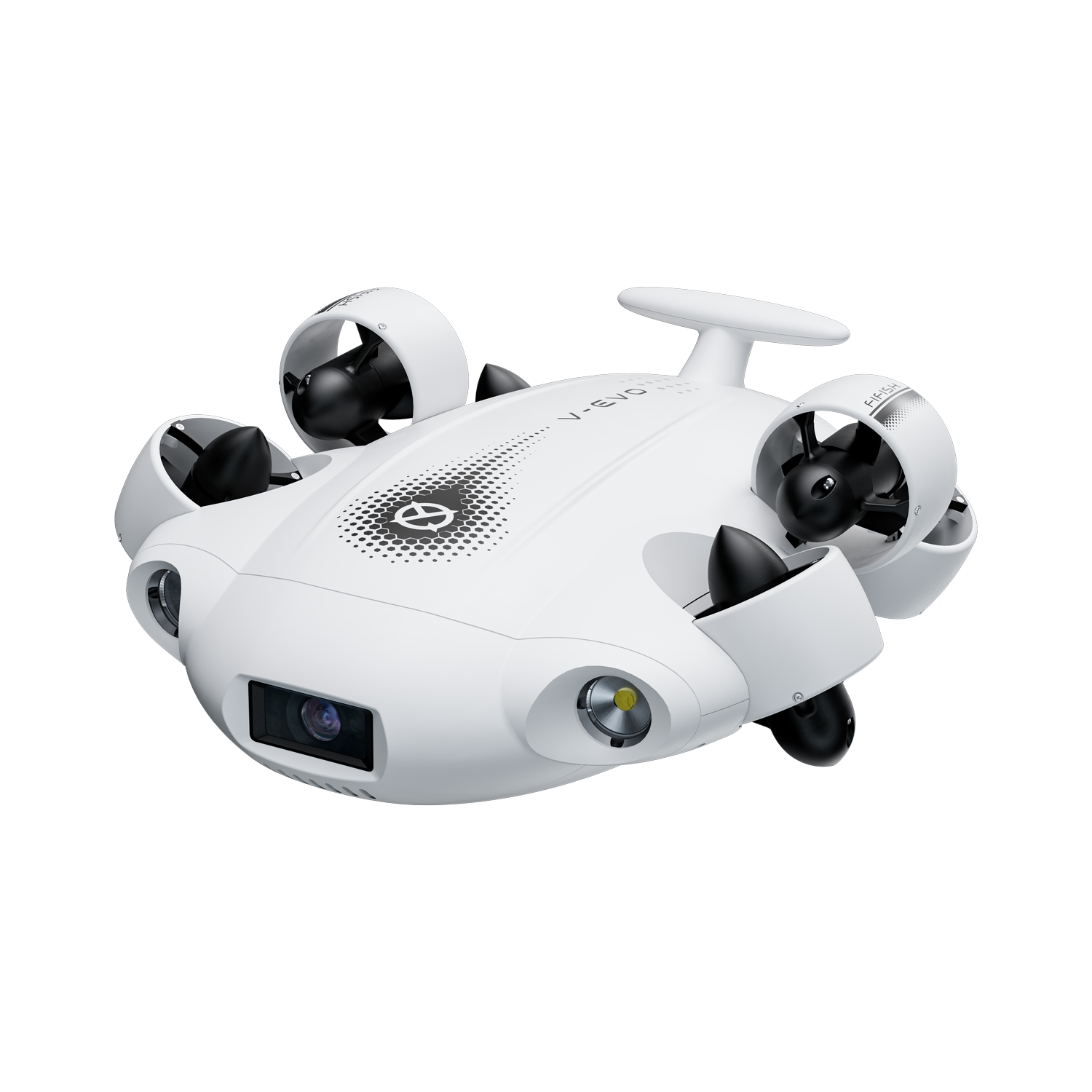
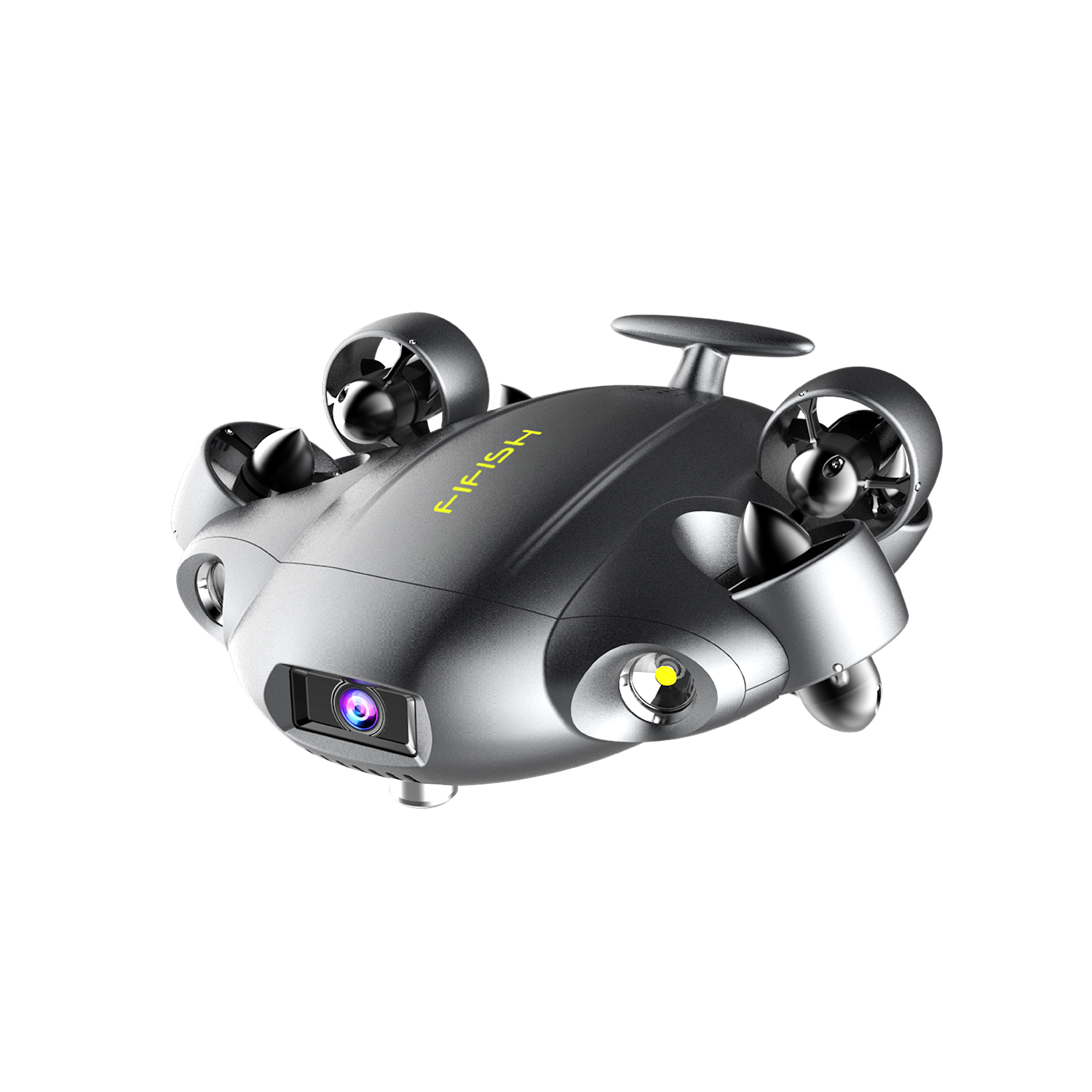
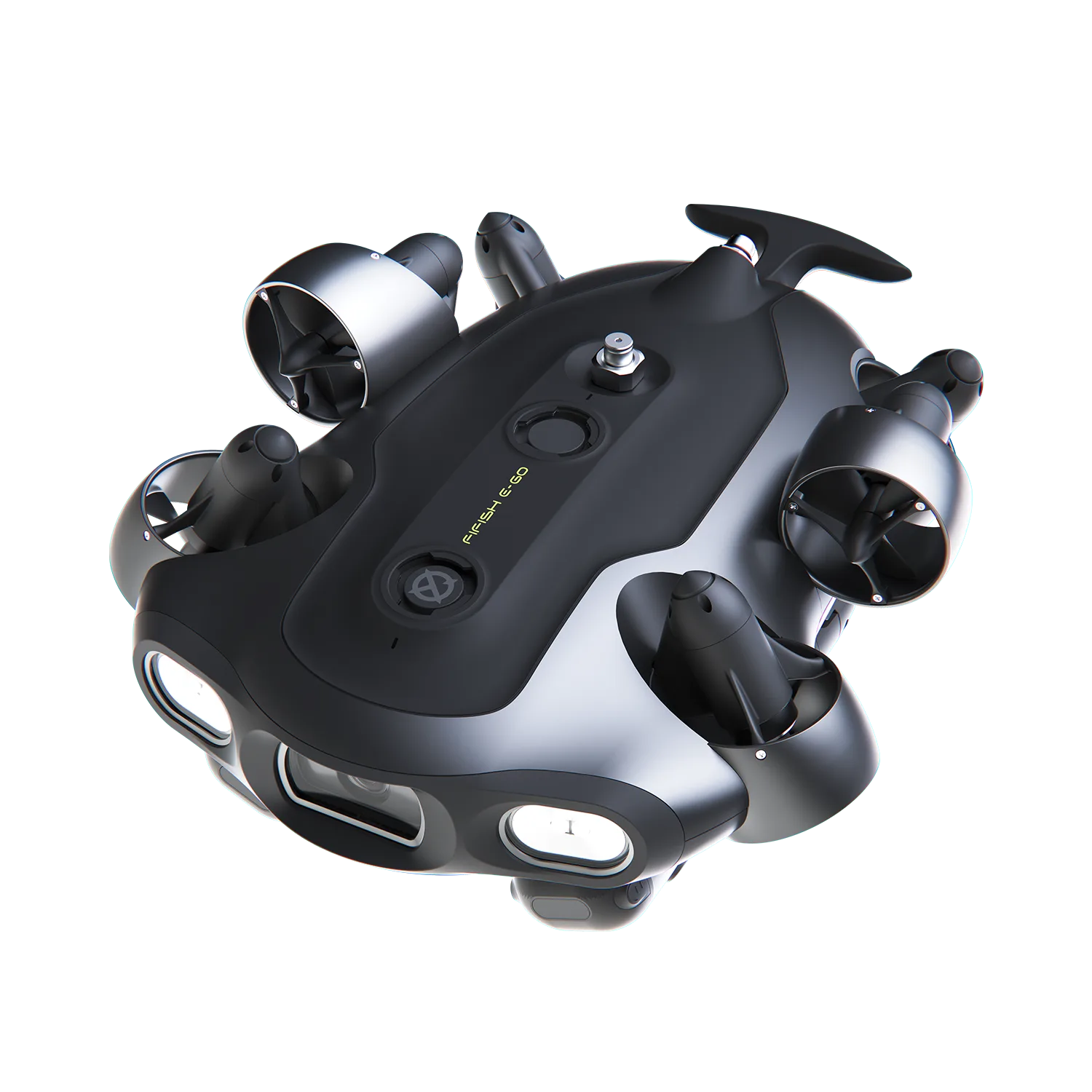
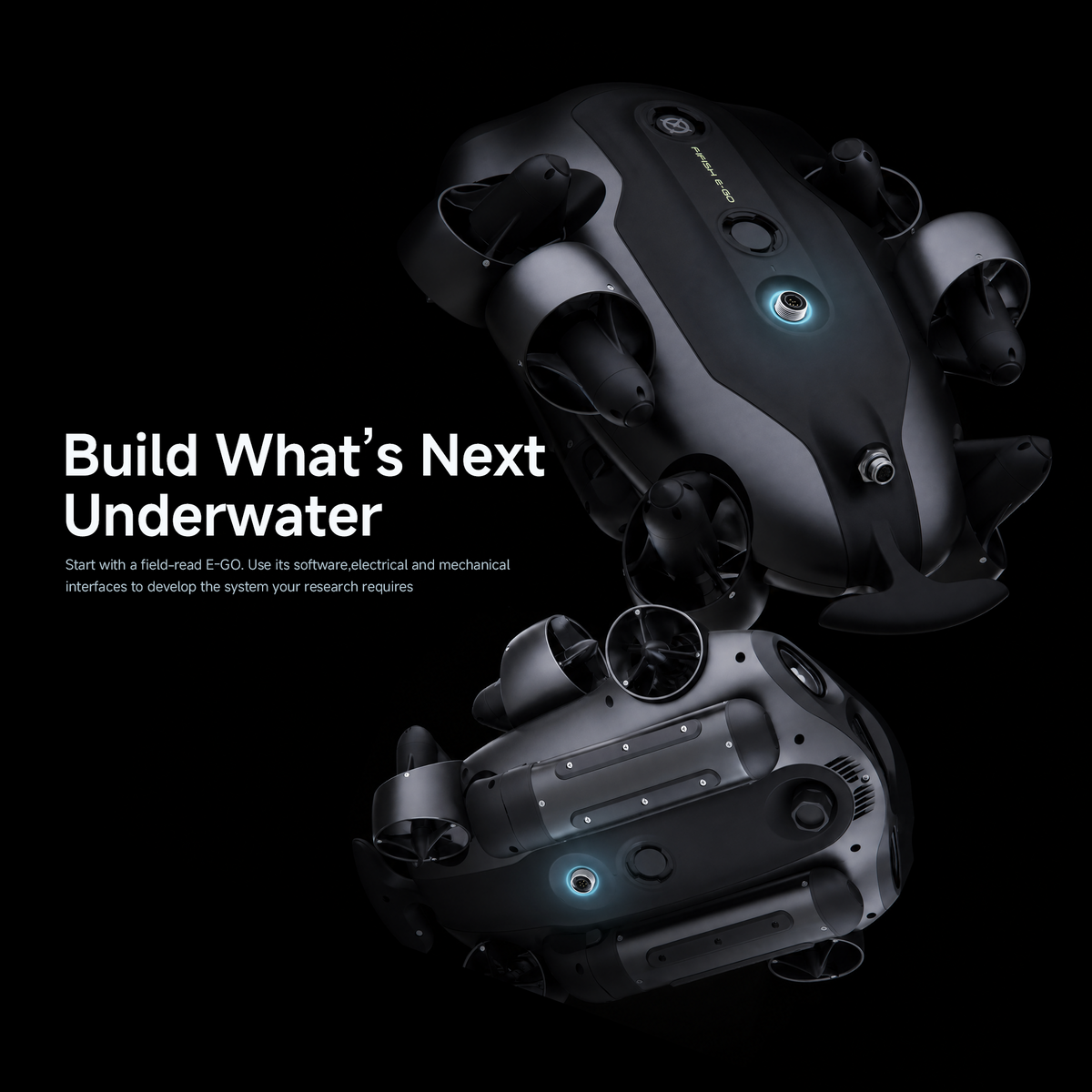
Both a diver and an ROV are accepted for UWILD, provided the team, equipment, method and report format are approved by class and flag before the survey. A diver can touch, clean and take physical measurements. An ROV keeps people out of cold, deep or contaminated water, holds a steady position for the camera, and produces a continuous 4K record the surveyor can review live or afterwards. Many surveys use both: the FIFISH E-GO or FIFISH V6 EXPERT for the broad visual, and a diver for hands-on tasks.

Best Practices for an Effective UWILD Inspection
The difference between a survey that passes and one that gets rejected is preparation. These practices keep it on track:
- Get the procedure approved first
Submit your survey procedure, the positioning method and the report format to class and flag well in advance. An ROV team and process usually need prior acceptance.
- Clean the hull before you inspect
Marine growth hides the steel. Clean the areas to be surveyed so the surveyor sees condition, not fouling.
- Fix accurate positioning
Be able to show exactly where each image was taken on the hull. Reference the ROV or diver position to frames, marks or a positioning system.
- Light it and shoot in 4K
Use high-output lighting and capture in 4K, so cracks, pitting and coating breakdown are visible on review.
- Measure where required
Use the Underwater Laser Scaler or gauging to size defects and take the clearances the rules call for, rather than estimating from video. Add the Q-Camera External 4K for a second angle on fine detail.
Document to the surveyor's format
Deliver video, stills and measurements in the structure the surveyor and class will accept, with locations and timestamps throughout.

How a FIFISH ROV Supports UWILD
A FIFISH ROV is built for the steady, well-lit, measured capture a UWILD survey needs. Q-Steady stabilisation and Posture Lock hold a clean frame against current at the hull, and high-output lighting restores detail in harbour water. With laser measurement and a 4K record that exports in a reviewable format, it gives the surveyor evidence rather than impressions. UWILD is one of the clearest commercial real-world underwater drone applications for an inspection-class ROV.
Frequently Asked Questions
What does UWILD stand for?
UWILD stands for underwater inspection in lieu of drydocking, an in-water hull survey accepted as an alternative to a dry-dock examination for eligible vessels.
What is the difference between UWILD and drydocking?
A dry-dock survey lifts the vessel out of the water; a UWILD survey inspects the hull in the water. UWILD saves cost and downtime but only inspects, while a dry dock also allows repair.
How often is a UWILD inspection required?
Classes and flag states generally work to a five-year hull cycle, with eligible vessels alternating a UWILD and a dry-dock survey. Confirm the exact interval with your class society.
Which vessels are eligible for UWILD?
Typically younger vessels, often under 15 years, with a steel or aluminium hull and an effective hull protection system, subject to approval by class and flag. Older or enhanced-survey vessels may be restricted.
Can an ROV be used for a UWILD inspection?
Yes, when the ROV team, equipment, method and report format are approved by class and flag in advance. An ROV keeps divers out of hazardous water and produces a continuous 4K record.
Who can carry out a UWILD inspection?
An approved diving or ROV team, with the survey witnessed or accepted by a classification society surveyor. The owner arranges the survey and submits the procedure for approval.
Conclusion and Next Steps
An effective UWILD inspection comes down to eligibility confirmed with class and flag, a clean hull, accurate positioning, proper lighting and measurement, and a report in the format the surveyor expects. Get those right and the in-water survey passes without a return trip to the dock. To match a FIFISH ROV to your fleet, compare the FIFISH models, or let help me choose point you to the right one.


Leave a comment
This site is protected by hCaptcha and the hCaptcha Privacy Policy and Terms of Service apply.